



Aroma, Taste & Finish
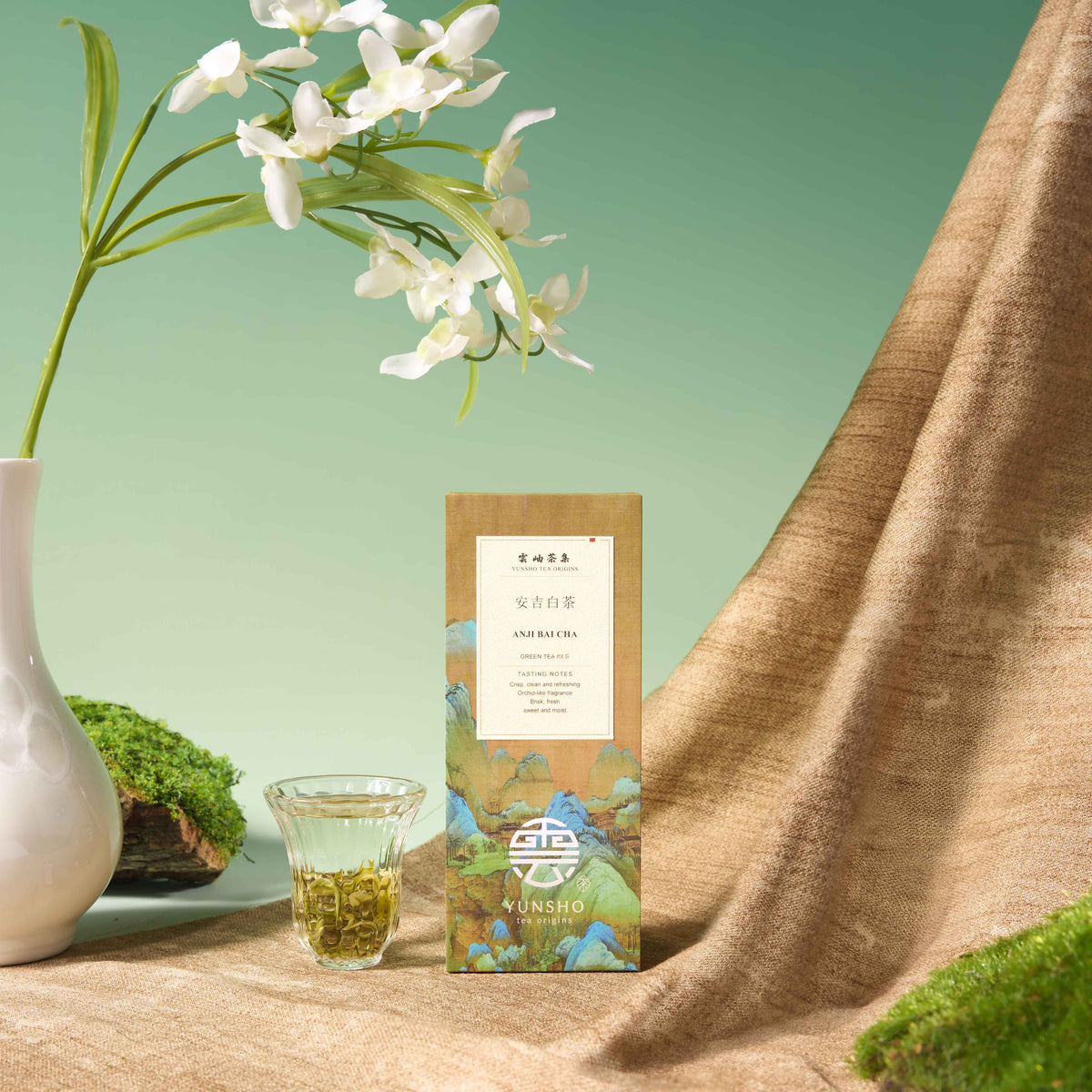
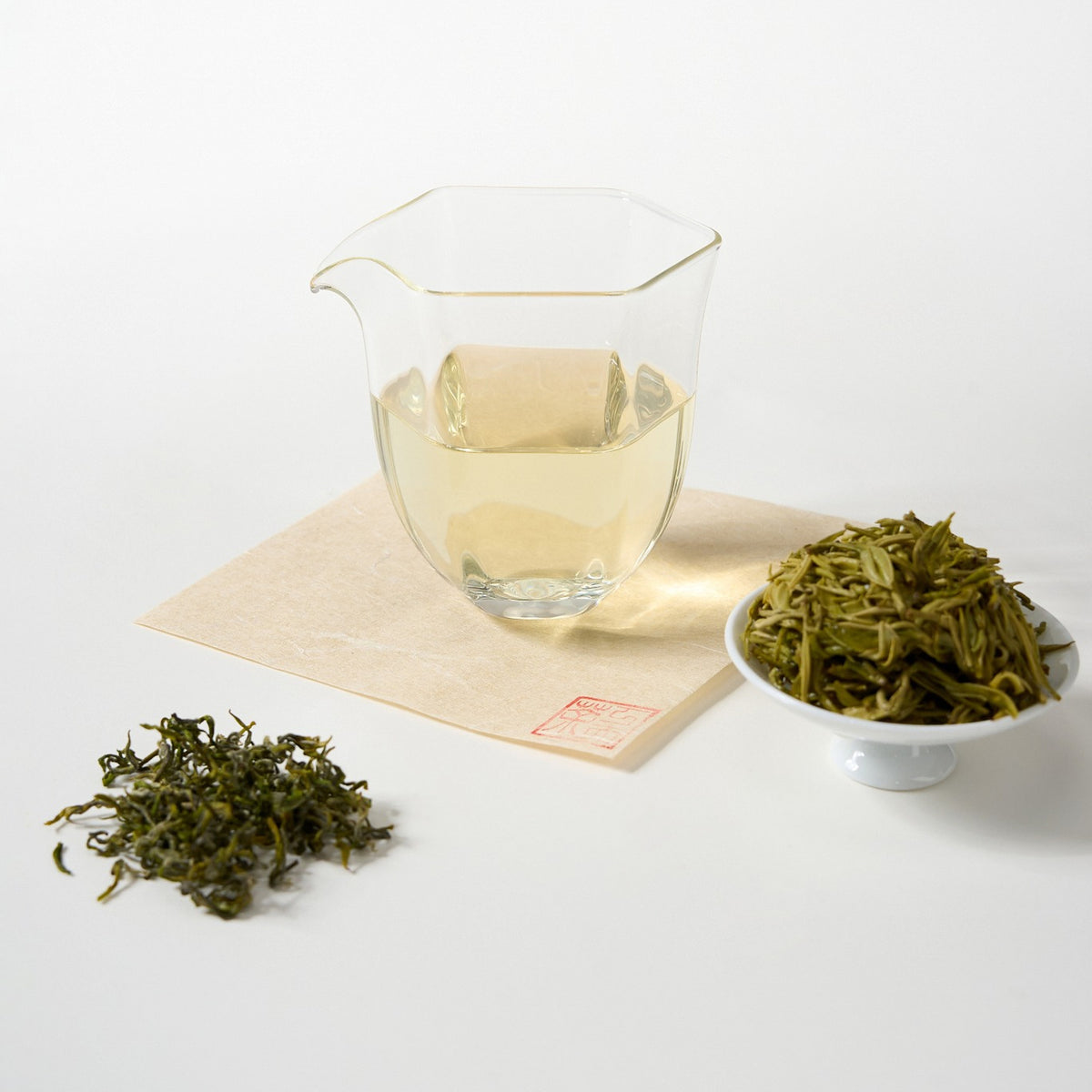
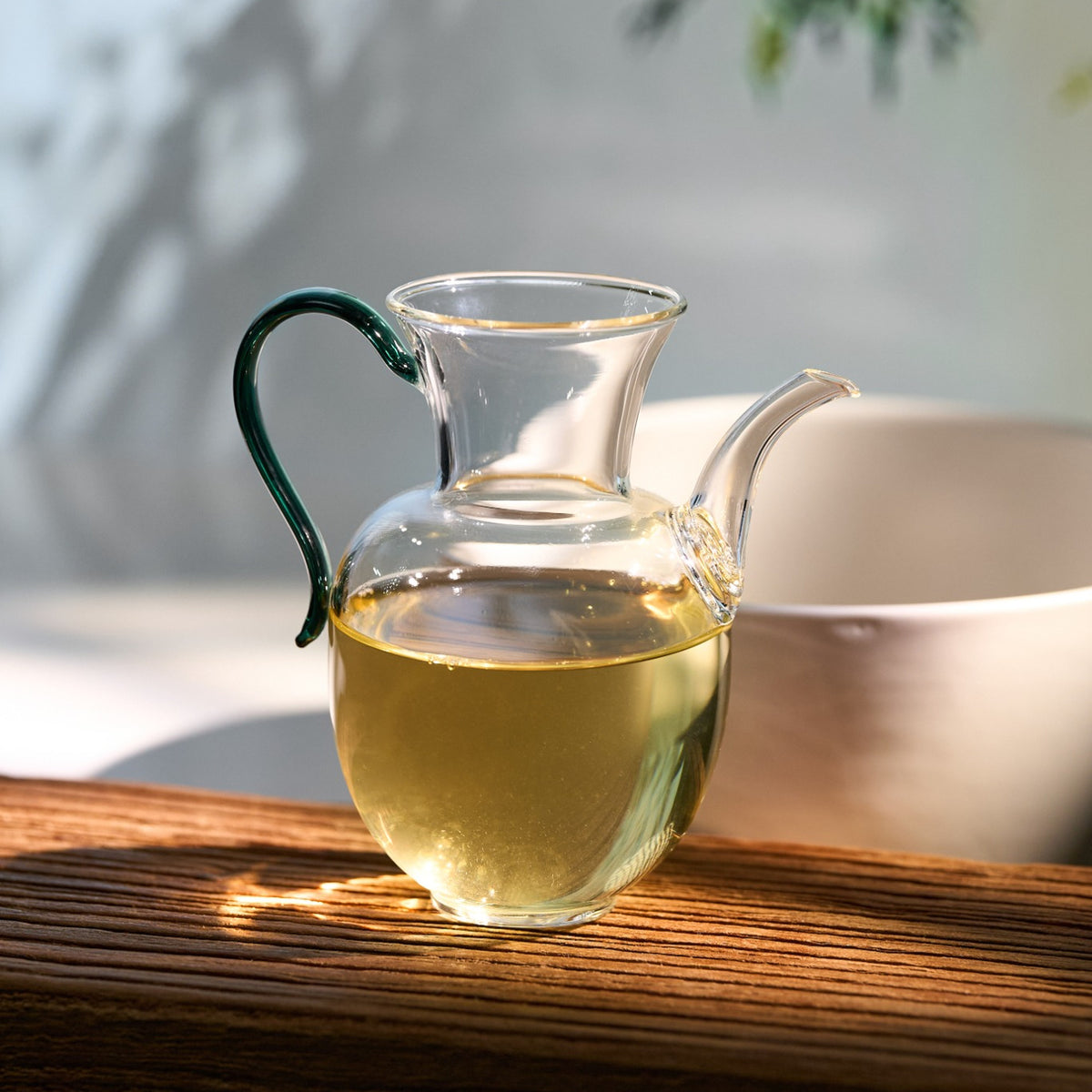
Light orchid fragrance and tender green notes open into a soft, fresh cup. An umami taste balances the sweetness, leaving a clean finish that stays with you.
Naturally in the Leaf

Rooted in Place
A Local Tea Tradition
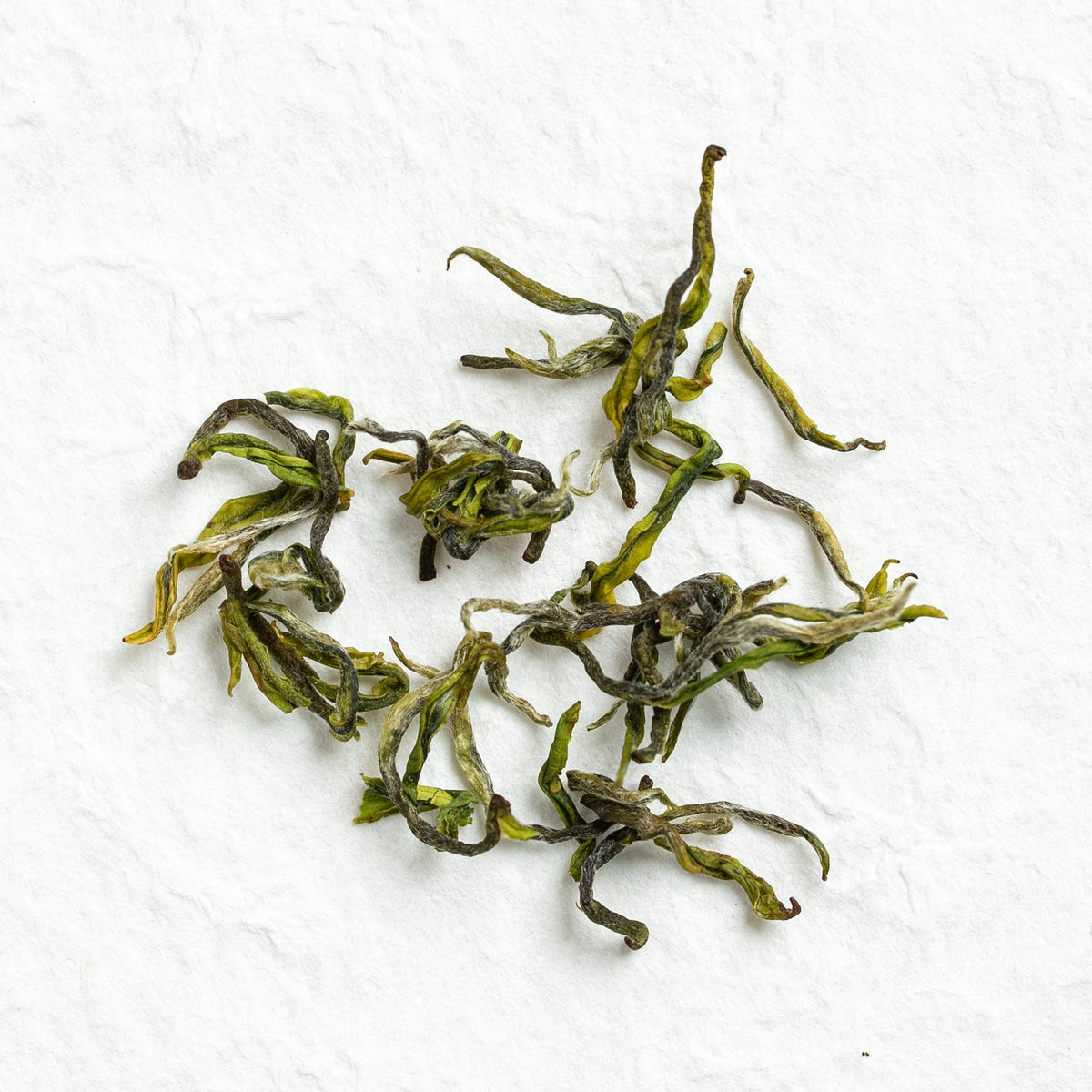
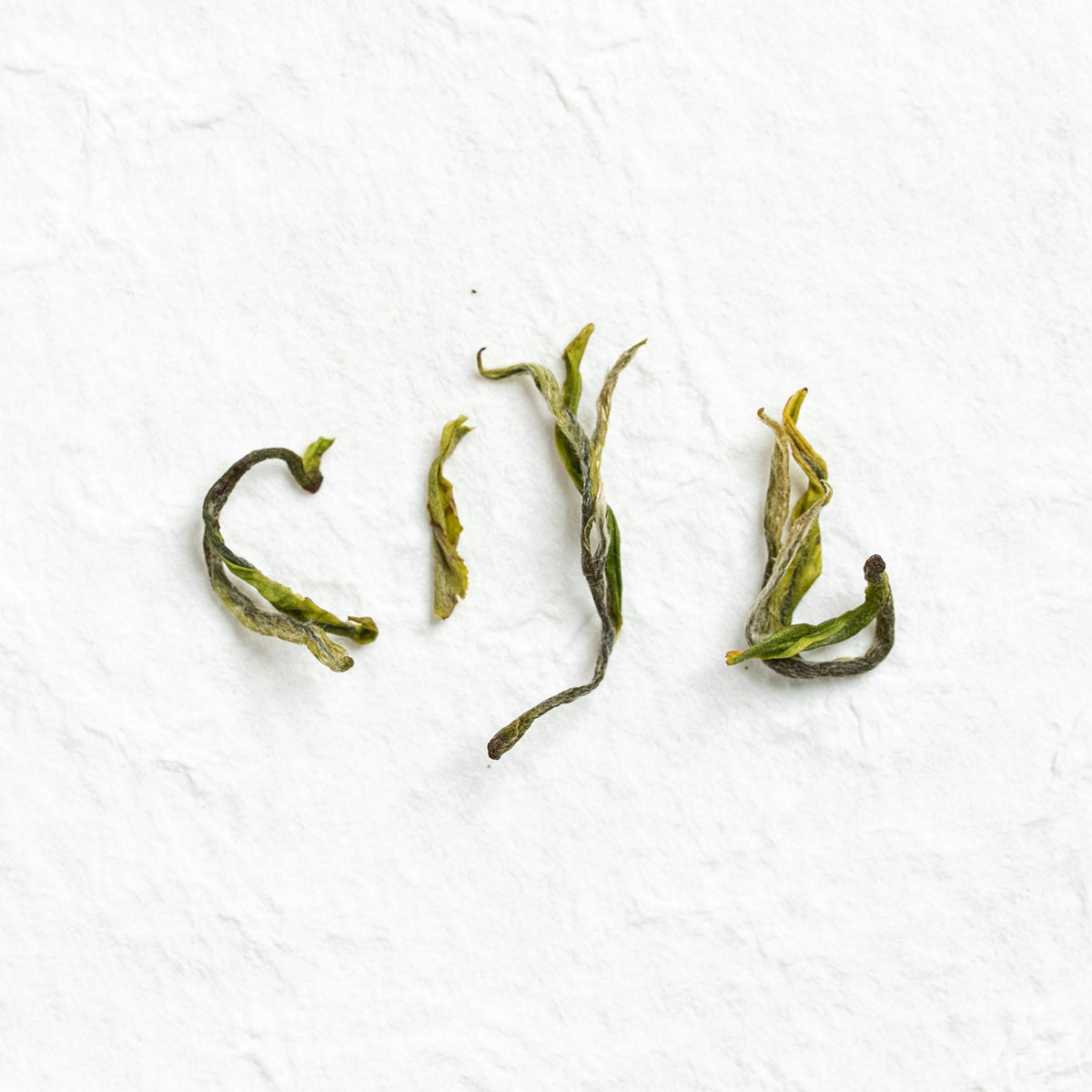
Anji Bai Cha began with a rare white-leaf tea tree found in the county’s mountains. Local growers and researchers propagated it into a tea closely identified with Anji. Its pale spring leaves give it its name, while the finished tea is crafted as a green tea.
Growing Environment
Anji lies at the northern foot of the Tianmu Mountains, with wooded and bamboo-covered slopes, generous rain and a clear spring season. Cool spring conditions bring out the cultivar’s pale young leaves; their naturally high amino acid levels help give Anji Bai Cha its especially fresh, soft character.
Cultivar & Harvest
2026 Pre-Qingming
Picked before Qingming in early spring, when the young growth is still tender. The early harvest supports a fresh, delicate cup.


Craft That Shapes the Cup
Gentle leaf handling and carefully managed heat preserve Anji Bai Cha’s fresh fragrance, tender texture, and savory sweetness.

Withering

Heat Fixing

Shaping

Cooling & Drying


Store sealed in a cool, dry, odor-free place away from heat, humidity, and direct sunlight.
Brewing Guide
Brew each pouch 3 times, using 150 ml of water for each infusion.
Add the tea
Use 1 pouch in a gaiwan or small teapot.
Add the water
Pour in 150 ml at 185°F / 85°C.
Steep & pour
Steep for about 10 seconds, then pour out completely.
Increase each later steep by 5–10 seconds, adjusting to taste.
- Teaware
- Gaiwan or small teapot
- Tea & water
- 1 pouch · 150 ml
- Water temperature
- 185°F / 85°C
- First steep
- About 10 sec
- Infusions
- 3
Increase each later steep by 5–10 seconds, adjusting to taste.

Watch the brewing method
Green Tea
Brewing Guide
Gongfu-style preparation

Use a gaiwan or small teapot that holds 150 ml.

Warm the empty vessel with hot water.

Add one pouch and swirl gently to enjoy the aroma.

Moisten the leaves evenly with water at 185°F / 85°C.

Fill with 150 ml of water at 185°F / 85°C.

Cover and steep for about 10 seconds.

Pour out completely between steeps.

Enjoy the tea’s aroma and taste.

Brew 3 infusions in total, adding 5–10 seconds to later steeps.
Common Questions
What is included in each pack?
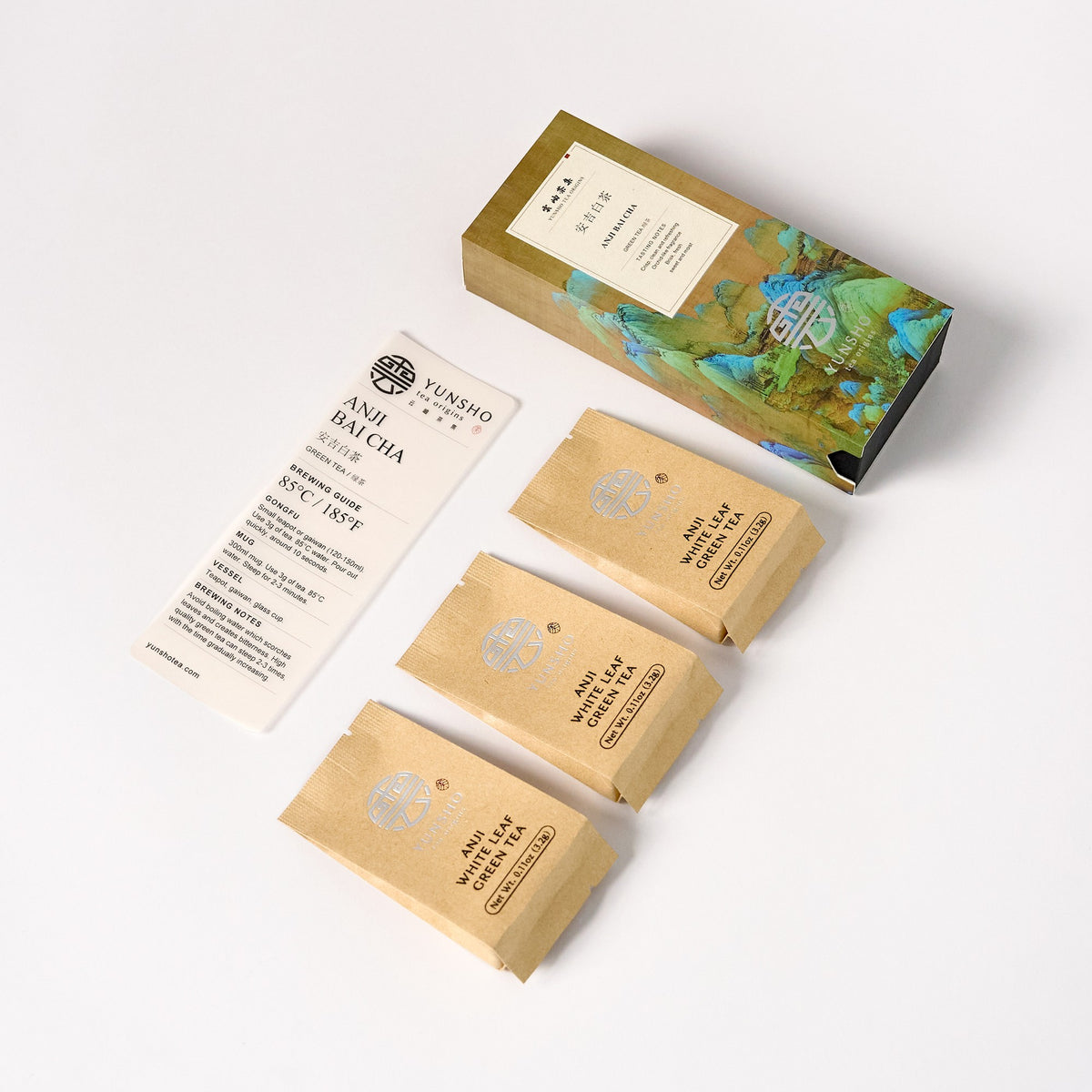
Tasting Pack: 9.6 g · 3 pouches × 3.2 g
Classic Box: 51.2 g · 16 pouches × 3.2 g
Why is Anji Bai Cha a green tea?
Bai Cha refers to the pale appearance of the young spring leaves. The leaves are heated to stop oxidation and made as green tea.
What does Anji Bai Cha taste like?
Expect orchid fragrance, fresh green notes, a soft savory character, and a sweet finish.
How many times can I brew one pouch?
Enjoy 3 infusions from one pouch, using 150 ml of water each time. Start at 185°F / 85°C for about 10 seconds, then add 5–10 seconds to later steeps to taste.
How should I store it?
Keep the tea sealed in a cool, dry place, away from heat, humidity, sunlight, and strong odors.
Nice with a simple lunch. The fresh, savory taste works well alongside rice and vegetables.
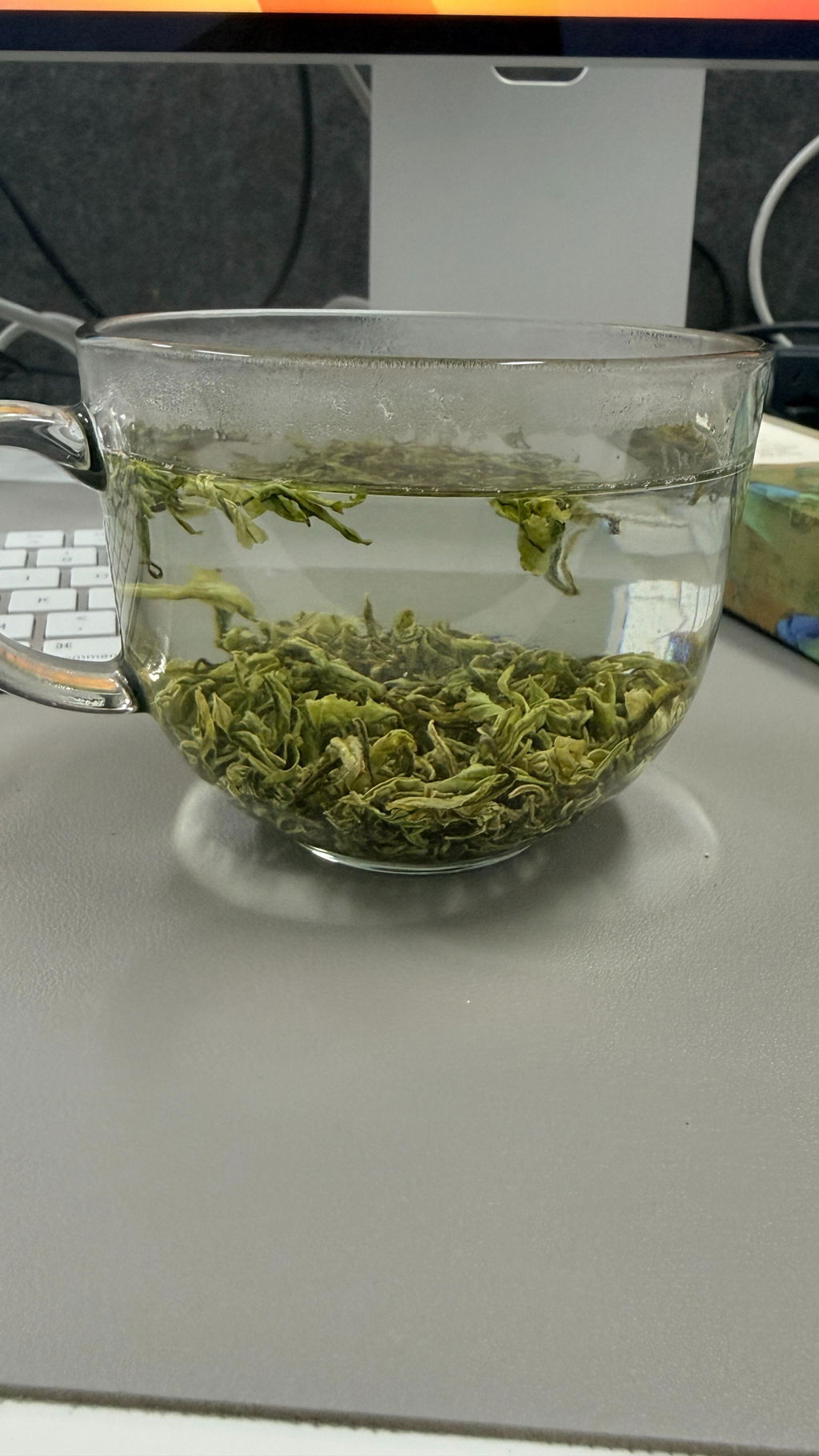
Fresh greens at first, then a soft sweetness. Nothing sharp about the way I brewed it.
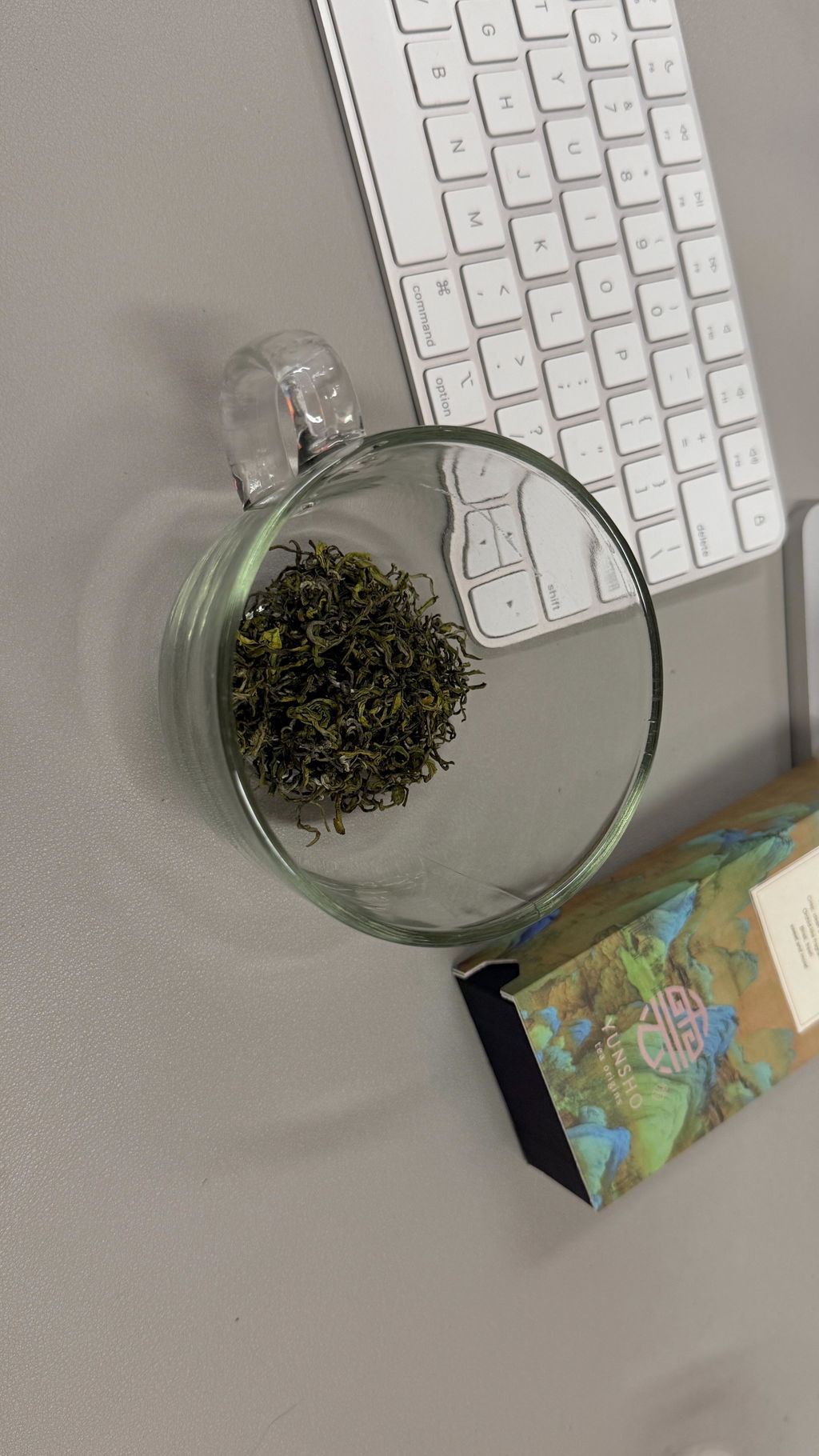
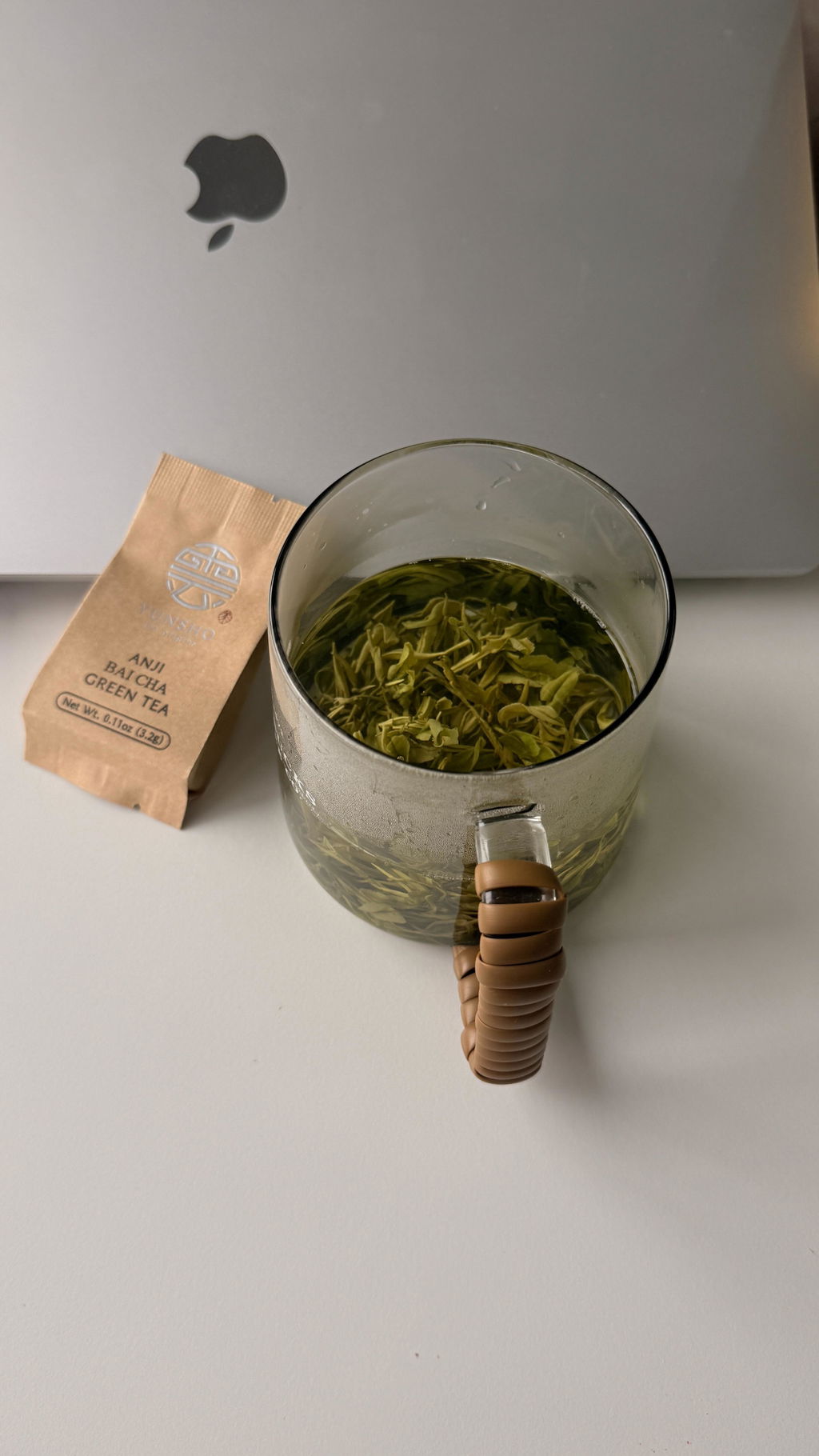
This tea is still really tasty. I’ve had Chinese white tea many times, and whenever I drink it, it always feels comforting. The quality is really good, and I’ll keep trying other kinds too.
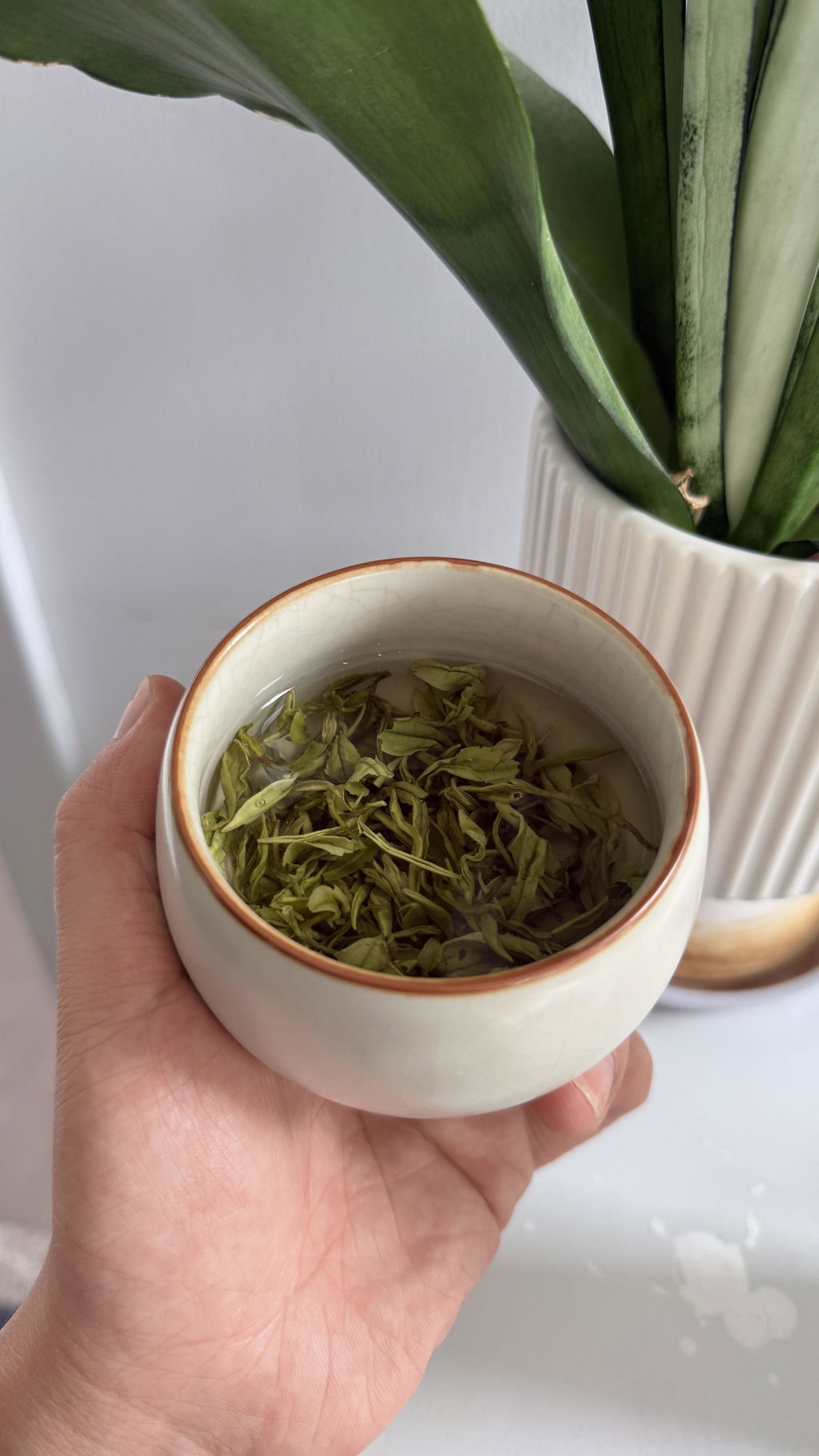
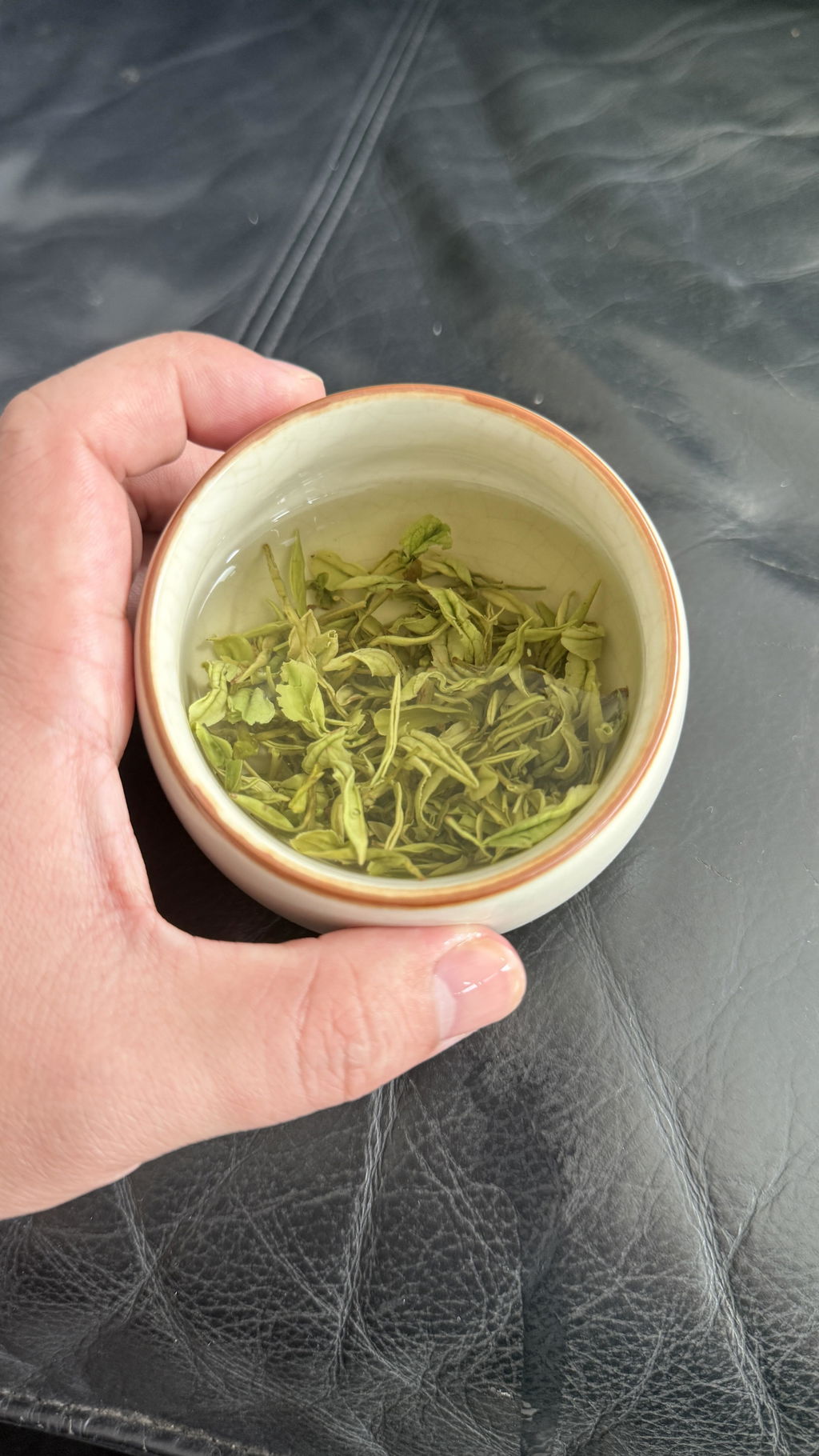
really fresh and refreshing The leaves are tender, and the tea brews into pale green-yellow color. It reminds me a little of Japanese green tea, but with a lighter, cleaner fragrance. It’s the kind of tea that just feels natural and healthy to drink.
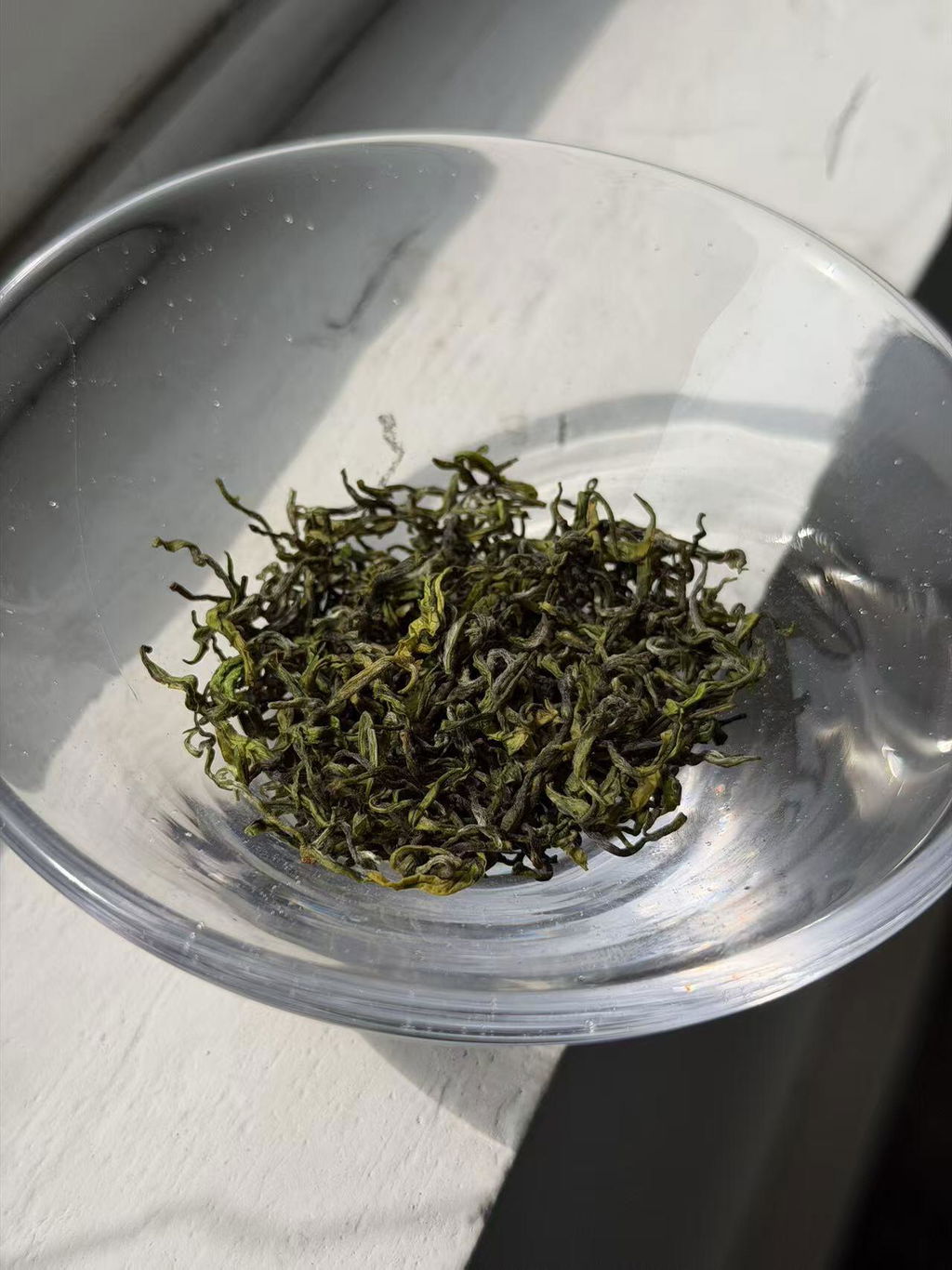
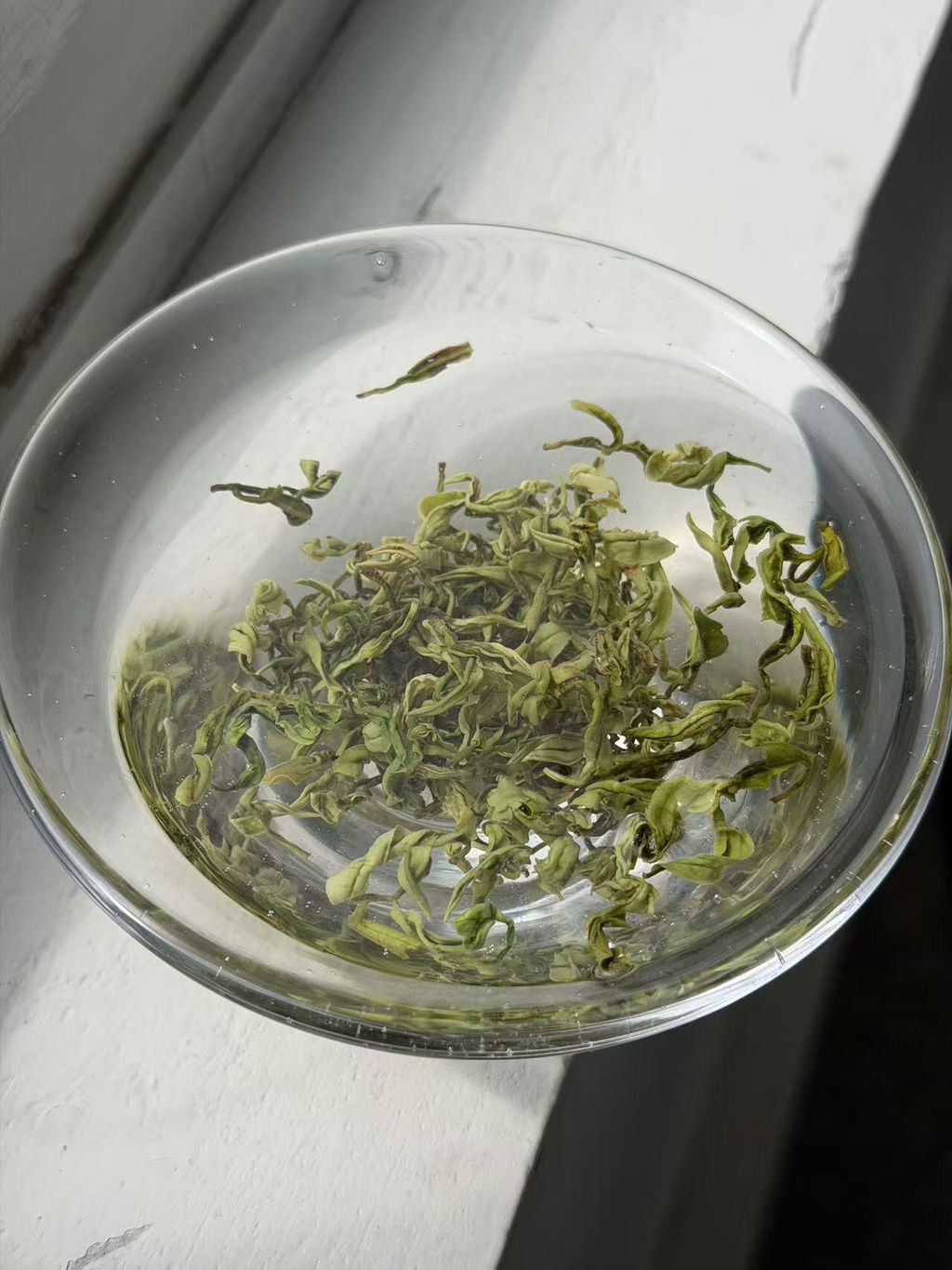
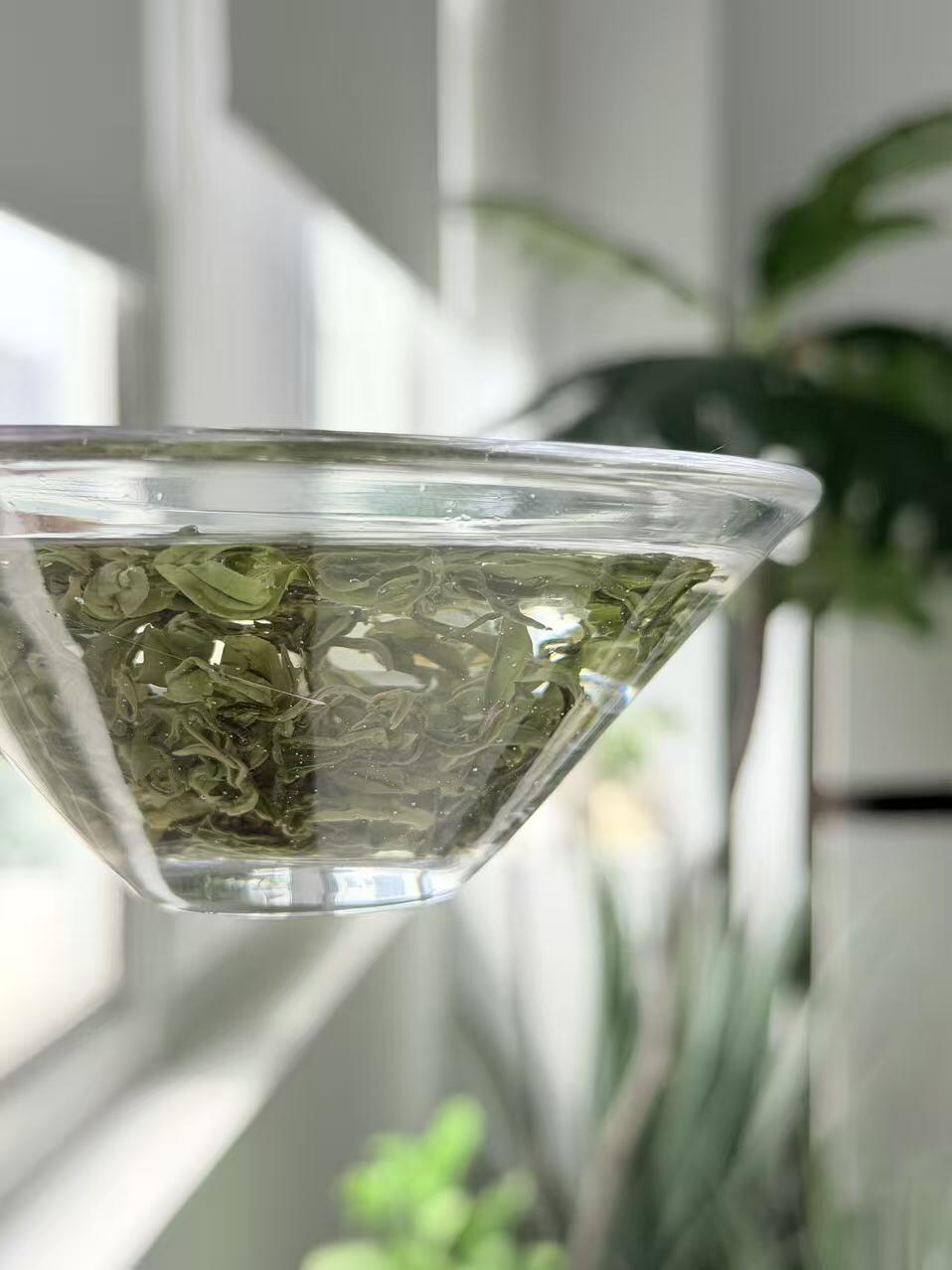
That savory note is the reason I'd pick this again. It has more going on than the pale color would suggest.
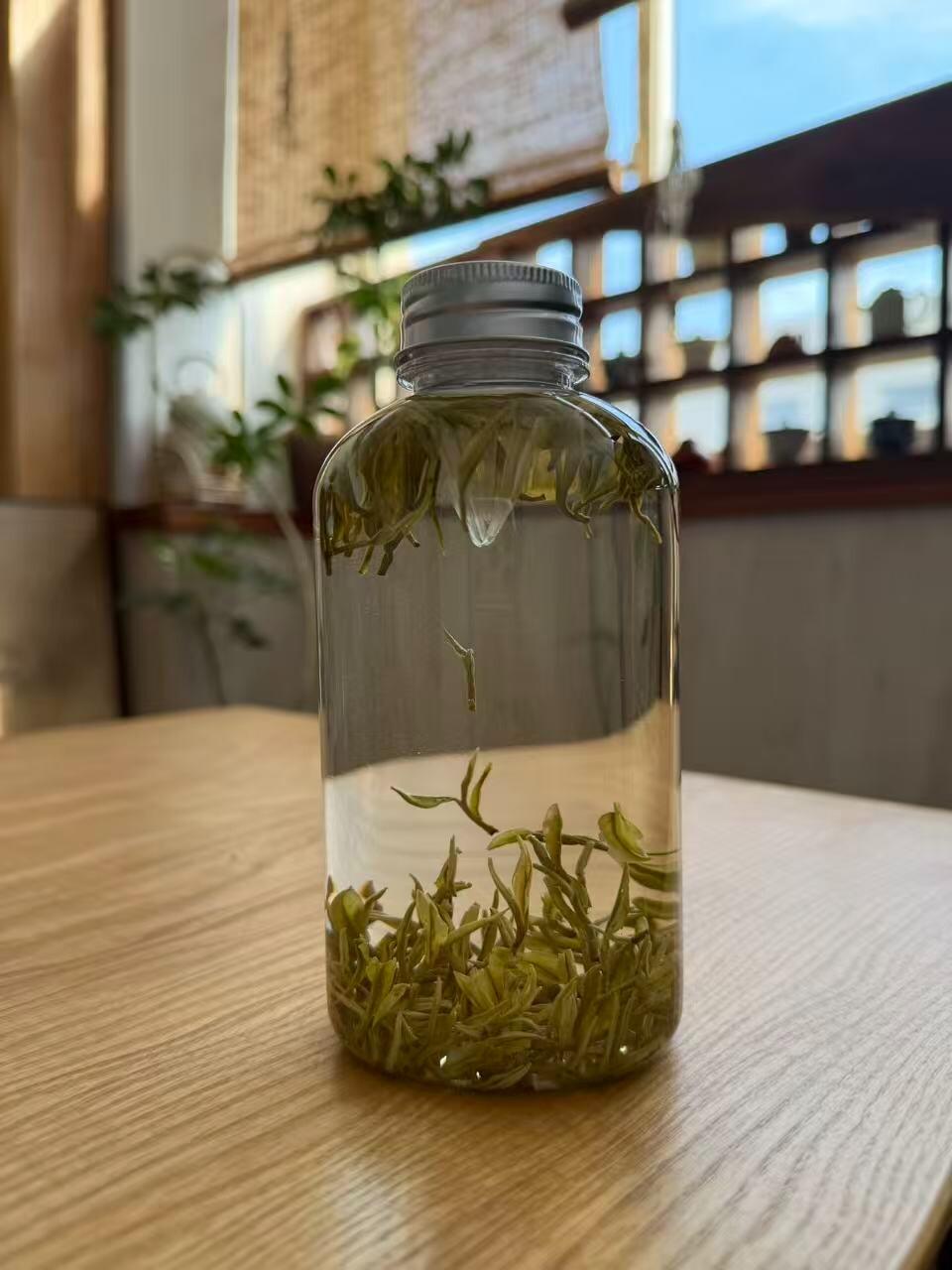
The leaves look so delicate once they open. I kept holding the glass up to get a better look.
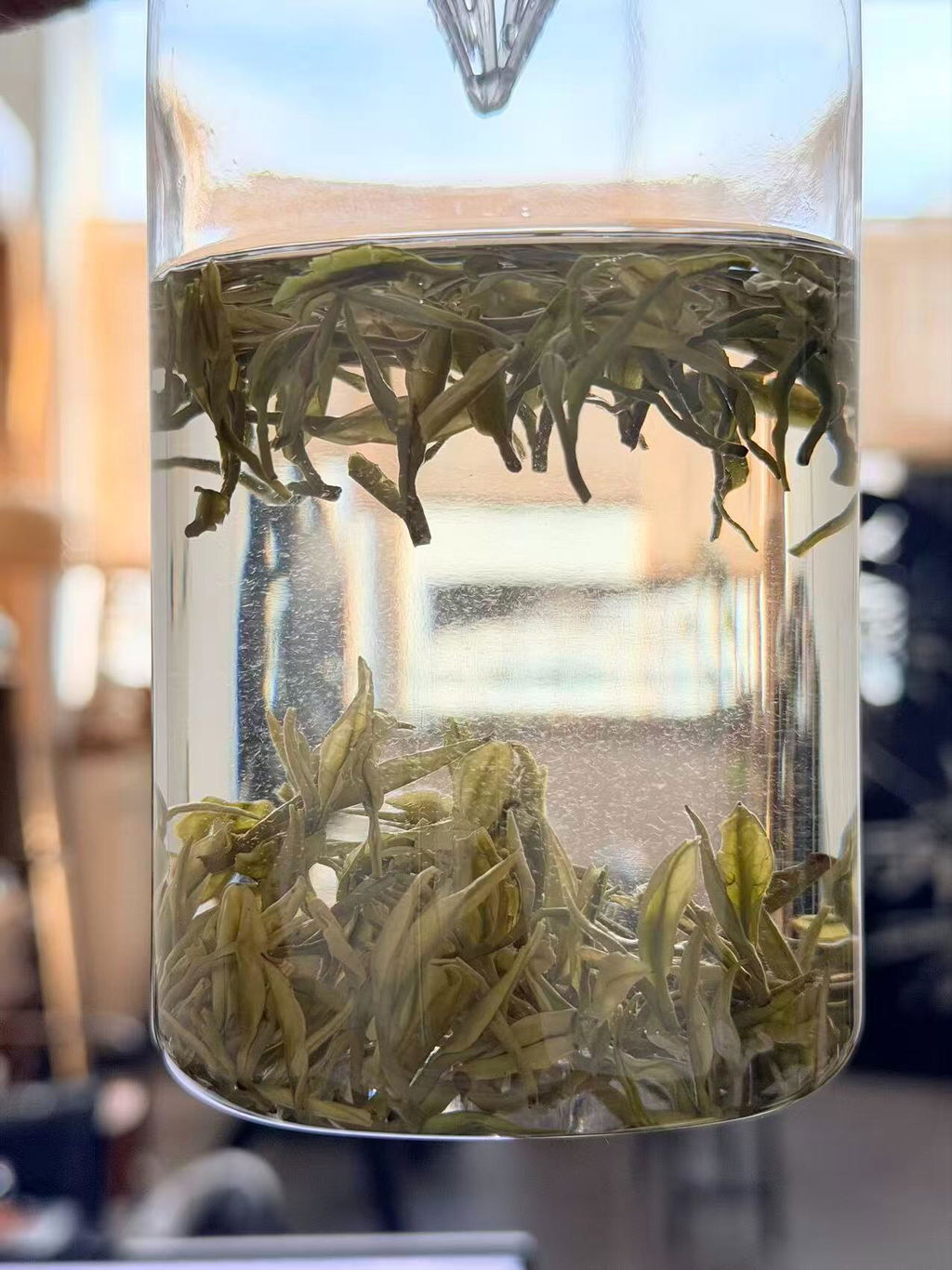
No scale, no guessing. One packet in my little pot and I'm good to go.
Super soft, really fresh. I'd give this to my friend who says all green tea tastes bitter.
Seeing Anji named on the tea gave me something specific to look up. I like learning where a tea fits while I'm actually drinking it.

Explore the Tea Guide
Discover why its pale spring leaves become green tea, how the leaves are crafted, and what to look for as they open in your cup.
Explore the Tea Guide