

Our story
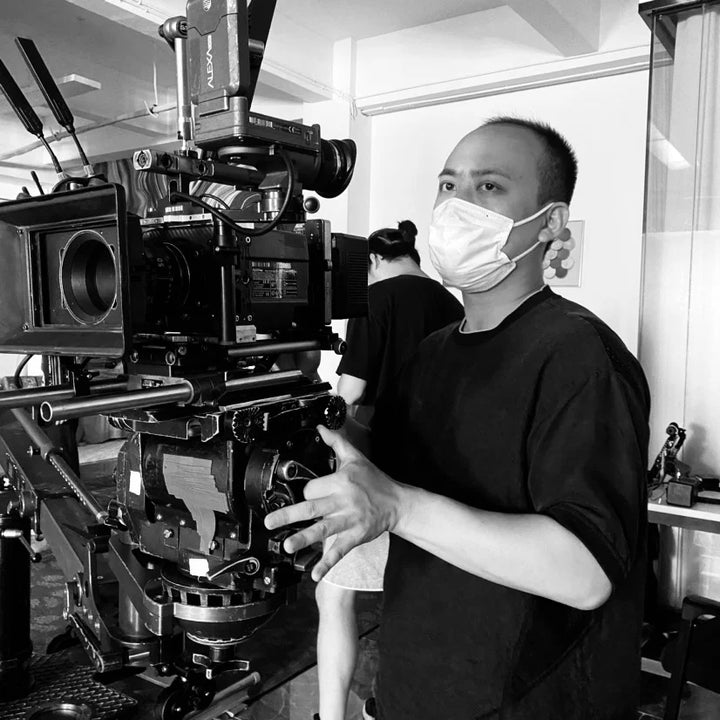
Siyang
Founder of Yunsho Tea
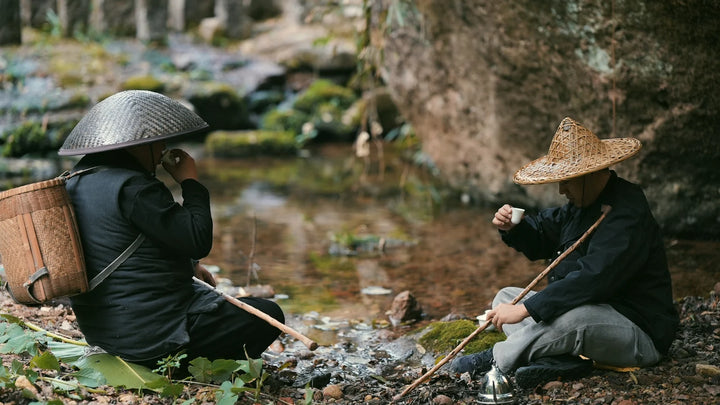
Tea is tea. Water is water.
I’ve been drinking tea for most of my life. Learning to truly appreciate it took a little longer.

01 · Where it began
My first memory of tea
My first memory of tea goes back to when I was five years old.
My father always carried a large cup filled with jasmine tea. I remember its wonderful fragrance, but when I took a sip, all I could taste was bitterness and astringency. For a child, it was hardly enjoyable.
When I was twelve, I began experimenting with the tea leaves we had at home. I discovered that changing the water temperature or steeping time could completely transform the flavor. For the first time, tea actually tasted good to me.
As I grew older, tea became part of my everyday routine. Like coffee or any other beverage, it was simply something I drank throughout the day.
To me, tea was just water with flavor.
02 · A change of perspective
A conversation that stayed with me
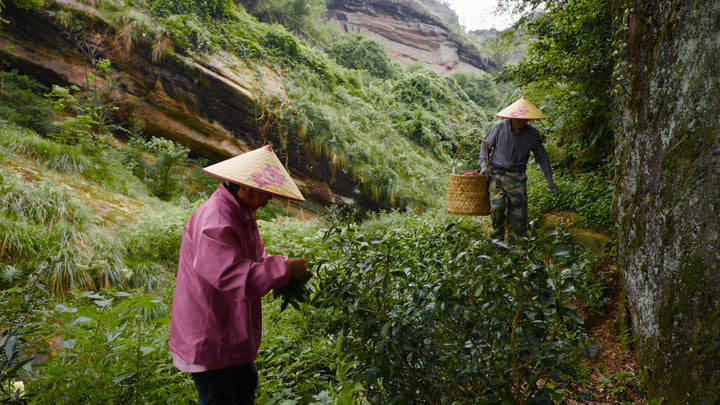
On a visit, I met a tea maker in Wuyi Mountain, one of China's renowned tea-producing regions.
While we were drinking tea together, I jokingly told him that I treated tea the same way I treated water.
He smiled and replied:
“You should drink tea as tea,
and water as water.”

It sounded almost too simple. But his words stayed with me.
I had been drinking tea for most of my life, yet I had rarely stopped to appreciate it. I had never paid much attention to where it came from, who made it, or how much a single tea could change from one infusion to the next.
That conversation made me reconsider something I thought I already understood.
03 · A shared experience
Two fathers, a familiar story
Some time later, I welcomed a German friend to Hangzhou and took her to experience Chinese tea.
We sat in a quiet courtyard on a hilltop, beneath a fragrant osmanthus tree, drinking West Lake Longjing green tea with carefully prepared tea snacks.
After a few cups, she looked at me and said:
"I feel like all the tea I've ever drunk before doesn't count."
She told me about her father, who loved tea. Every morning, he would throw a handful of inexpensive tea leaves into a kettle, boil them, and pour the tea into a large thermos to drink throughout the day.
She remembered tasting it as a child. Just like my father's jasmine tea, it was intensely bitter and astringent.
Listening to her, I realized that our fathers, despite living in different countries, had almost identical relationships with tea.
Tea was practical. It provided warmth, caffeine, and flavor. It was something to drink while working or going about daily life.
And there was nothing wrong with that.
But the tea we were sharing beneath the osmanthus tree was something entirely different.
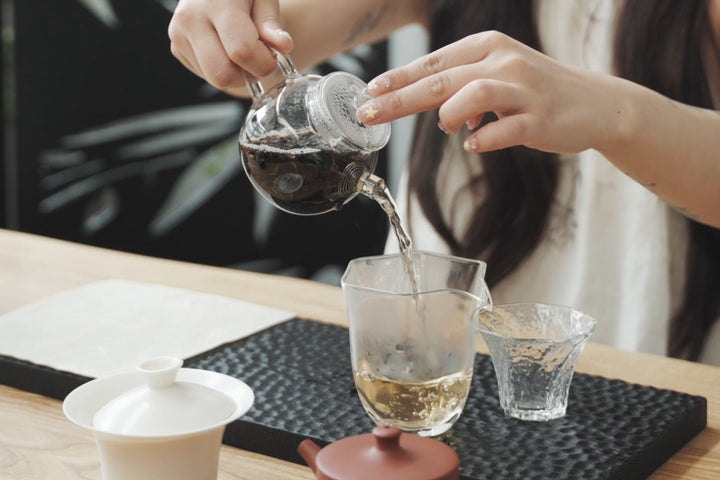
We were noticing its delicate fragrance, gentle sweetness, and the subtle changes between infusions. We were enjoying the quiet surroundings, the tea, and our conversation.
Suddenly, I remembered the words of the Wuyi tea maker.
Drink tea as tea, and water as water.
This time, I understood.

04 · Time to notice
Discovering what tea could be
We live surrounded by convenient drinks, intense flavors, and endless distractions. Our phones constantly demand attention, and meaningful conversations often happen between notifications.
I began to see tea as an opportunity to experience something different.
I started choosing my tea more carefully, exploring different growing regions, and comparing the work of individual tea makers.
I spent more time at my tea table and less time looking at my phone.
I also began inviting friends to share tea with me.
What surprised me was how many of my Chinese friends had never experienced tea this way. Even though tea is deeply rooted in our culture, many were amazed to discover how different two Chinese teas could taste.
One might be intensely floral, another fruity and sweet, while another offered deep roasted aromas and a rich, lingering finish.
Their curiosity reminded me of my own.
And I began to wonder how many more people might enjoy discovering this side of Chinese tea.

05 · People, places & craft
Following tea back to its origins
That curiosity took me across China's major tea-producing regions, where I met small-scale growers, independent tea makers, traditional craftspeople, and artists.
I learned how geography, tea cultivars, processing techniques, and individual craftsmanship shape the character of each tea.
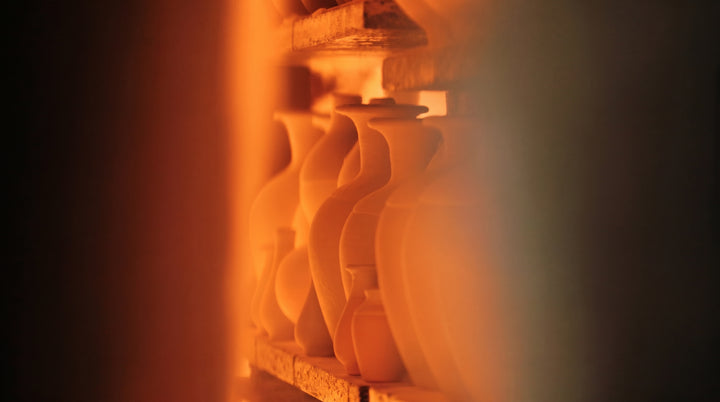
As a photographer and an advocate for traditional Chinese craftsmanship, I was equally drawn to the objects used to prepare it.
A porcelain gaiwan from Jingdezhen, a hand-thrown clay teapot from Chaozhou, or a Yixing teapot carries its own story of materials, design, and regional traditions.
I came to believe that appreciating Chinese tea also means appreciating the people, skills, and objects behind it.
These experiences eventually became the foundation of Yunsho Tea.

06 · An invitation from Siyang
Why I created Yunsho
I founded Yunsho to share the Chinese teas I genuinely love and the craftsmanship that makes them special.
Every tea in our collection is one I personally choose to drink. Our teaware reflects the same appreciation for traditional techniques, thoughtful design, and everyday function.
But Yunsho is about more than tea and beautiful objects.
It's about discovering remarkable flavors without needing to become an expert. It's about finding ten quiet minutes in a busy day, putting your phone aside, and giving something your full attention.
And sometimes, it's about inviting a friend to sit down, share a few cups, and have a conversation that might otherwise never happen.
Today, I still consider myself a tea enthusiast first. I'm continually learning from tea makers, craftspeople, and fellow tea drinkers.
I hope Yunsho can be a place where we share that curiosity, exchange experiences, and discover something new together.
Thank you for being here. I welcome your questions, ideas, and honest feedback, and I look forward to hearing your tea stories, too.
Founder, Yunsho Tea
The gongfu way, the mindful pause.
Begin your own tea story
Find a tea worth pausing for.
Explore nine teas across five tea types, and discover the styles you enjoy.
Explore the 9 Origins Sampler More about Yunsho