


Chinese White Tea
Discover Chinese white tea from delicate Silver Needle buds to mellow White Peony, with soft floral fragrance, gentle sweetness and a smooth character that unfolds beautifully through repeated infusions.

Craft
White tea is one of the least processed tea styles.
After harvesting, the leaves undergo two main steps: a long, slow withering followed by low-temperature drying. There is no pan-firing and typically no rolling. This minimal handling preserves the natural shape of the buds and leaves.
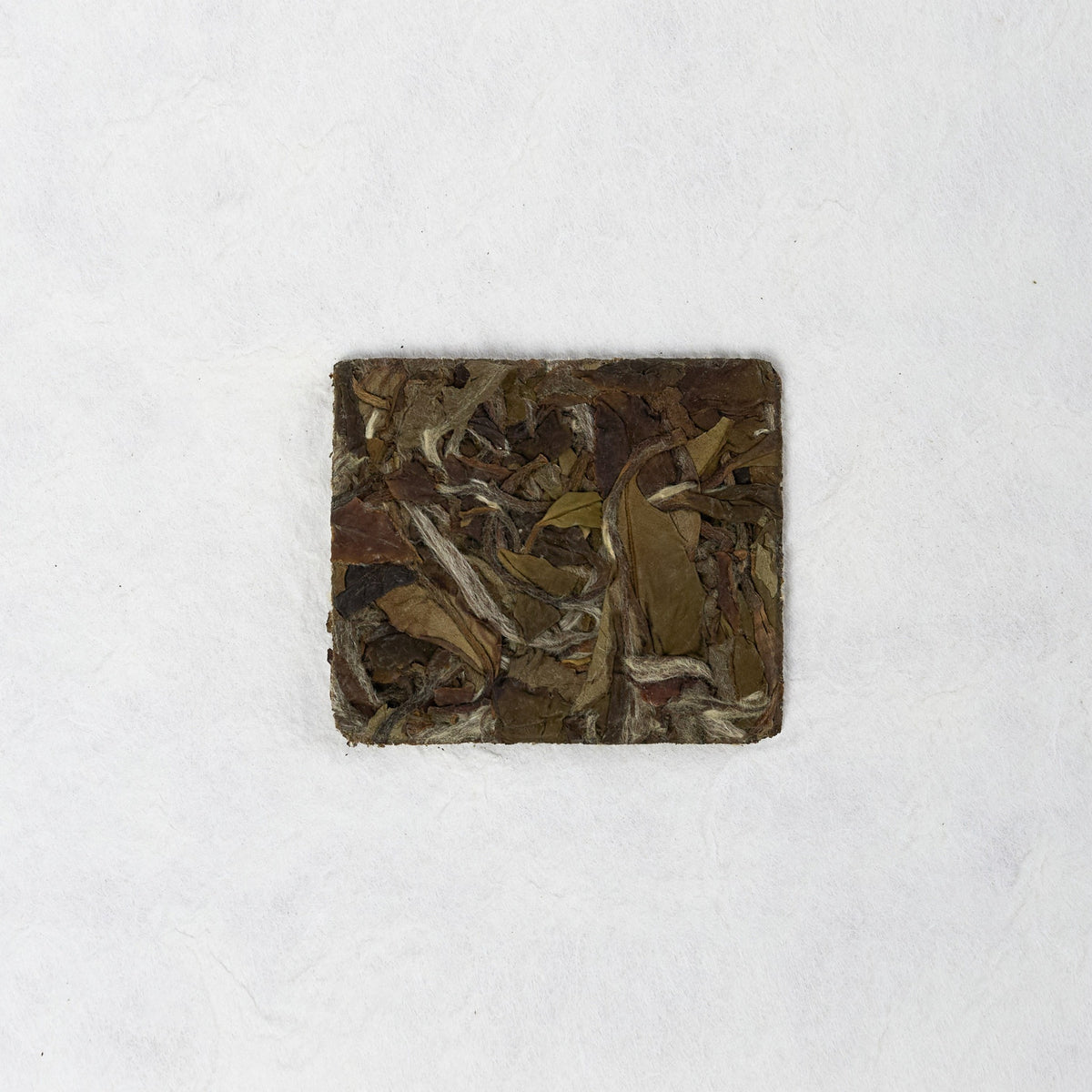
For compressed White Peony, finished loose tea is gently steamed and pressed into cakes. With proper storage, the flavor can gradually deepen and mellow over time.

Harvest
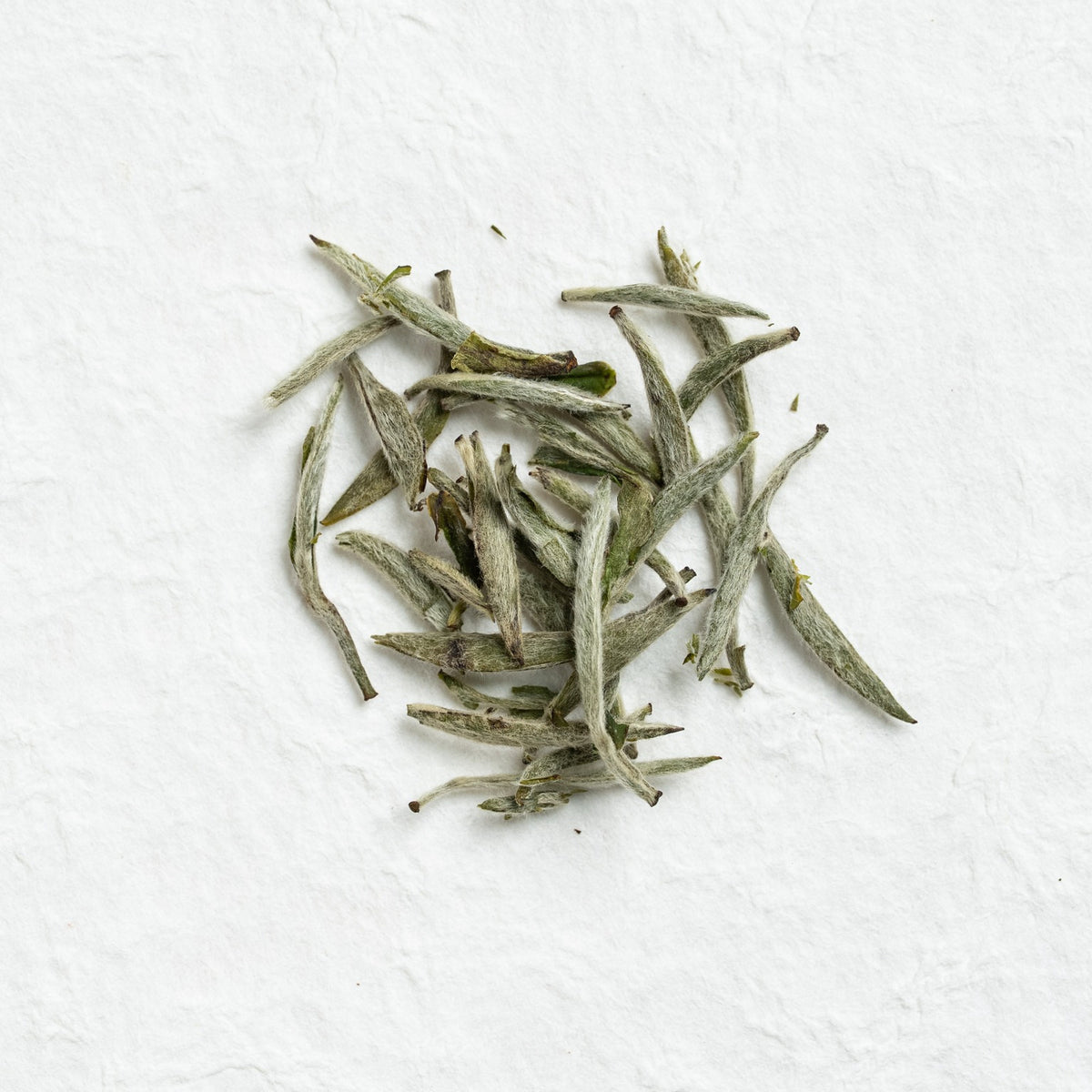
Silver Needle is made from spring buds picked before they open, with no mature leaves attached. The picking window is brief and selection is strict: the buds should be plump and intact.
White Peony is harvested slightly later and typically includes one bud with one or two tender leaves. Our compressed White Peony cakes begin as carefully selected loose white tea and are gently pressed to preserve the leaf structure while making long-term storage convenient.
FAQs
How does white tea change with age?
White tea is made with minimal processing, allowing delicate leaf character to remain at the center of the cup. Fresh white tea can be light, floral, and softly sweet. With proper storage, aged white tea may develop deeper honeyed, dried-fruit, herbal, and woody notes, with a rounder texture and darker infusion.
Can I add milk, sugar, or brew white tea iced?
Silver Needle has a delicate, subtle flavor, so we recommend drinking it plain to appreciate its silky texture and soft aroma. White Peony can also make an excellent cold brew. Milk can easily cover the tea's lighter fragrance, while a small amount of honey can be added if you prefer more sweetness.
What kind of teaware is best for brewing white tea?
We recommend a gaiwan or a glass teapot. A gaiwan makes it easy to follow the tea's changing aroma across infusions, while glass lets you watch the buds and leaves open. Aged or compressed white tea can also be brewed in a clay teapot if you prefer a rounder, fuller style.
What should I keep in mind when brewing and storing white tea?
White tea contains caffeine, and the amount can vary by leaf grade, harvest, and brewing method. If you are caffeine-sensitive, consider a smaller serving or an earlier drinking time. White tea absorbs moisture and odors easily, so store it in a dry, odor-free environment away from direct light. Compressed white tea can continue to develop with proper long-term storage.


