


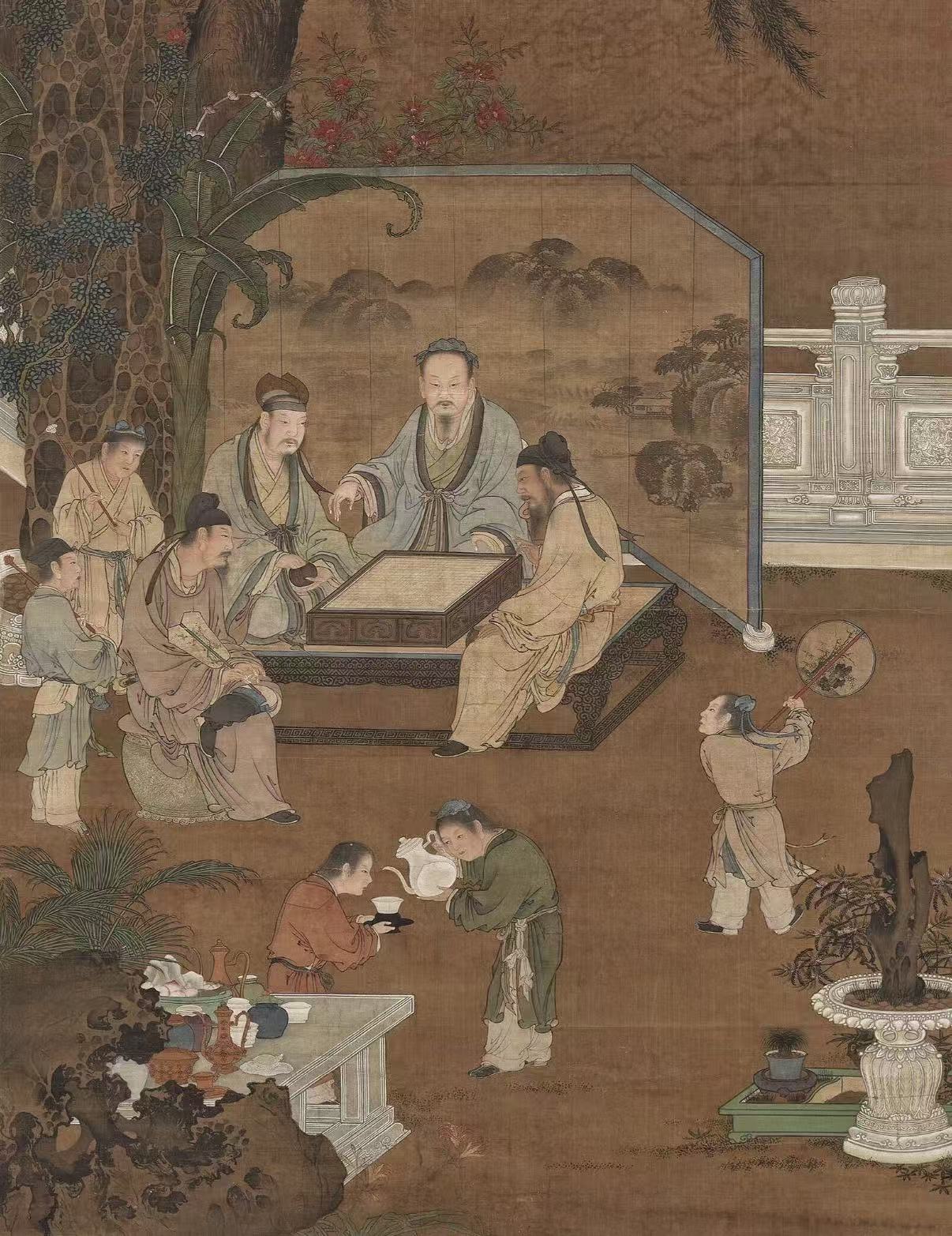
It began as mountain tea grown by Buddhist monks in Hangzhou temples during
the Tang Dynasty (618–907).
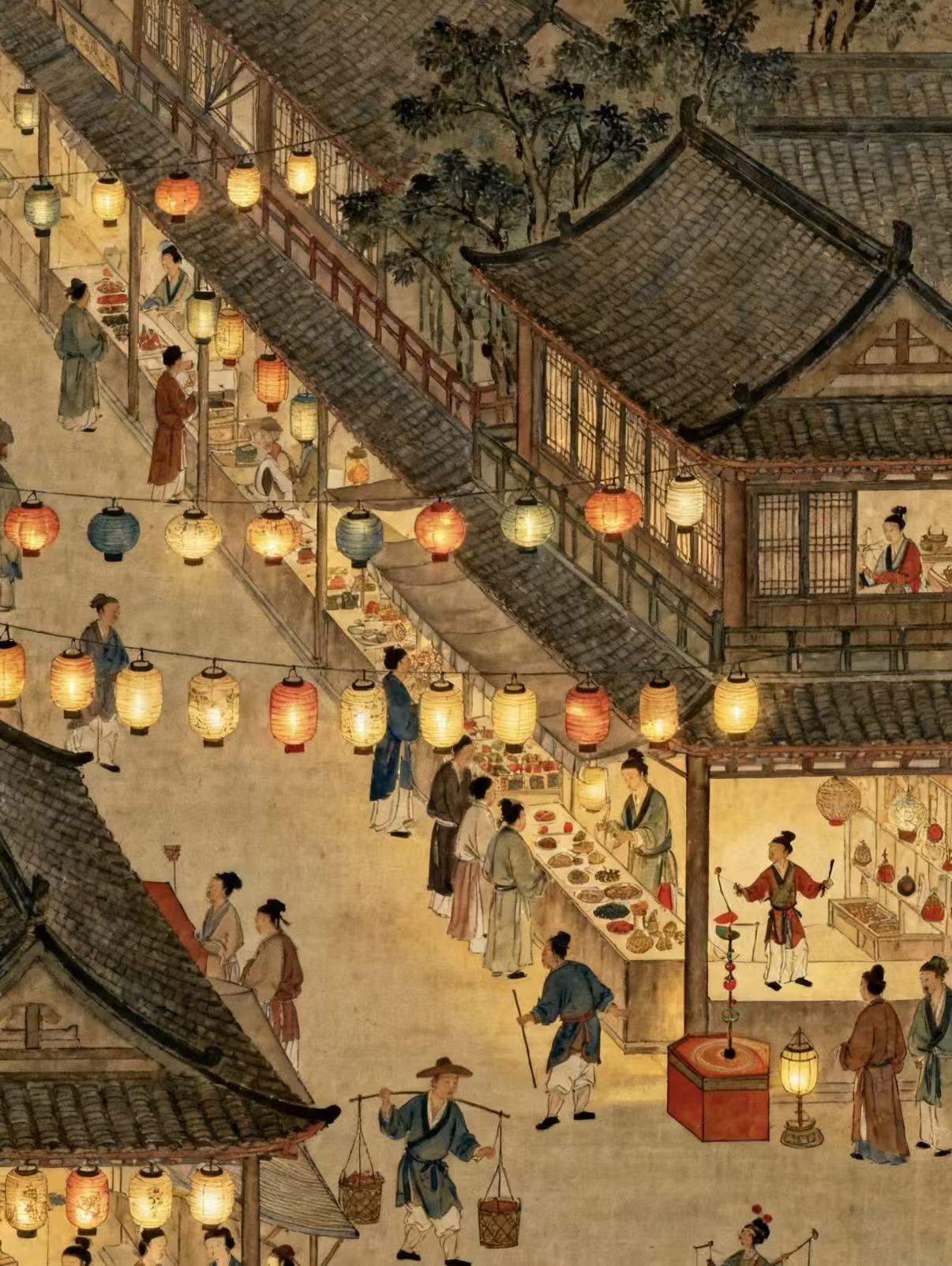
It became a tribute tea in
the Song Dynasty (960–1279)
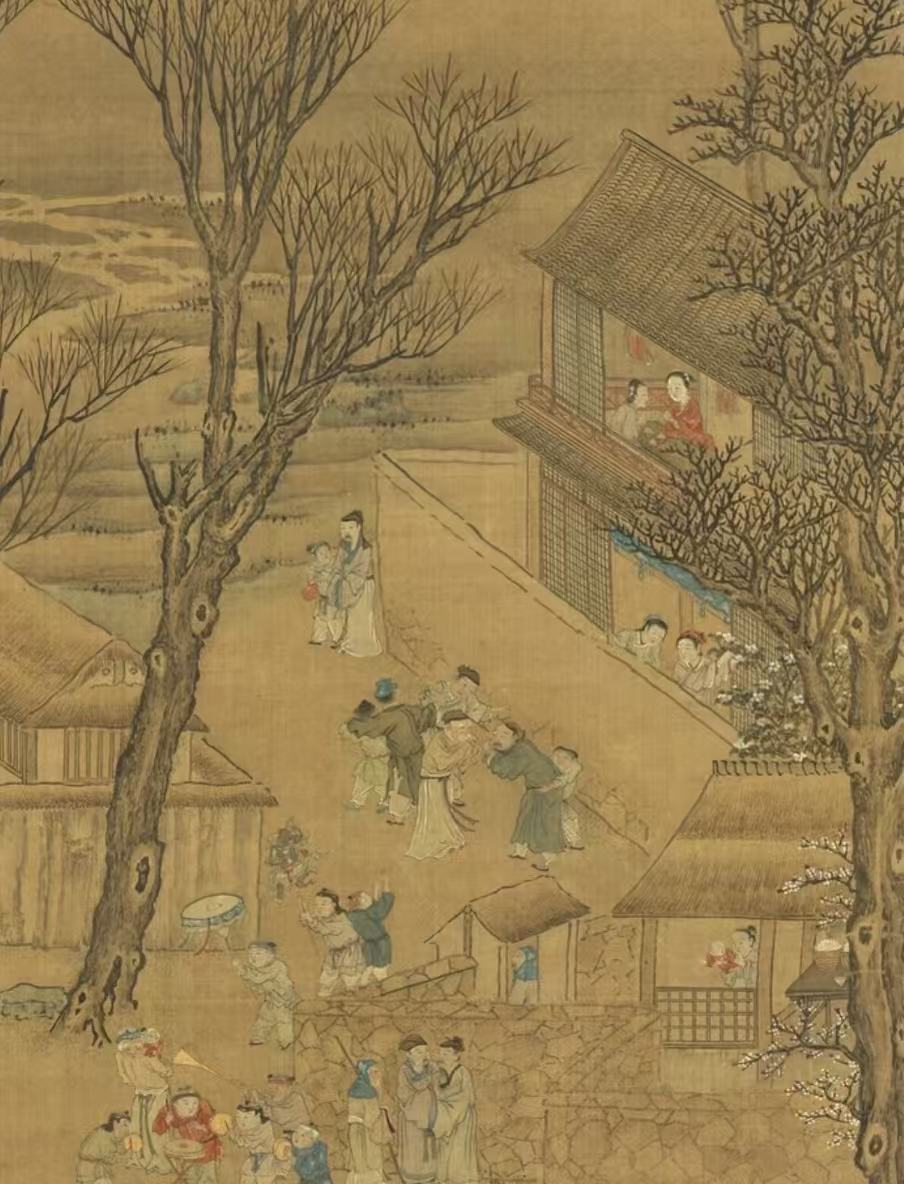
Longjing received its name from
the Dragon Well spring in
the Yuan Dynasty (1271–1368)
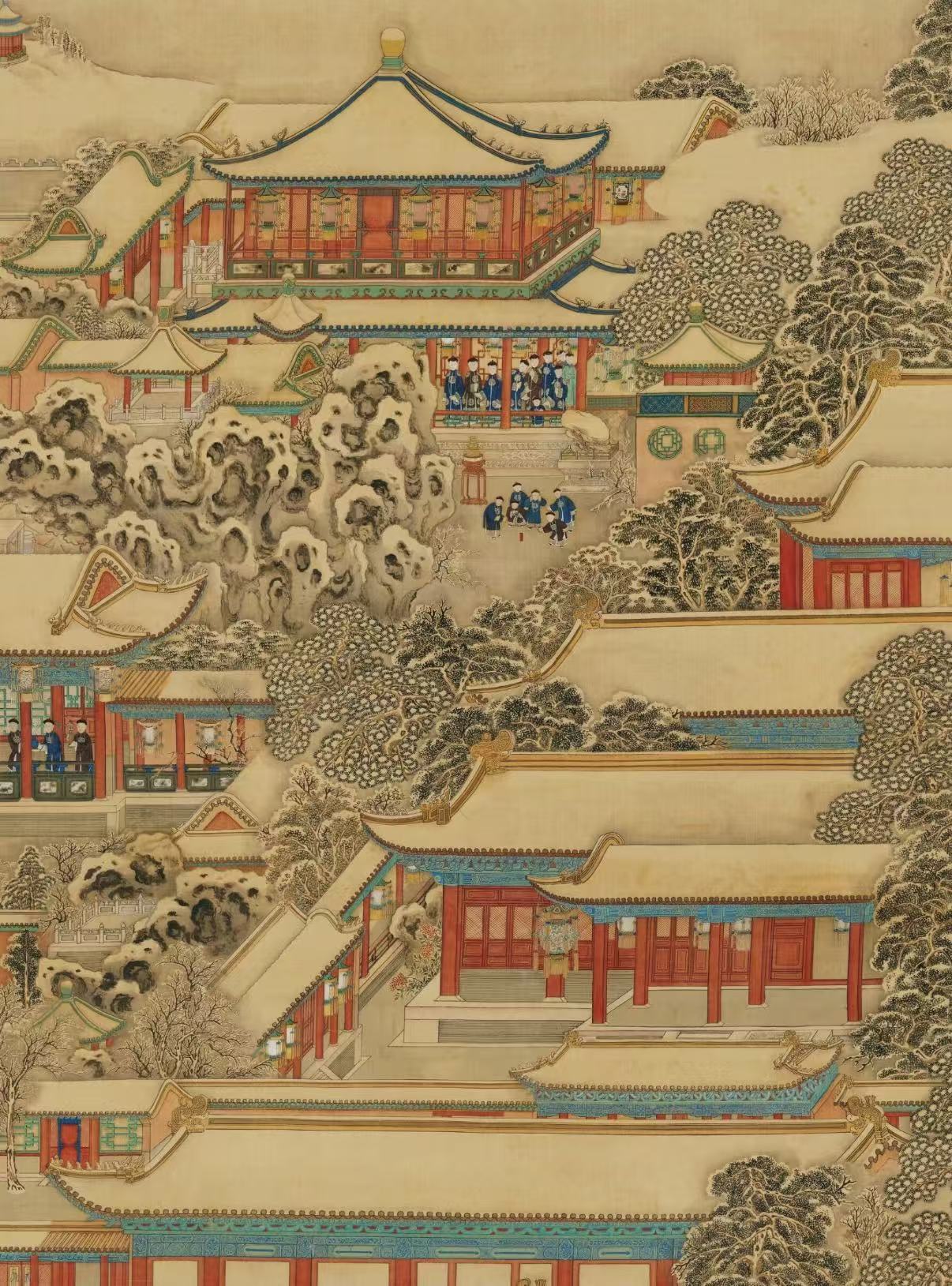
It gained imperial recognition
from Emperor Qianlong in
the Qing Dynasty (1644–1912)
Today, it ranks as the number one Chinese green tea and holds a National Geographical Indication status.
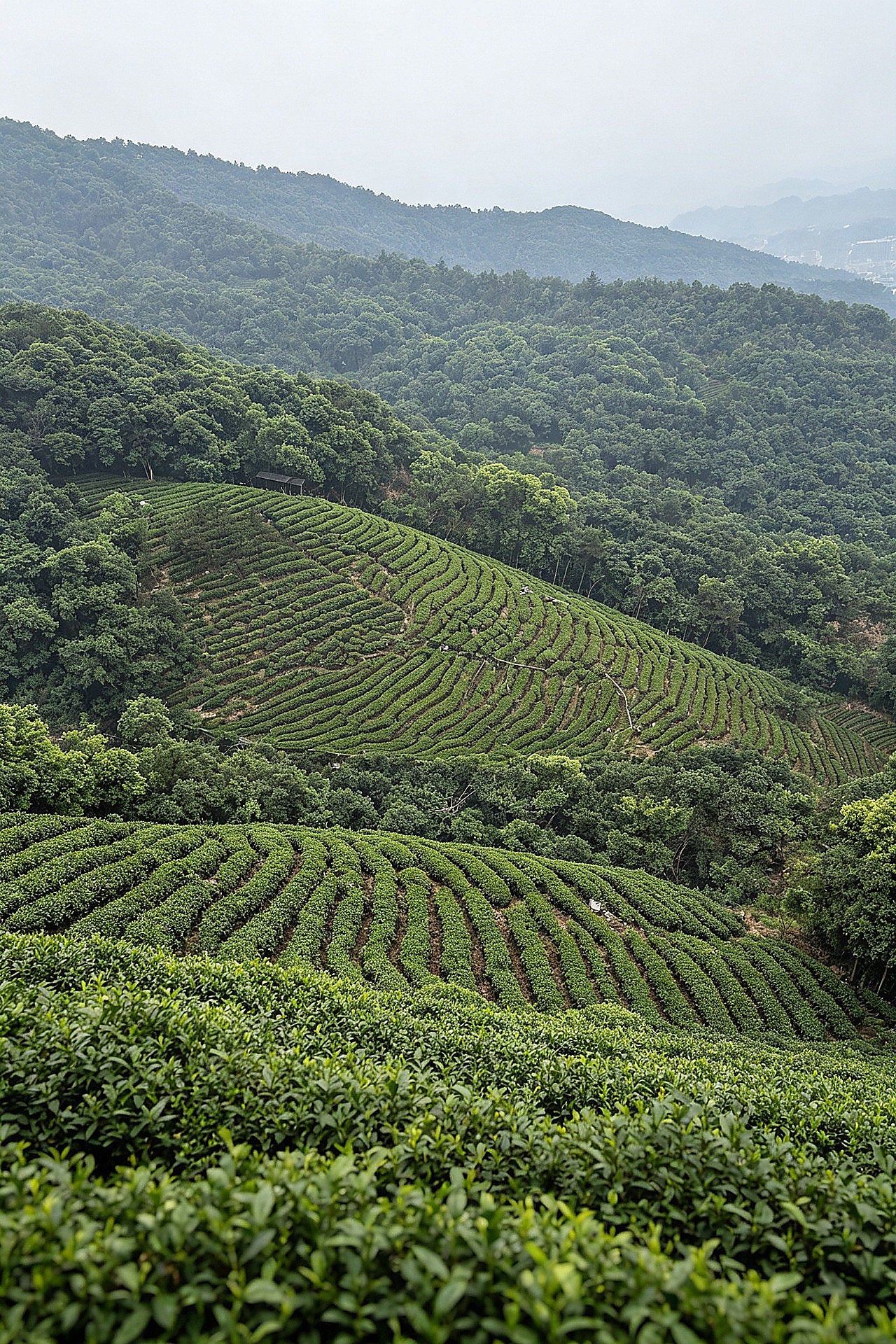
Tea garden in Mountain Valleys
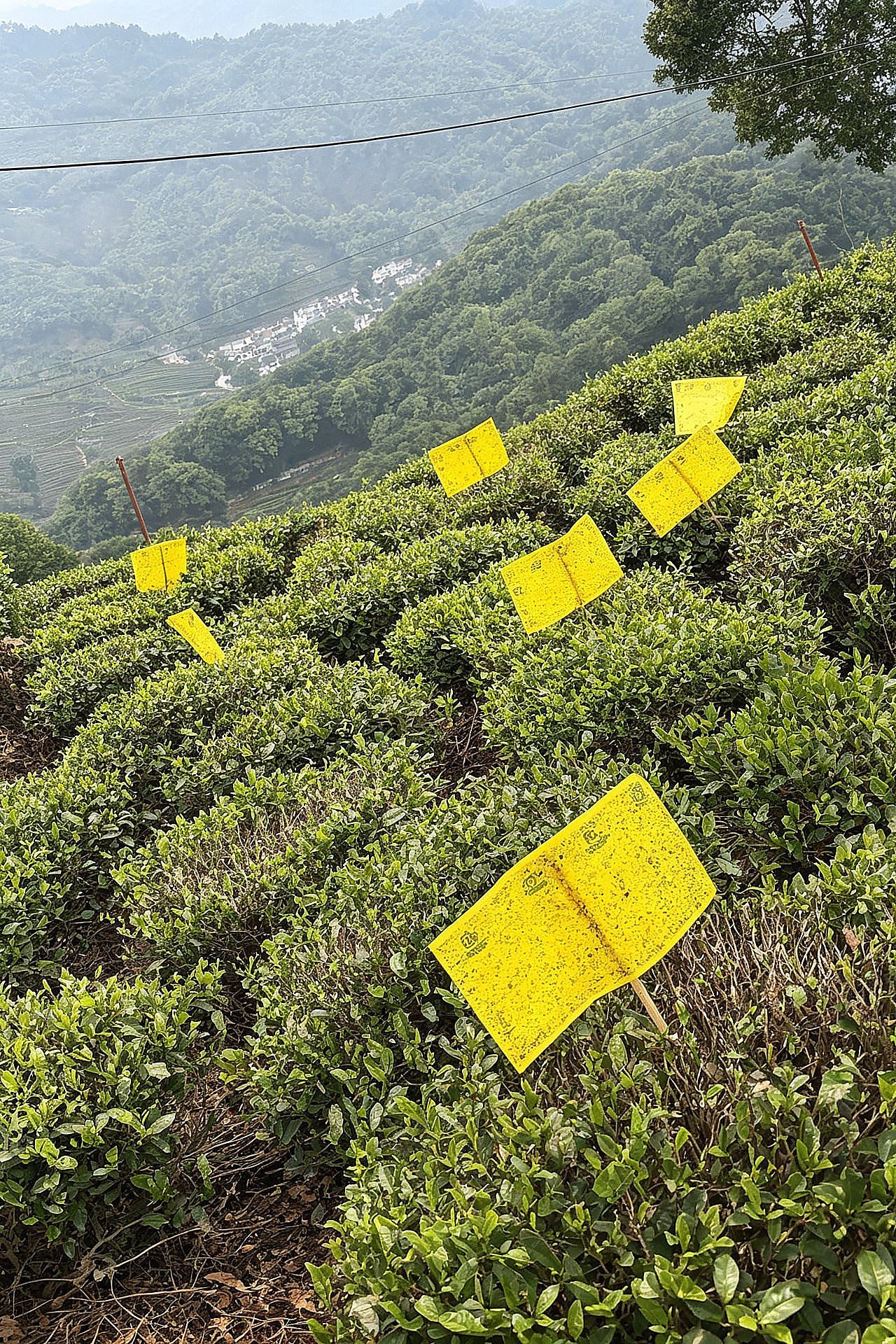
100% pesticide-free. Physical pest control only
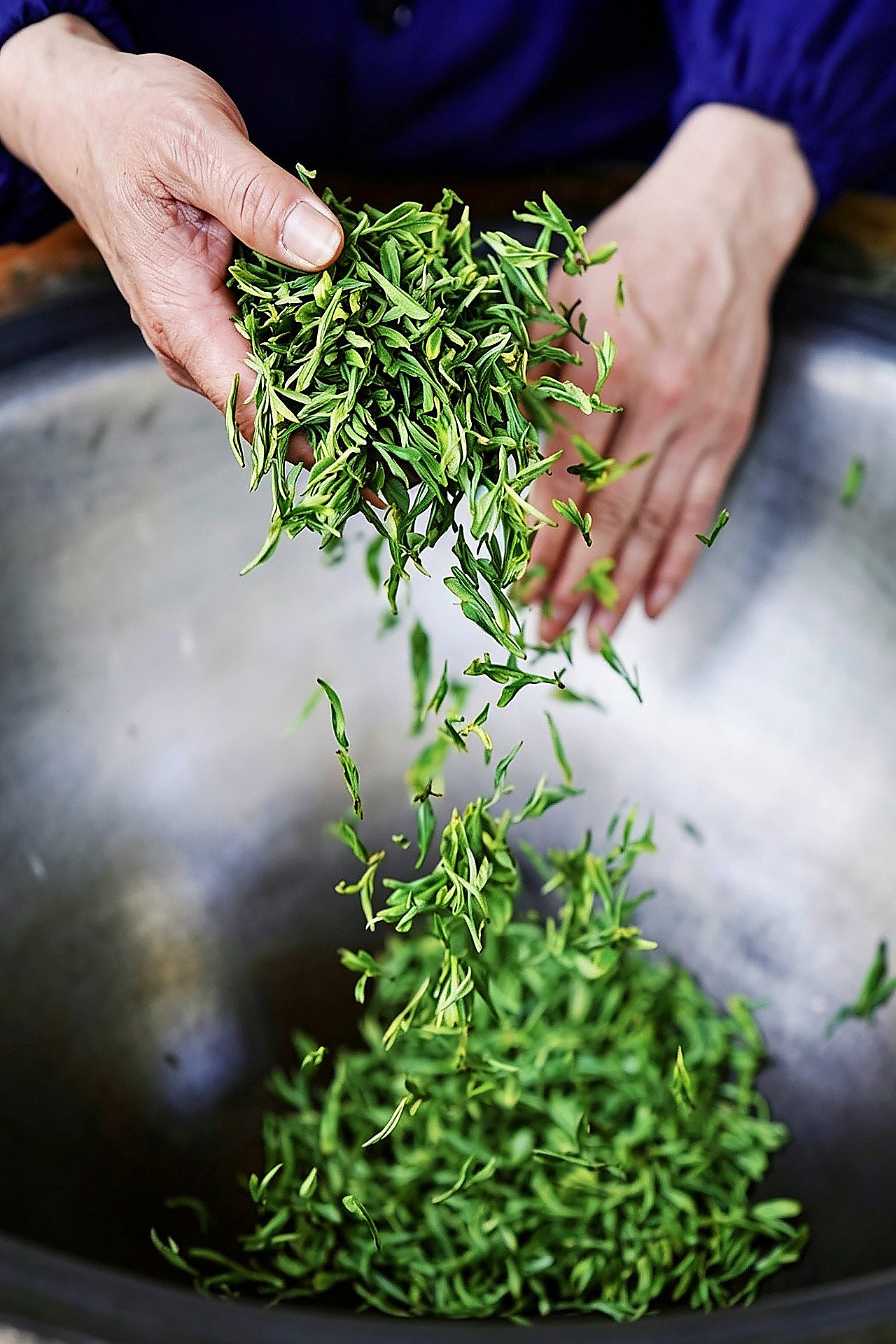
Crafted using traditional processing methods
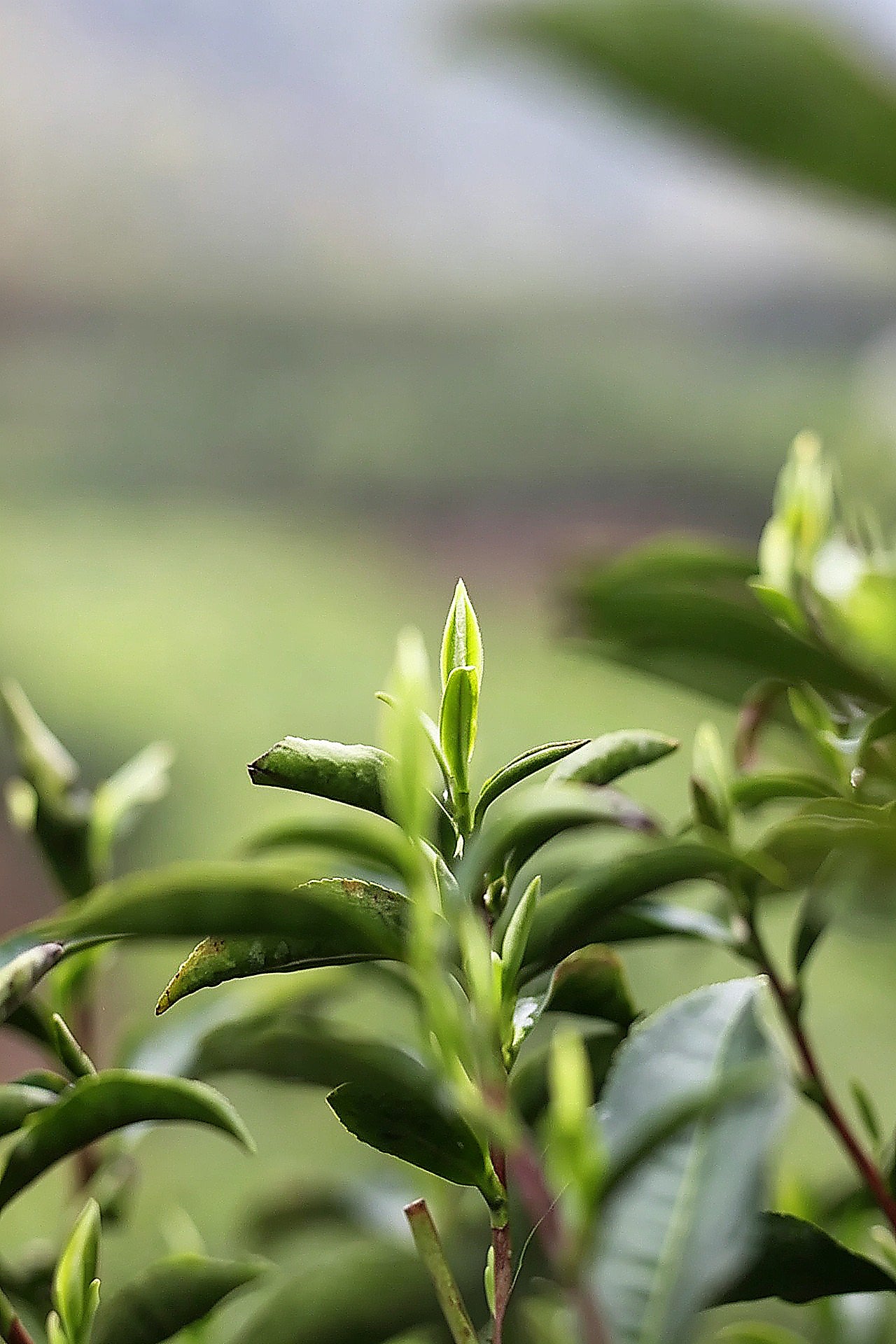
Hand-plucked tender spring buds

Direct from Origin
West Lake Scenic Area
Zhejiang Province ,Hangzhou,China

Flavor Summary
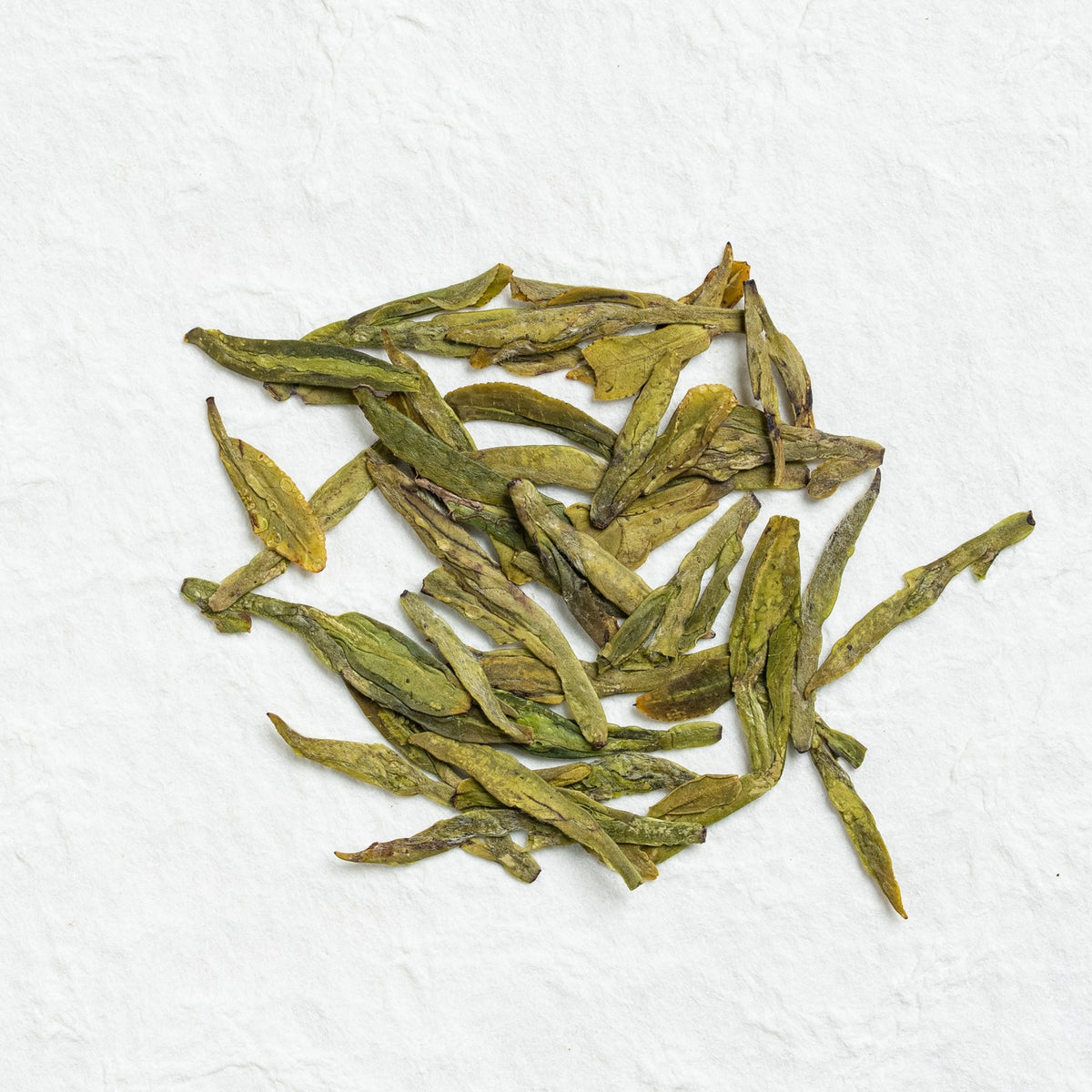
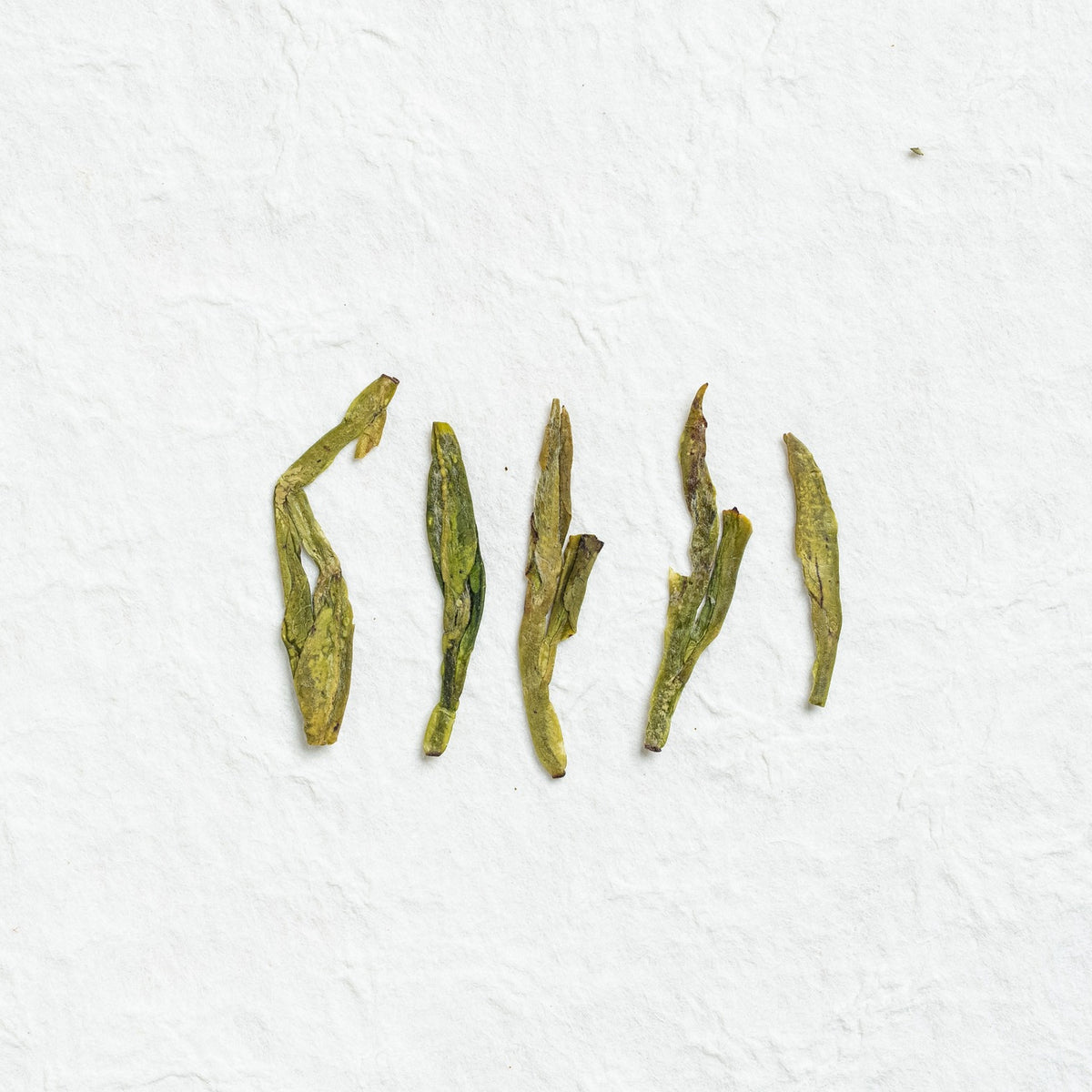
The first infusion delivers an intense roasted bean aroma, followed by a fresh, sweet and brisk taste with a long-lasting, spring-like sweet aftertaste. Premium Longjing hides a subtle orchid fragrance beneath the bean note.
Bioactive Compounds
Catechins (EGCG)
The most core antioxidant in green tea, with potent free-radical scavenging, anti-inflammatory, and anti-cancer bioactivities.
Amino Acids (L-Theanine)
green tea its refreshing umami taste, relaxes nerves and improves sleep quality.
Caffeine
caffeine stimulates alertness and, together with L-theanine, induces a state of relaxed focus.
Vitamins
Vitamin C and Vitamin E, which help fight oxidation and boost immunity.

Green tea
Brewing guide
in chinese gongfu way

Use a small teapot with a capacity of 120 to 150 ml.

Rinse teapot with boiling hot water to preheat

Swirl the leaves gently in the vessel to awaken the aroma.

Pour in about one-fifth full of boiling water to fully saturate the tea leaves.

Fill the vessel with hot water at 185°F (85°C).

Cover the lid and steep for about 10 seconds

Empty the teapot completely to prevent over-steeping

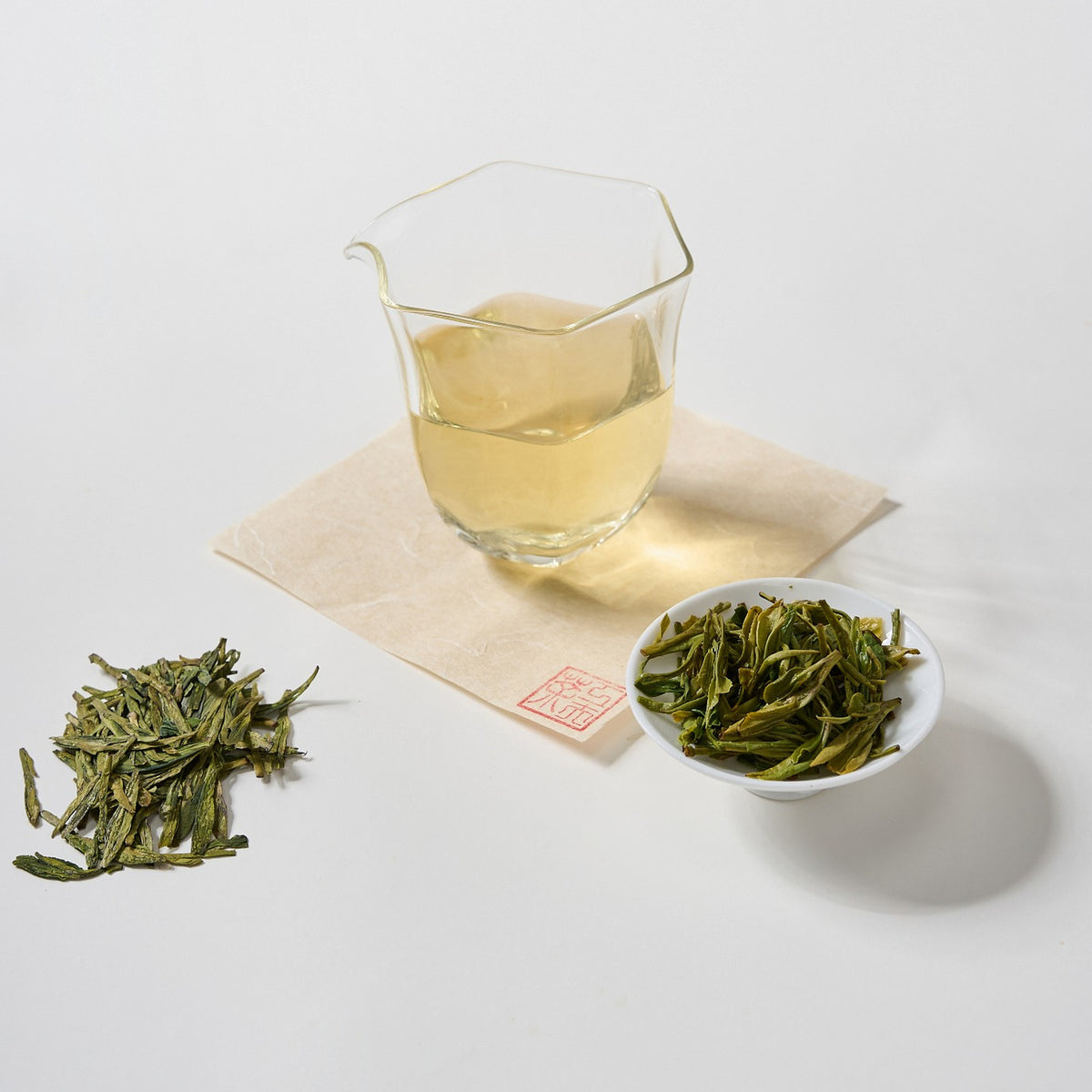
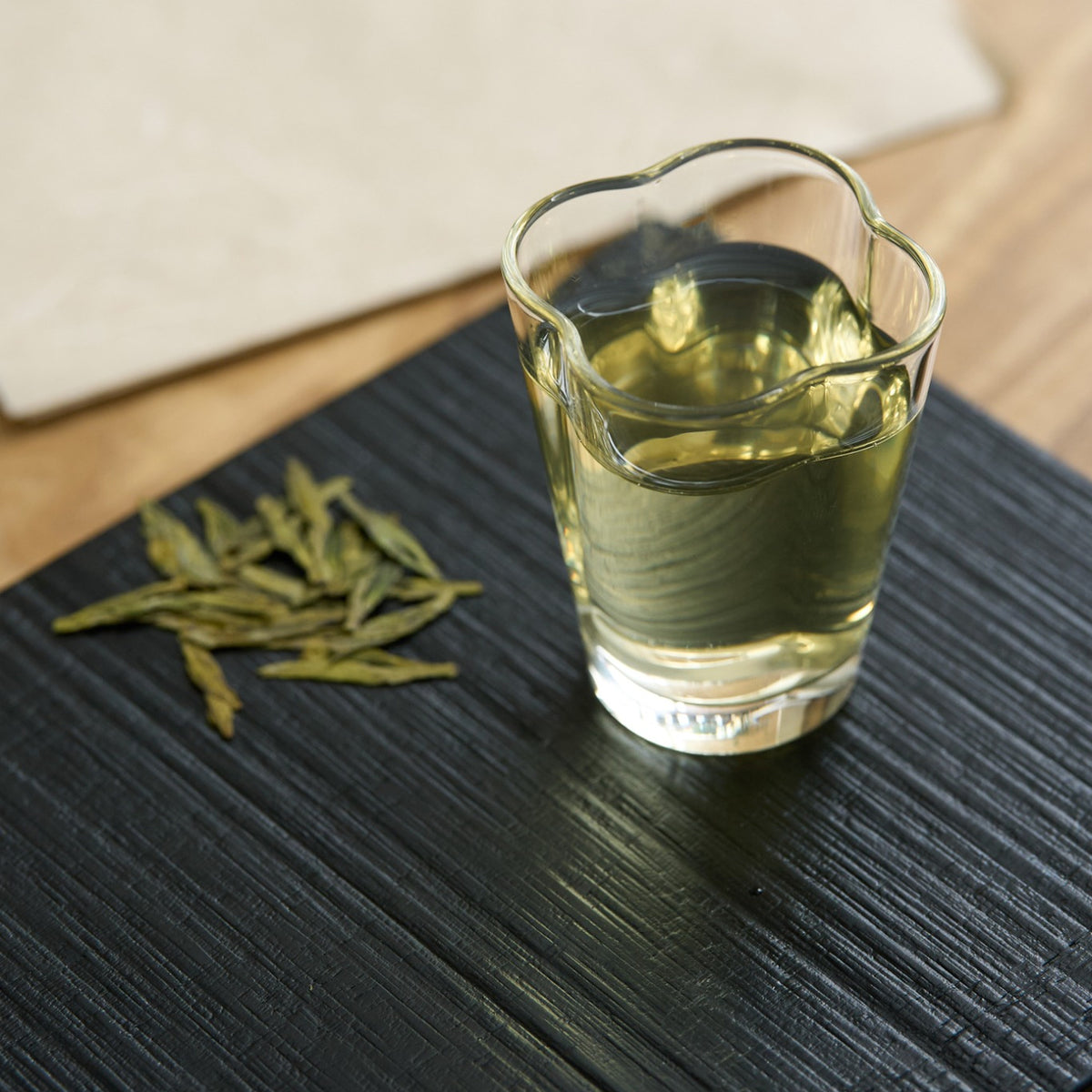
The liquor is a clear, pale green with a bright, translucent sheen.


