
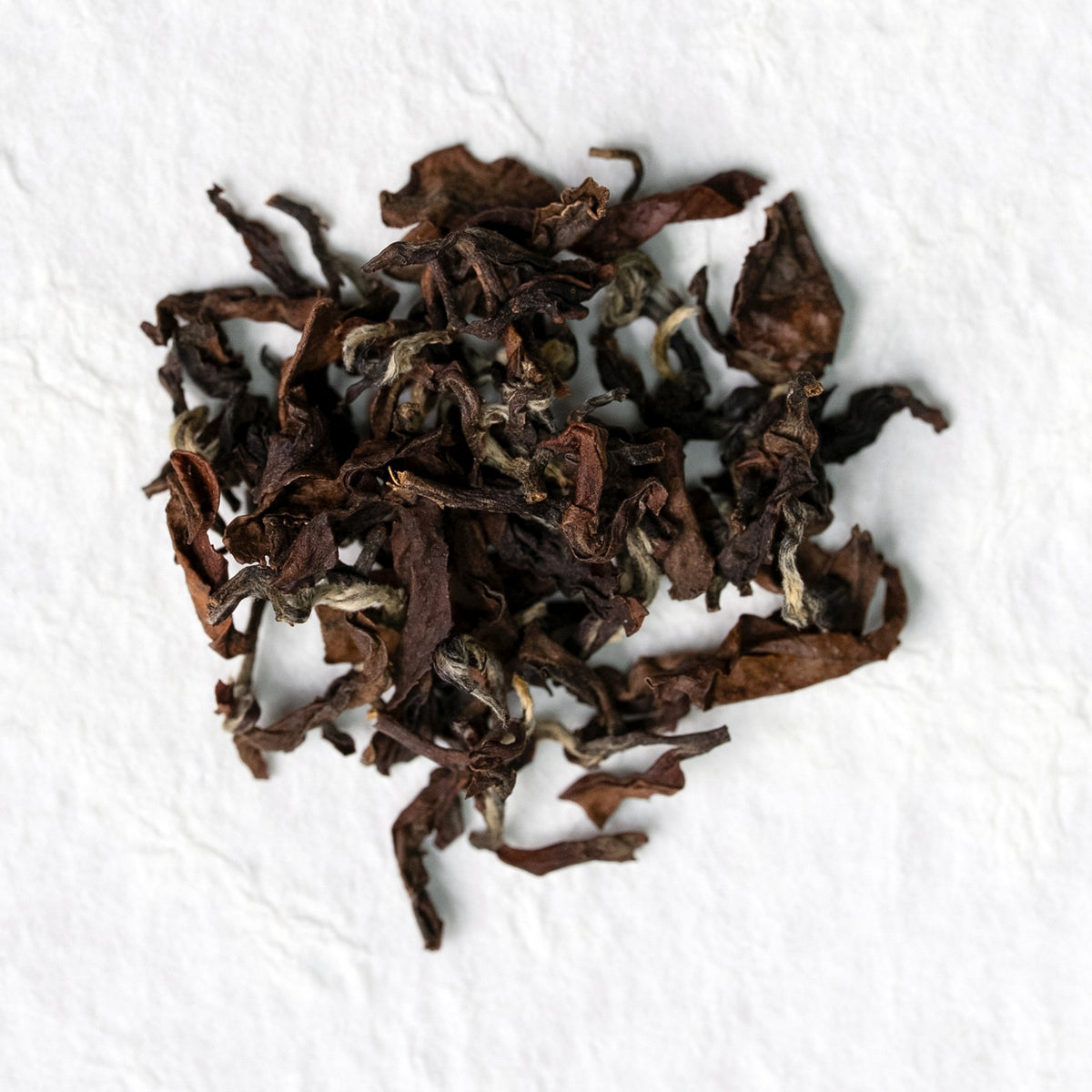
Oriental Beauty Oolong Tea loose leaves on a light textured surface
oriental beauty oolong tea Tasting Pack with visual references to its tasting notes
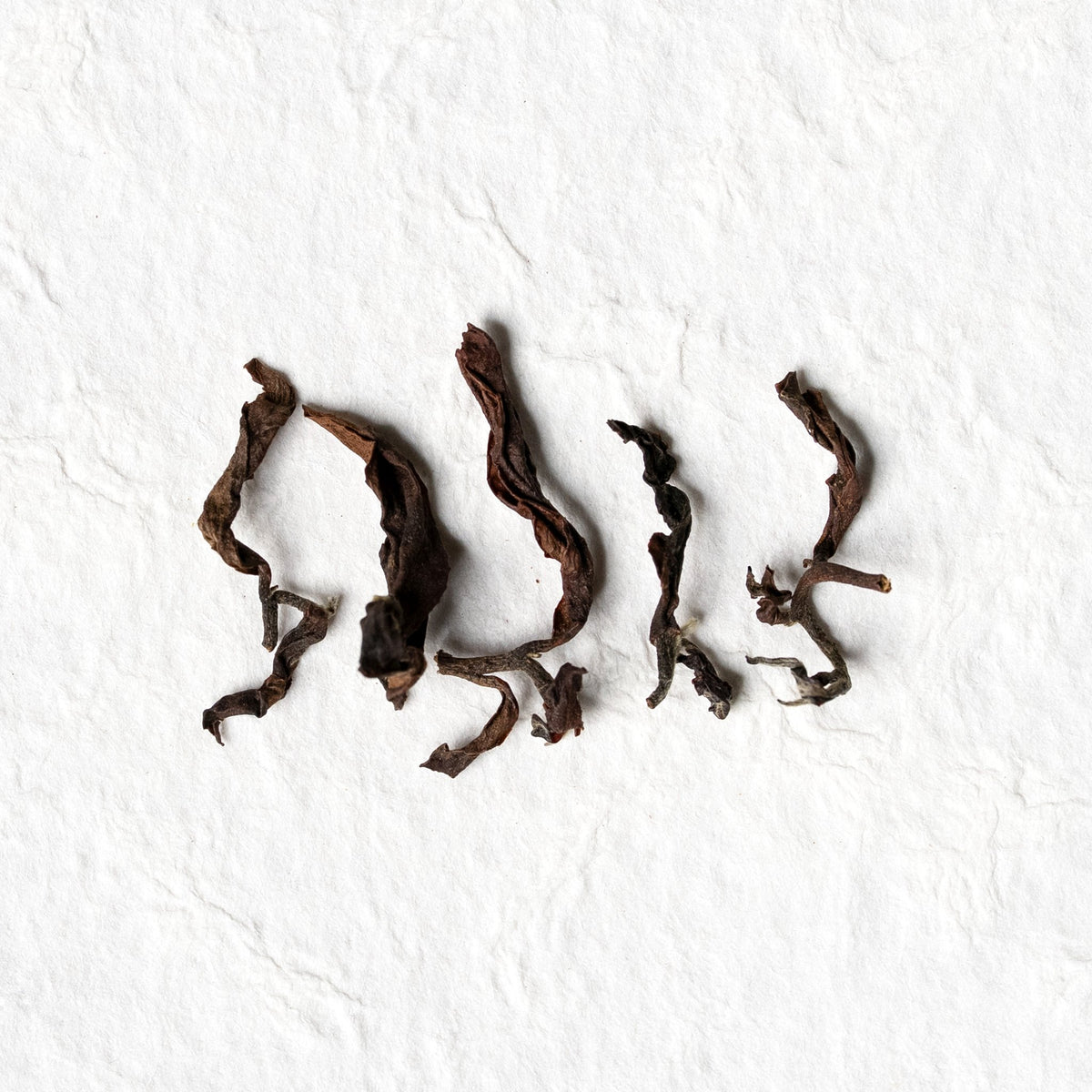
Close view of individual Oriental Beauty Oolong Tea leaves
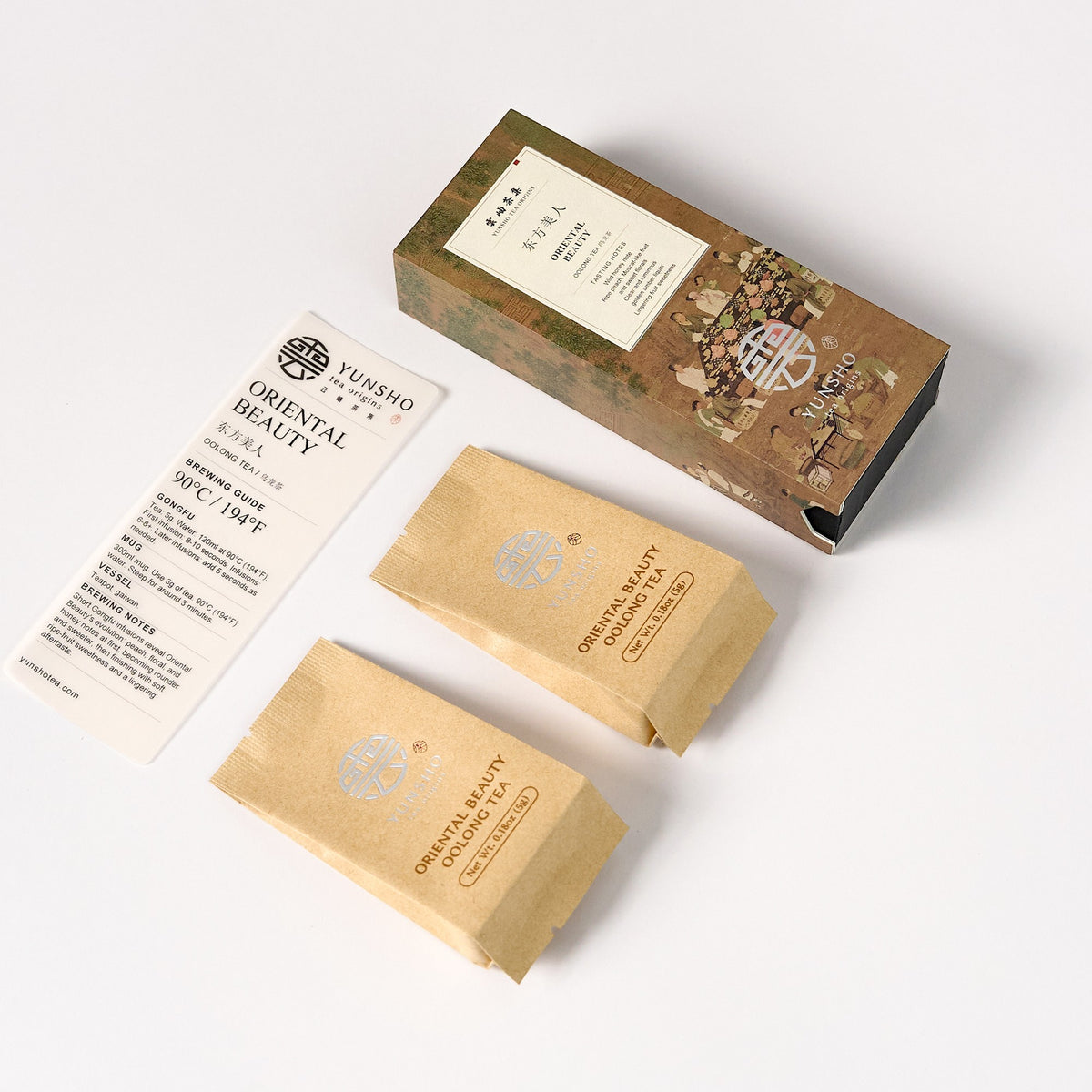
Oriental Beauty Oolong Tea tasting pack with 2 individually wrapped tea pouches

Oolong Tea

Oriental Beauty Oolong Tea

Taiwan

$14.80

Honey · Ripe Peach · Soft Florals

A Taiwanese oolong with a rare, distinctive fragrance, ripe-peach notes, and a lingering floral sweetness.

Caffeine level: Medium. Compared with regular coffee.

10.0 g · 2 pouches × 5.0 g

Enjoy 8 infusions per pouch. (150 ml each)

Tea orders usually ship within 1–3 business days after payment is confirmed.

Standard U.S. shipping: free on $49+ after discounts · $5.90 below $49.

Shipping & delivery details

Tea Profile

  1. Fruit pieces in a bowl; a visual tasting reference
    A rounded, ripe-fruit character.
  2. Pale blossoms floating on water; a visual tasting reference
    A light floral fragrance.
  3. Golden honeycomb; a visual tasting reference
    A honey-like sweetness.

Ripe-fruit and floral notes lead into a honey-like sweetness.

Oriental Beauty Oolong Tea flavor profile chart

Aroma, Taste & Finish

Honey-like fragrance and ripe-peach notes lead into a smooth, rounded amber cup. Soft florals follow through the sip, with a fragrant sweetness that stays after the tea is gone.

Naturally in the Leaf

This deeply oxidized oolong contains tea polyphenols, L-theanine, and naturally occurring caffeine.

Tea polyphenols — Oolong contains catechins and other polyphenols shaped by oxidation, studied for their antioxidant activity and relationship with health.

L-theanine — An amino acid naturally found in tea, studied for its role in relaxation and attention.

Caffeine — A natural stimulant in tea that can help you feel more alert.

Regional map marking Taiwan

Rooted in Place

A Local Tea Tradition

Oriental Beauty belongs to Taiwan’s distinctive tea-making tradition, closely associated with the Hakka tea communities of Hsinchu and Miaoli. Generations of makers learned to turn leafhopper-fed shoots into a deeply oxidized oolong, giving this regional style its unmistakable honeyed fragrance and ripe-fruit character.

Growing Environment

Taiwan’s warm, humid tea-growing landscapes support both tender tea growth and the small leafhoppers central to this style. Their feeding changes the young leaf’s aromatic potential before it is picked. Careful withering and oxidation then develop that potential into Oriental Beauty’s honeyed, floral, and ripe-fruit cup.

  1. Tea rows with mountains beyond
    Tea rows with mountains beyond.
  2. Young leaves beneath an open sky
    Young leaves beneath an open sky.
  3. A close look at a tender tea shoot
    A close look at a tender tea shoot.

Mountain-backed tea rows, sunlit leaves, and a tender young shoot.

Craft That Shapes the Cup

Leafhopper-bitten shoots, repeated tossing, and a covered rest after heat fixing shape Oriental Beauty’s honeyed, ripe-fruit character.

  1. Tender tea shoots on a leafy branch

    Picking

    Tender shoots are selected after tea leafhoppers have fed on them. This distinctive starting material is central to Oriental Beauty’s natural honeyed and ripe-fruit fragrance.

  2. Tea leaves spread out on trays during processing

    Withering

    The fresh shoots are spread to release moisture and soften gradually. This prepares the tender leaf for the careful movement that develops its rich oolong character.

  3. Tea leaves gathered in a loose mound

    Tossing & Resting

    The leaves are tossed and left to rest through several rounds, developing their oxidation and fragrance. Following the changing leaf closely helps bring out Oriental Beauty’s honeyed, fruity aromatic layers.

  4. Hands moving tea leaves through a heated pan

    Heat Fixing

    The leaves are heated when their oxidation has reached the chosen point. This preserves the developed aromatic balance before the covered rest and rolling that follow.

  5. Cloth-covered tea with a temperature gauge

    Covered Resting

    After heating, the leaves are covered with a damp cloth and allowed to rest. Moisture redistributes through the leaf, making it more pliable for rolling and reducing breakage.

  6. Hands working tea leaves into strands

    Rolling

    The rested leaves are gently rolled into shape while they are still supple. This opens their structure for brewing while protecting the tender shoots from excessive breakage.

  7. Tea leaves spread across a white tray

    Drying

    The shaped leaves are dried evenly to remove excess moisture. This completes the tea and helps preserve the honeyed fragrance developed through the earlier stages.

Oolong Tea

Brewing Guide

Gongfu-style preparation

Use a gaiwan or small teapot that holds 150 ml.

Warm the empty vessel with hot water.

Add one pouch and fill with 150 ml of water at 194–203°F / 90–95°C.

Cover and steep for 8–10 seconds.

Pour out completely between steeps.

Enjoy the tea’s aroma and taste.

Brew 8 infusions in total, lengthening later steeps to taste.

Common Questions

What gives Oriental Beauty its honey fragrance?


Its character begins with tea green leafhoppers feeding on young shoots. Withering and deeper oxidation develop that aromatic potential into the honeyed and ripe-fruit notes associated with this Taiwanese oolong.

Is Oriental Beauty a black tea?


It is an oolong with a deeper level of oxidation. Its warm color and rounded fruit notes can appeal to black-tea drinkers, while its floral detail and distinctive processing belong to the oolong tradition.

What is included in each pack?

Tasting Pack: 10.0 g · 2 pouches × 5.0 g

Classic Box: 50.0 g · 10 pouches × 5.0 g

How should I store it?


Keep the tea sealed in a cool, dry place, away from strong odors, direct sunlight, and heat. Reseal any opened pouch between uses.

  • 5 stars: 1 (100%)
  • 4 stars: 0 (0%)
  • 3 stars: 0 (0%)
  • 2 stars: 0 (0%)
  • 1 star: 0 (0%)
J
Jacob1

This has a gentle sweetness that doesn't wear out its welcome. I can finish a pot without wanting to switch to something else.

Oriental Beauty Oolong Tea loose leaves on a light textured surface

Explore the Tea Guide

Meet the tiny leafhopper behind this Taiwanese oolong’s distinctive character, and explore its honeyed aroma, white-tipped leaves, and naming stories.

Explore the Tea Guide