




Aroma, Taste & Finish
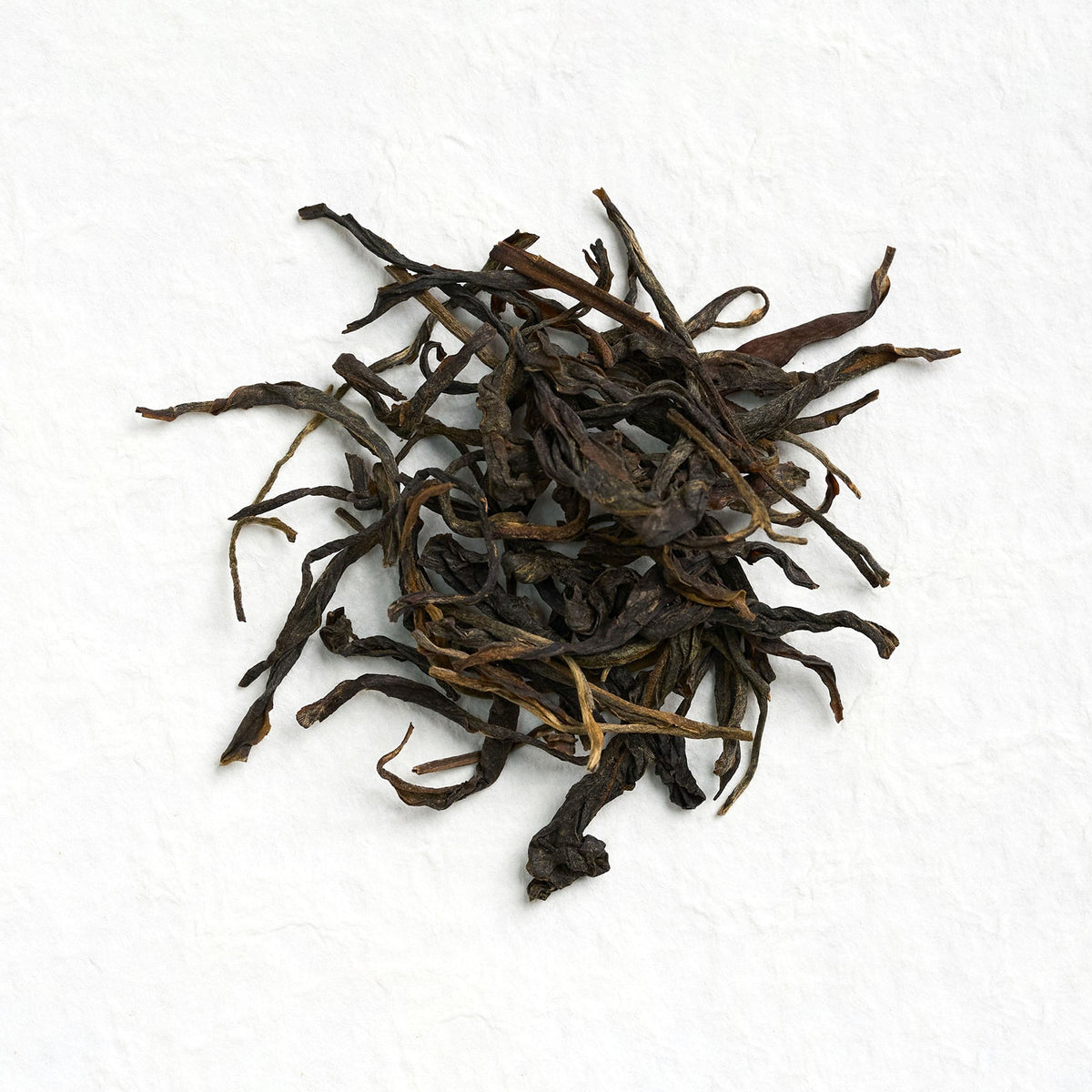
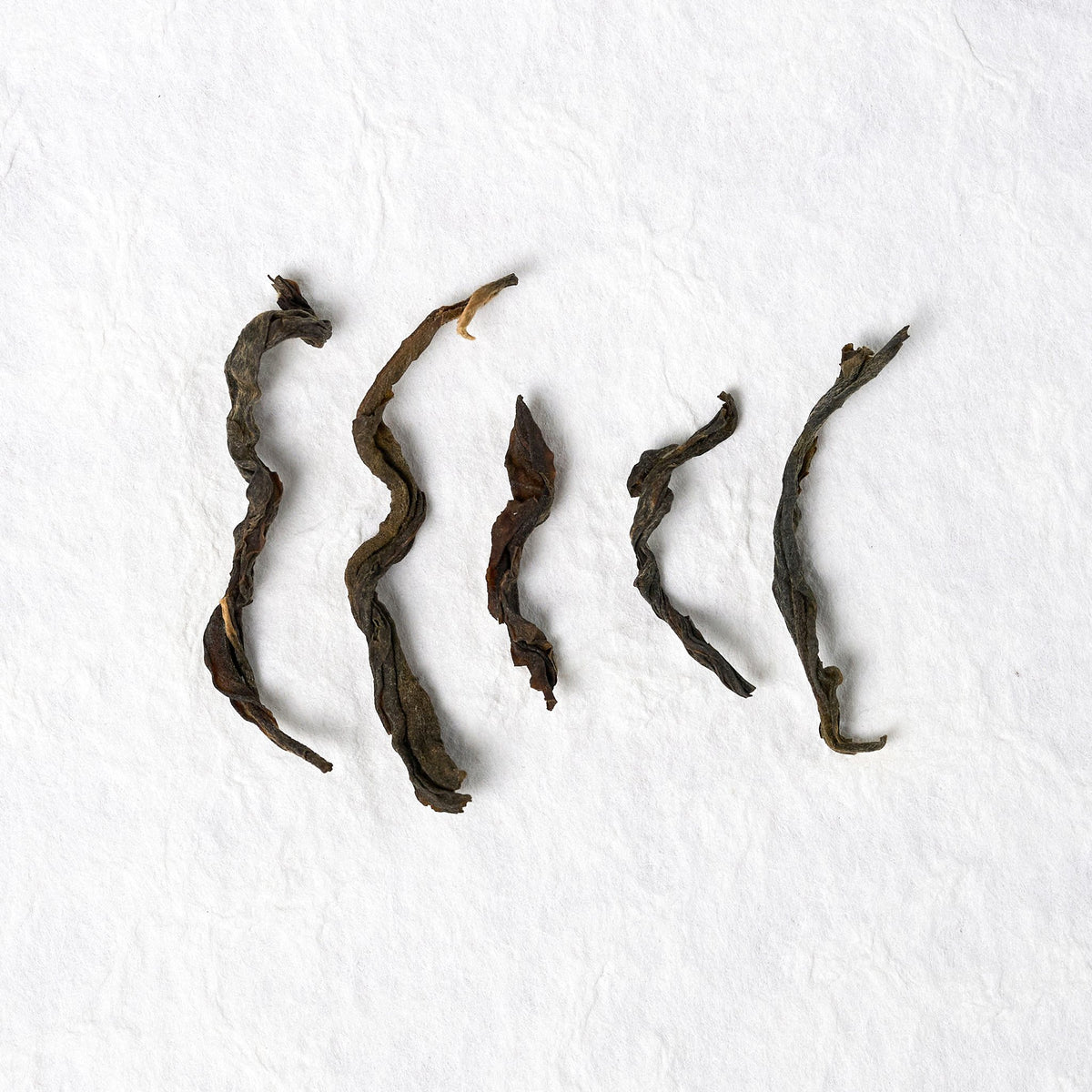
Wildflowers, stone fruit, and ripe plum give the cup a bright opening over soft woody depth. A hint of bitterness and a light drying feel quickly give way to a long, sweet finish.
Naturally in the Leaf

Rooted in Place
A Local Tea Tradition
Yiwu was a major tea center among Yunnan’s historic Six Tea Mountains. Old tea roads and surviving tea houses tell the story of leaves gathered here and carried outward for generations, giving Yiwu a lasting place in Pu-erh history.
Growing Environment
Yiwu’s forested hills rise through a warm, humid climate with generous rainfall. This varied mountain environment supports tea growth across the region and provides the fresh leaf from which raw Pu-erh begins.


Craft That Shapes the Cup
Picked leaf moves through withering, heat fixing, rolling, loosening, and sun drying to become the base of raw Pu-erh.

Picking

Withering

Heat Fixing

Rolling

Loosening

Sun-Drying


Brewing Guide
Brew each pouch 5 times, using 150 ml of water for each infusion.
Add the tea
Use 1 pouch in a gaiwan or small teapot.
Add the water
Pour in 150 ml at 212°F / 100°C.
Steep & pour
Steep for about 20 seconds, then pour out completely.
Lengthen later steeps gradually, adjusting to taste.
- Teaware
- Gaiwan or small teapot
- Tea & water
- 1 pouch · 150 ml
- Water temperature
- 212°F / 100°C
- First steep
- About 20 sec
- Infusions
- 5
Lengthen later steeps gradually, adjusting to taste.

Watch the brewing method
Pu-erh Tea
Brewing Guide
Gongfu-style preparation

Use a gaiwan or small teapot that holds 150 ml.

Warm the empty vessel with hot water.

Add one pouch and fill with 150 ml of water at 212°F / 100°C.

Cover and steep for about 20 seconds.

Pour out completely between steeps.

Enjoy the tea’s aroma and taste.

Brew 5 infusions in total, lengthening later steeps to taste.
Common Questions
What is raw Pu-erh tea?
Raw Pu-erh is made from sun-dried Yunnan tea leaves. It is not put through the moist pile fermentation used for ripe Pu-erh.
What does Yiwu Raw Pu-erh taste like?
Look for wildflowers, stone fruit and ripe plum, gentle bitterness and light astringency, then a quick, lingering return of sweetness.
How should I brew it?
Use one pouch in a gaiwan or small teapot. Brew 5 infusions from the same leaves, using 150 ml of water at 212°F / 100°C each time. Start with about 20 seconds, pour out completely, and lengthen later steeps to taste.
How should I store this tea?
Keep it sealed in a cool, dry, odor-free place, away from heat, humidity, and direct sunlight.
What is included in each pack?
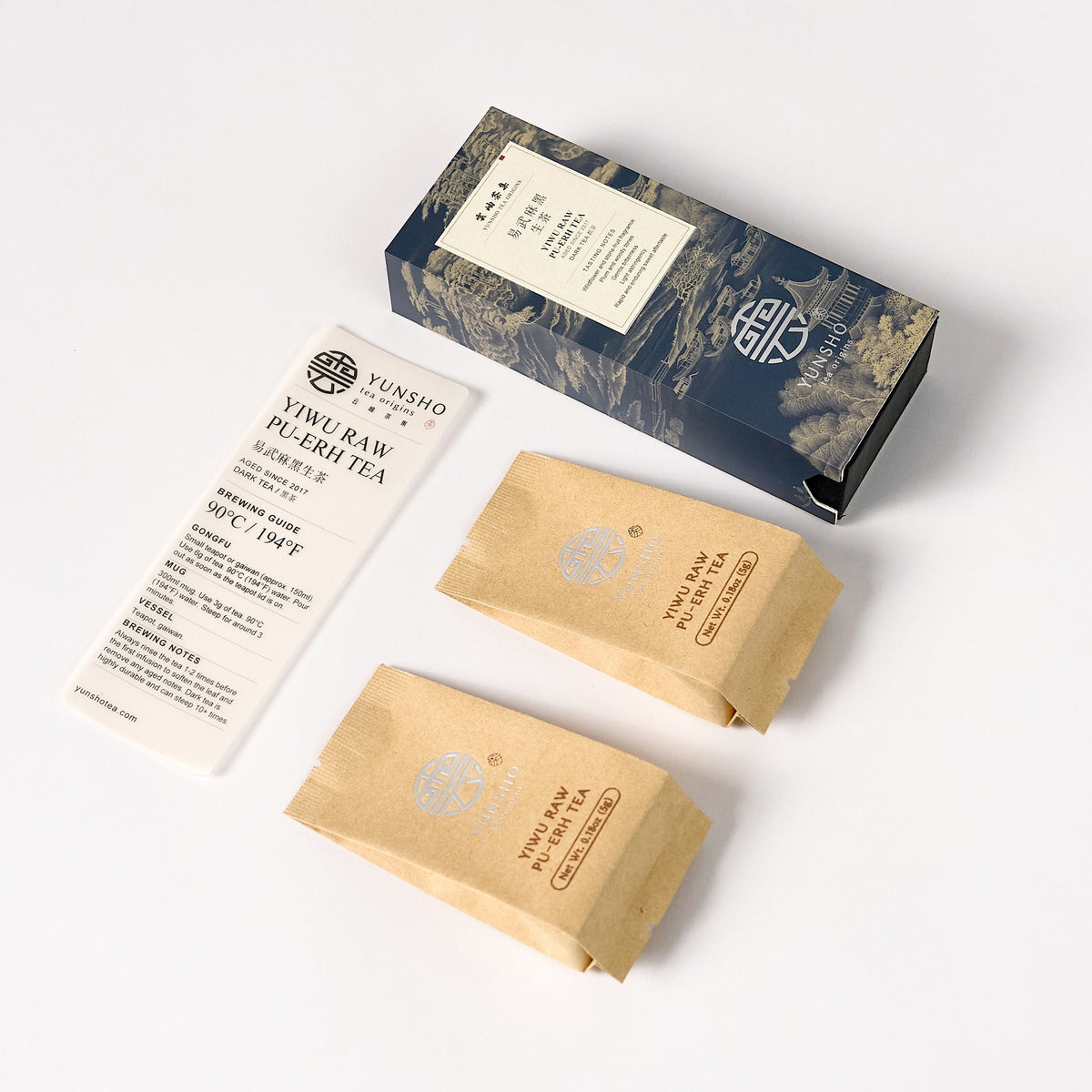
Tasting Pack: 10.0 g · 2 pouches × 5.0 g
Classic Box: 50.0 g · 10 pouches × 5.0 g
A well-known Yiwu Pu-erh from yunnan. I get a nice plum-like note from it, really enjoyed this one.
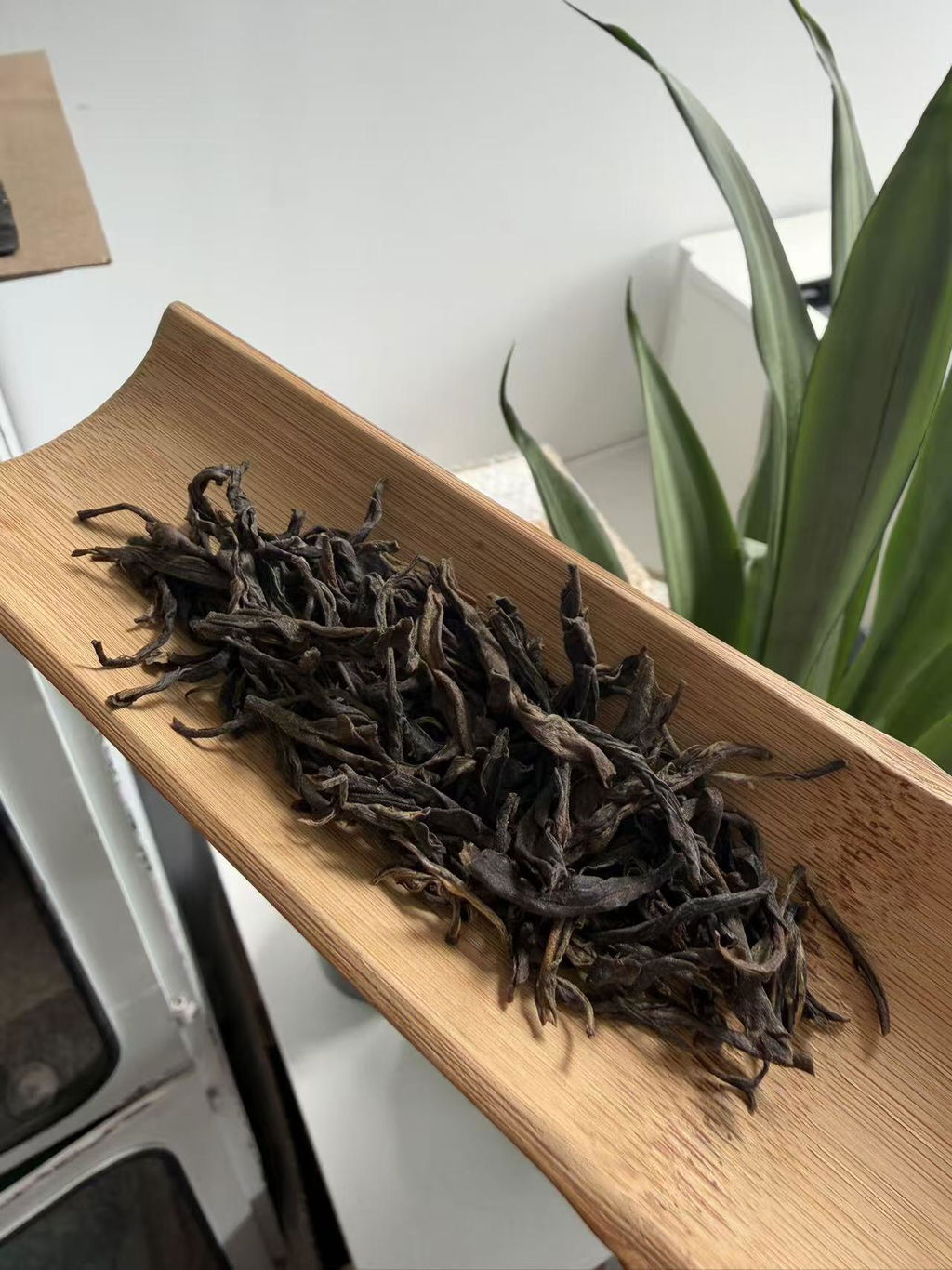
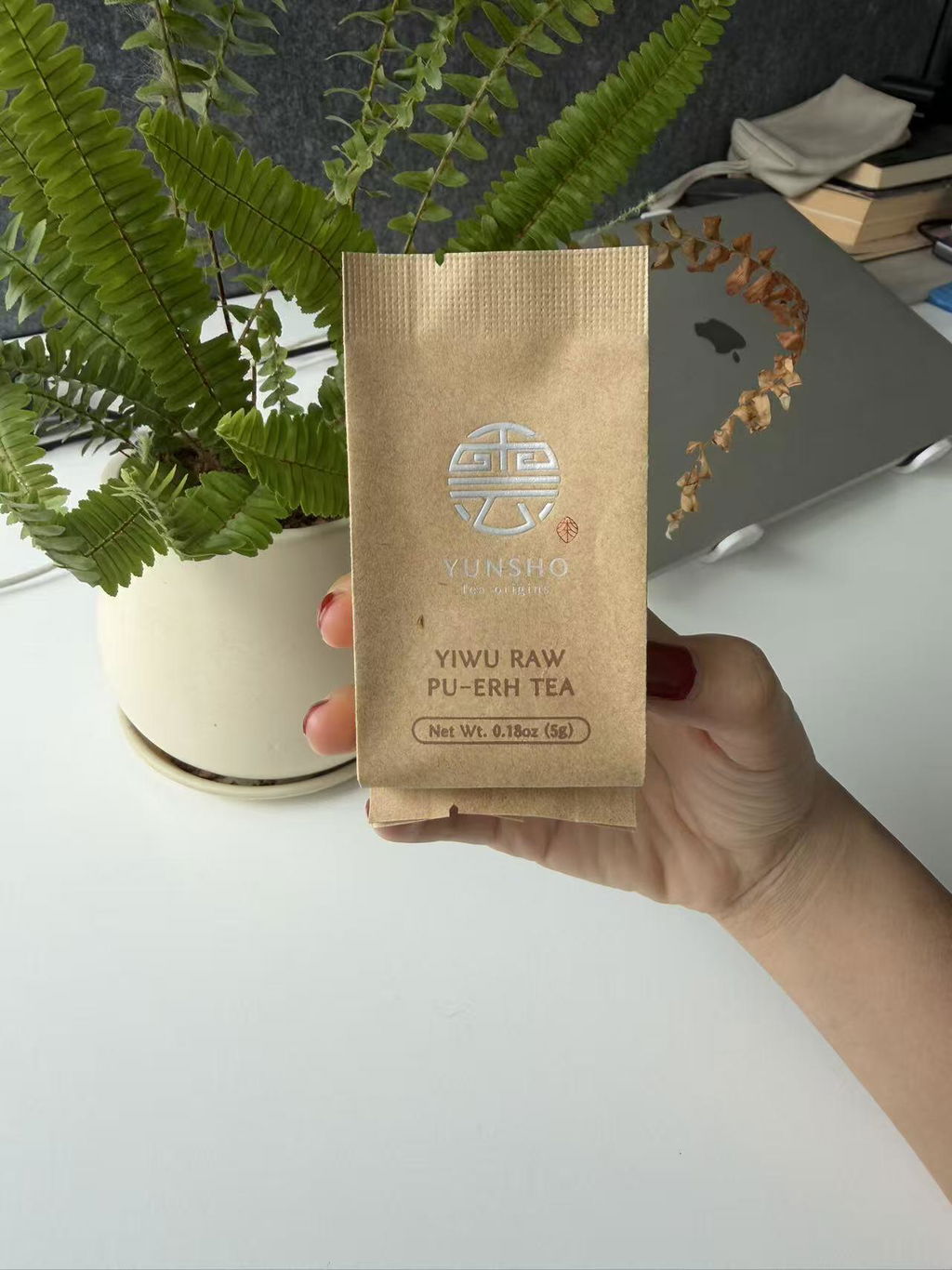
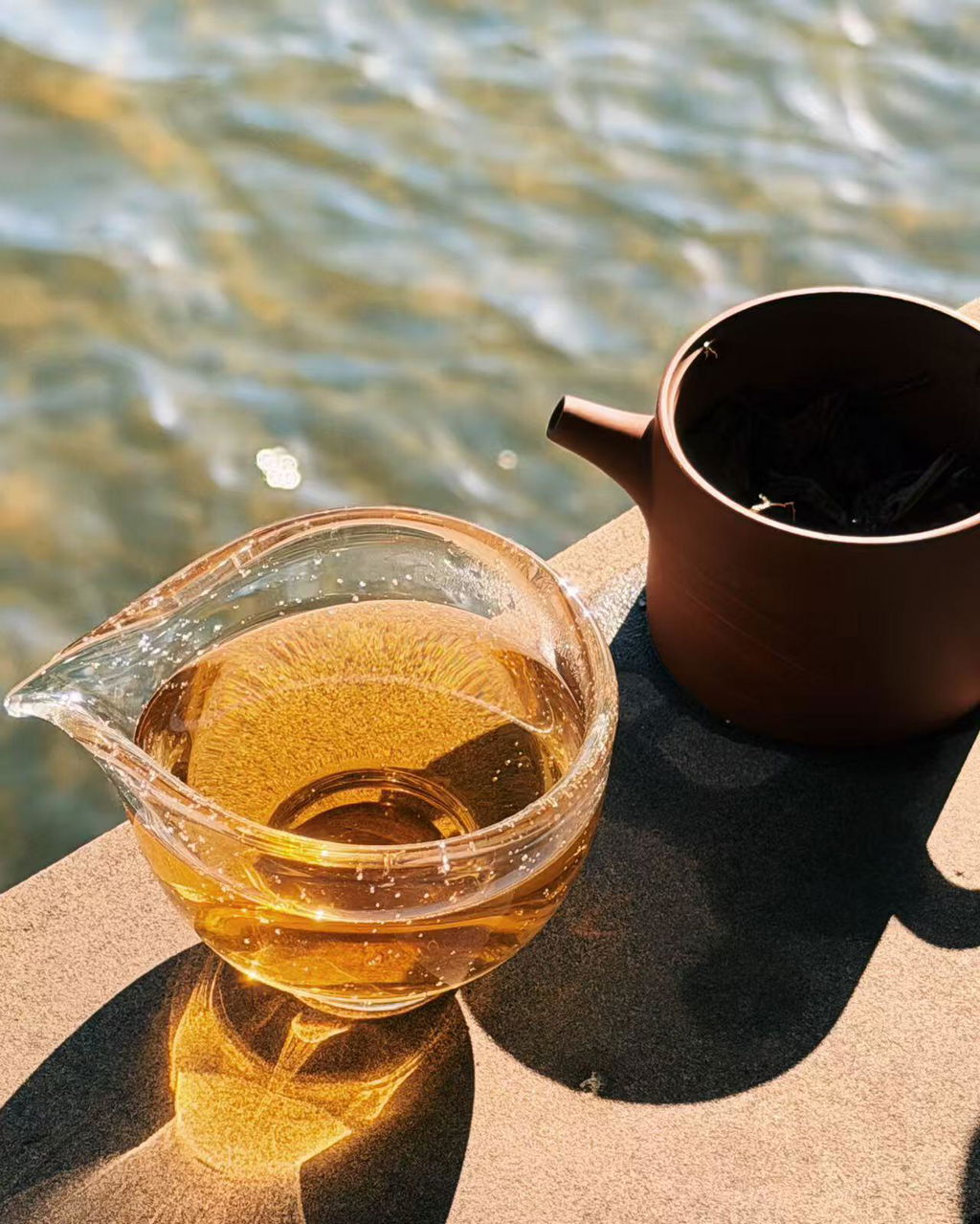
Very different from the ripe pu-erh I knew. Brighter, more floral, and a nice reminder that the word pu-erh covers a lot.
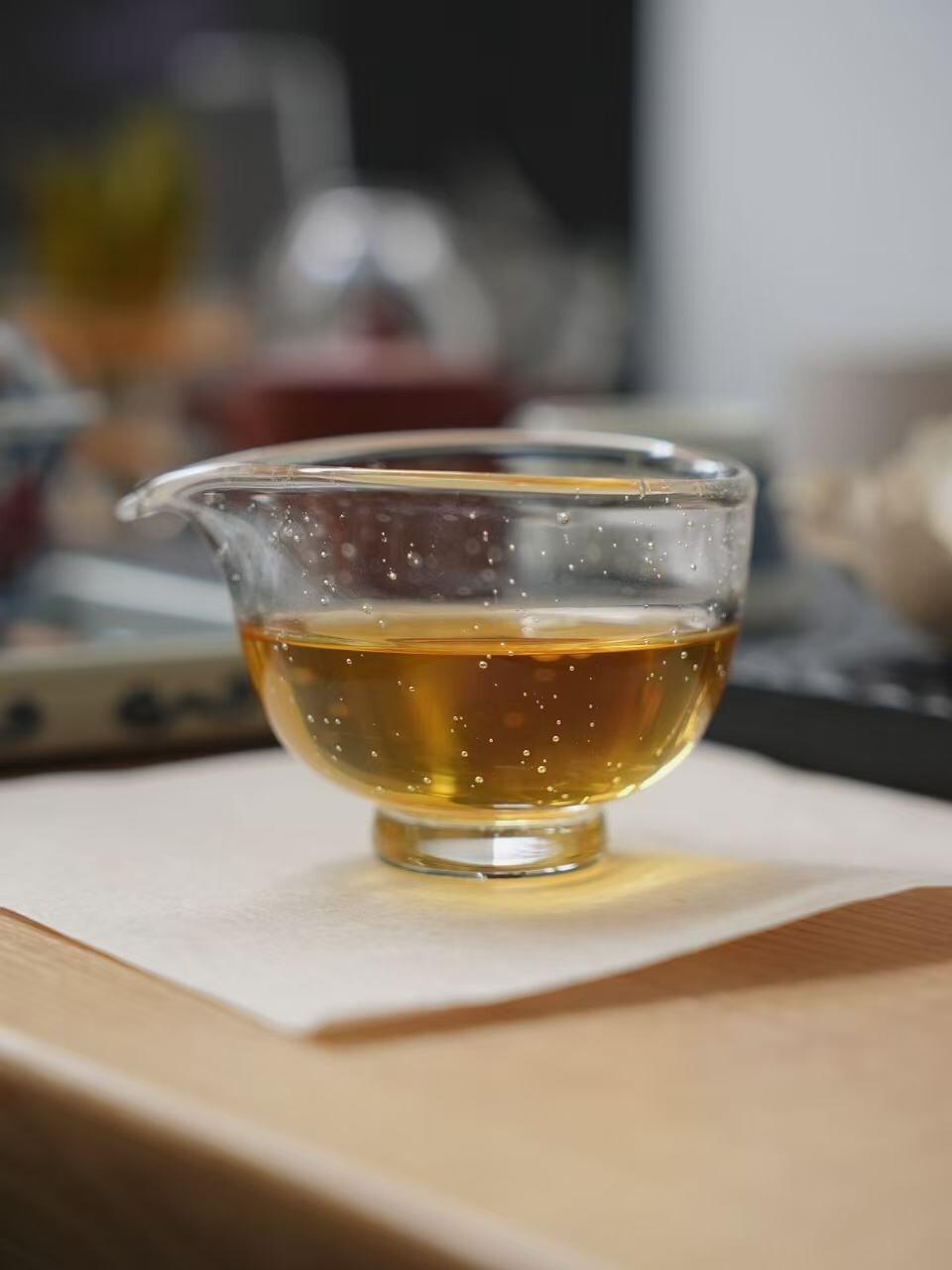
There's a light wildflower aroma over the woody base. I liked catching it when I lifted the warm lid.
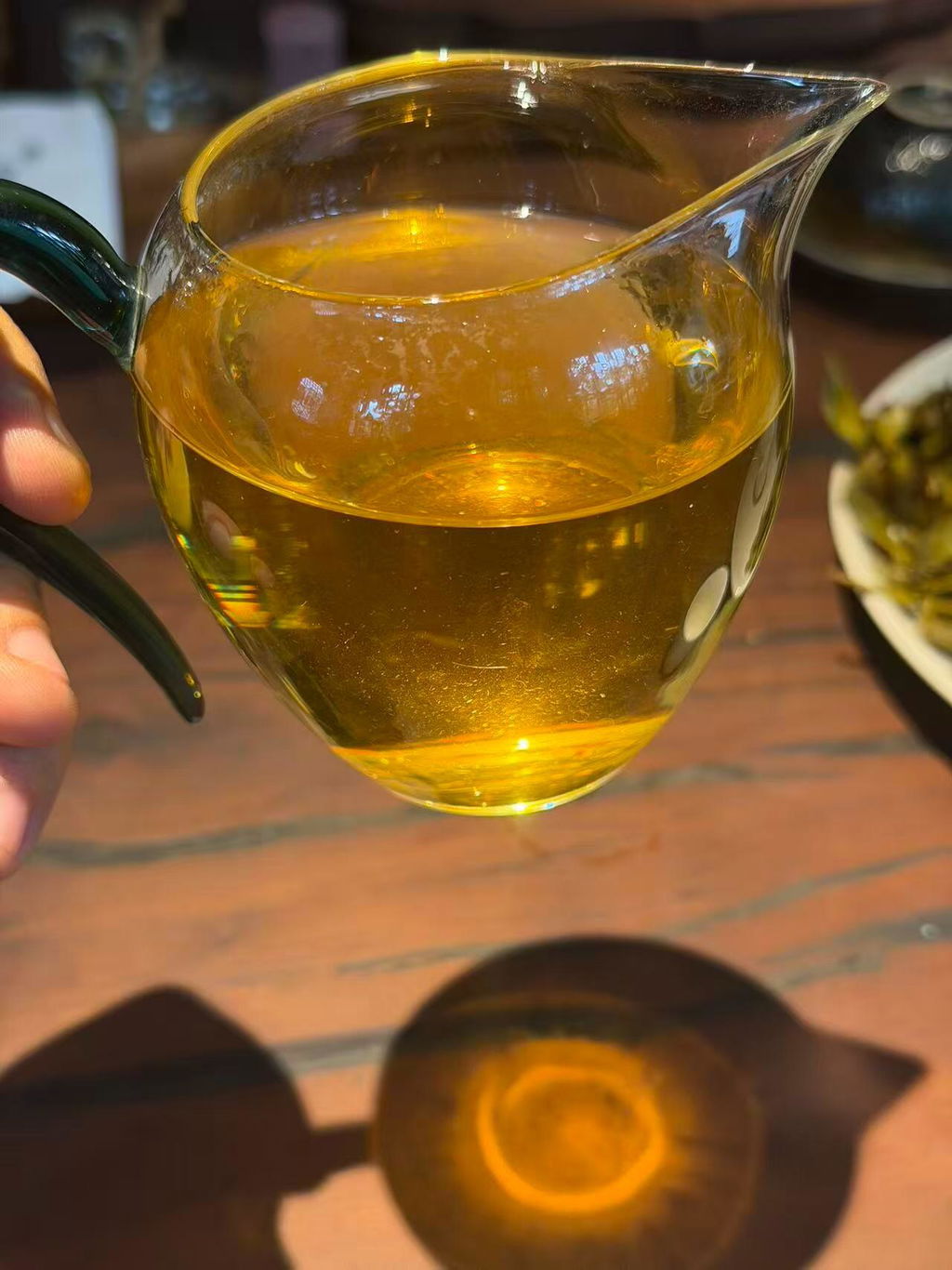
One packet and we're off. Makes trying raw pu-erh feel a lot less like homework.

Explore the Tea Guide
Explore Yiwu and Mahei’s regional tea story, follow the making of raw pu-erh, and learn what to notice in its texture and returning sweetness.
Explore the Tea Guide