
Tea guides / pu-erh tea

Yiwu Mahei Raw Pu-erh

A Yunnan Tea to Explore, One Infusion at a Time

Explore Yiwu’s mountain tea landscape, Mahei’s regional context and the making of raw Pu-erh, then follow the fruit, texture and returning sweetness in the cup.

What is Yiwu Raw Pu-erh?

Raw Pu-erh, also called sheng, begins with sun-dried tea made from Yunnan leaf material. Mahei is a village within Yiwu, in Mengla County, Xishuangbanna. This guide introduces that regional background alongside Yunsho’s Yiwu Raw Pu-erh.

Explore Yunsho’s Yiwu Raw Pu-erh
Dry loose leaves of Yiwu Raw Pu-erh Tea
Yunsho’s Yiwu Raw Pu-erh dry tea

Getting to Know Raw Pu-erh

Sheng means raw. Raw Pu-erh begins with sun-dried tea made from Yunnan leaf material. Some is kept loose, while some is steamed and pressed into shapes such as cakes.

Ripe Pu-erh takes a further managed pile-fermentation route. Raw tea can change during storage, but that gradual change and ripe-tea pile fermentation are different processes.

Dry-leaf color, shape and pale buds offer a first look at the material. The stated origin and making information help you understand more than appearance alone.

Explore the six Chinese tea categories
Dry leaves of Yunsho Yiwu Raw Pu-erh Tea on a pale surface
Yunsho’s Yiwu Raw Pu-erh dry leaves
Close view of twisted dry tea leaves and pale buds
Twisted dry leaves and buds (illustrative scene)

Mahei Within Yiwu

Yiwu is in Mengla County, Xishuangbanna, Yunnan. Mahei is one of the villages within the Yiwu tea landscape, and its name appears in discussions of the area’s tea traditions.

A village name narrows the geographical conversation. For a particular tea, the supplied production information is what connects that name with its leaf material.

This guide explores Mahei as regional background alongside Yunsho’s Yiwu Raw Pu-erh. The village sign introduces a place; it does not establish the exact plot, tree age or batch origin of the product.

Stone sign with Mahei village lettering
A Mahei village sign (regional context)
Wooded hillside with trees and dense green foliage
A wooded hillside (illustrative scene)

Yiwu and the Tea Trade

Yiwu was an important meeting point for tea production and trade. Merchants and transport routes connected its mountain communities with markets farther away.

An official account of Yiwu’s place-name heritage describes an 1836 Yong’an Bridge inscription associated with its tea trade. Such records help show how tea shaped local connections and everyday livelihoods.

That history gives the name a wider context. It does not identify the age of the leaves or the production history of the tea in your own cup.

The Landscape Behind the Leaf

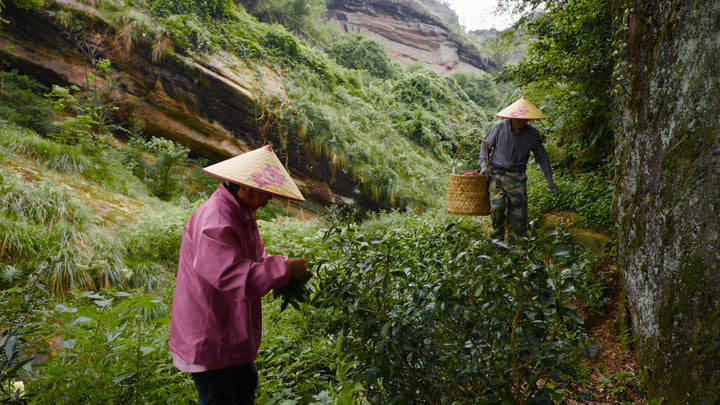
Research on Yiwu’s tea landscape describes farming communities and forest surroundings together. A wooded view offers one part of that regional conversation.

Fresh leaves let you notice the material before making: their size, tenderness and mixture of leaves and stems. These visual details invite observation without assigning a cultivar or a numerical tree age.

For an individual tea, ask for the origin and production details that accompany it. A landscape image or an impressive-looking tree cannot supply those records.

Green tea leaves and stems spread together
Fresh leaf material (illustrative scene)

From Fresh Leaf to Sun-Dried Tea

A broad making route for the raw tea base includes heat fixation, rolling and sun drying. Makers may also spread or rest the leaves at suitable points in their process.

Fixation changes enzyme activity, rolling works the leaf, and drying reduces its moisture. When tea is pressed, later steaming and shaping turn the dry material into its final form. Loose tea does not need to become a cake to be explored in the cup.

The trays and twisted leaves shown here illustrate material and handling. They do not show the actual fixation, rolling action or sun drying of Yunsho’s current tea.

Green leaves on bamboo trays arranged on metal racks
Leaves arranged on bamboo trays (illustrative scene)
Mound of twisted green tea leaves and stems
Twisted leaf material (illustrative scene)

Wildflowers, Fruit and Returning Sweetness

Yunsho currently describes its Yiwu Raw Pu-erh aroma through wildflowers, stone fruit and ripe plum. Its taste is fresh and layered, with a soft woody depth.

The structure is lively but controlled. Gentle bitterness and light astringency quickly give way to sweetness, while the finish becomes longer and more settled as the tea opens.

Take a small sip and pause after swallowing. Notice the fragrance, the texture and what remains; then compare the same cup after it cools a little. Use those observations to find the brewing strength you enjoy.

Golden tea liquor of Yunsho Yiwu Raw Pu-erh Tea in a clear pitcher
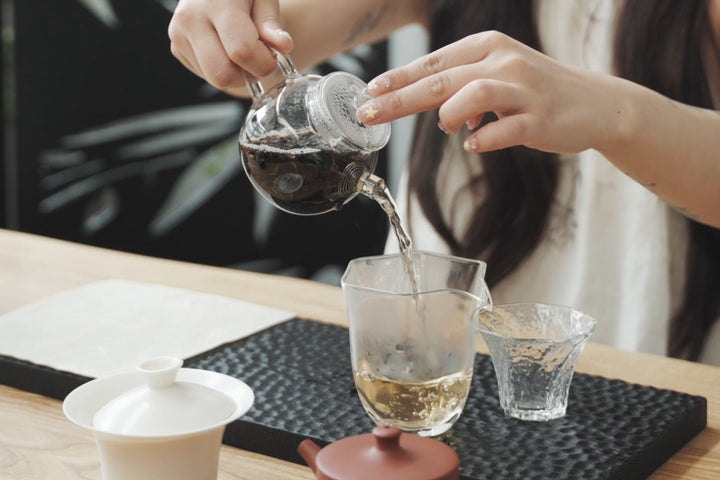
Yunsho’s Yiwu Raw Pu-erh tea liquor
Golden tea flowing into a clear glass pitcher
Tea poured into a glass pitcher (illustrative scene)

Follow the Changes Across Infusions

Separate infusions give you several views of the same leaves. Compare the first cups with later ones: aroma can shift, the texture can feel different, and the balance of bitterness, astringency and sweetness may move.

Hui gan, or returning sweetness, is one way to describe what you notice after swallowing. You can also pay attention to how long the finish stays with you.

Opened leaves provide another view of the material after brewing. Keep tasting as long as the cup interests you; there is no fixed infusion count that every tea and brewing method must reach.

Opened leaves and stems in a white gaiwan with its lid beside it
Leaves after brewing (illustrative scene)

Find a Comfortable Brewing Rhythm

A gaiwan or small teapot makes it easy to compare separate infusions. Warm the vessel, add the tea and use the guidance supplied with it as your starting point.

Pour the infusion fully away from the leaves when it reaches a comfortable strength. If the cup feels too strong or drying, shorten the next steep. If it is too light, give it more time. Change one variable at a time so that the result is easier to understand.

A larger cup or mug can also work. Use an infuser or another way to separate the leaves from the finished tea, and adjust the amount of leaf and steeping time to your vessel and taste.

Get to know the gaiwan Getting started with gongfu brewing
Glass pitcher, white cup and gaiwan arranged on a wooden tray
A small-vessel brewing setup (illustrative scene)

Common Questions

What is the difference between raw and ripe Pu-erh?

Raw Pu-erh begins with a sun-dried tea base. Ripe Pu-erh includes a managed pile-fermentation stage that changes its character before it reaches the cup. Time in storage can also change raw tea, but it is a different route from ripe-tea pile fermentation.

What does hui gan mean?

Hui gan is often translated as returning sweetness. After swallowing a sip, pause and notice whether a sweet impression develops or lingers. It describes a tasting experience, rather than an added ingredient or a promise that every infusion will feel the same.

How can I make a strong infusion gentler?

Pour the tea away from the leaves sooner on the next infusion, keeping the other variables steady. If it still feels too concentrated, use less leaf on a later session. Follow the instructions supplied with your tea and adjust toward the strength you enjoy.

Explore this tea

Yiwu Raw Pu-erh

View Yiwu Raw Pu-erh Browse Pu-erh & Liubao Tea