



Tea knowledge 绿茶
Chinese Green Tea
Explore the leaves, craft, and flavors behind Chinese green tea—and find a place to begin.
In this guide
What Makes a Tea Green?
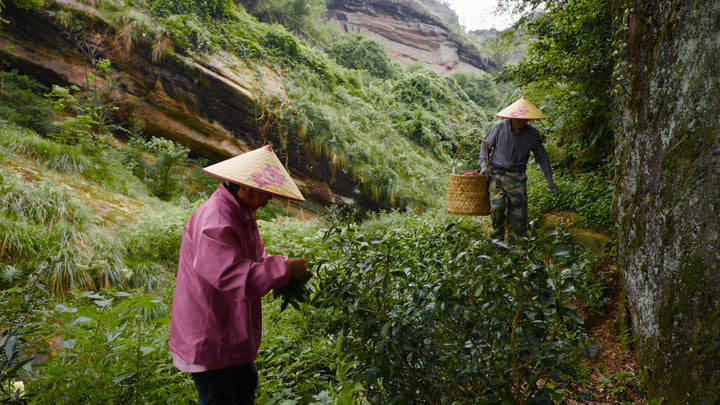
Green tea is made from the tea plant, Camellia sinensis. An early heat treatment limits enzyme activity involved in oxidation. Shaping and drying help produce the finished tea, with the sequence and handling varying by style.
That early heat treatment is called fixation, or sha qing. It helps distinguish green tea from tea styles that develop more oxidation before this stage. The name describes a way of making tea; it does not mean every green tea will look or taste alike.
What to Notice in the Cup
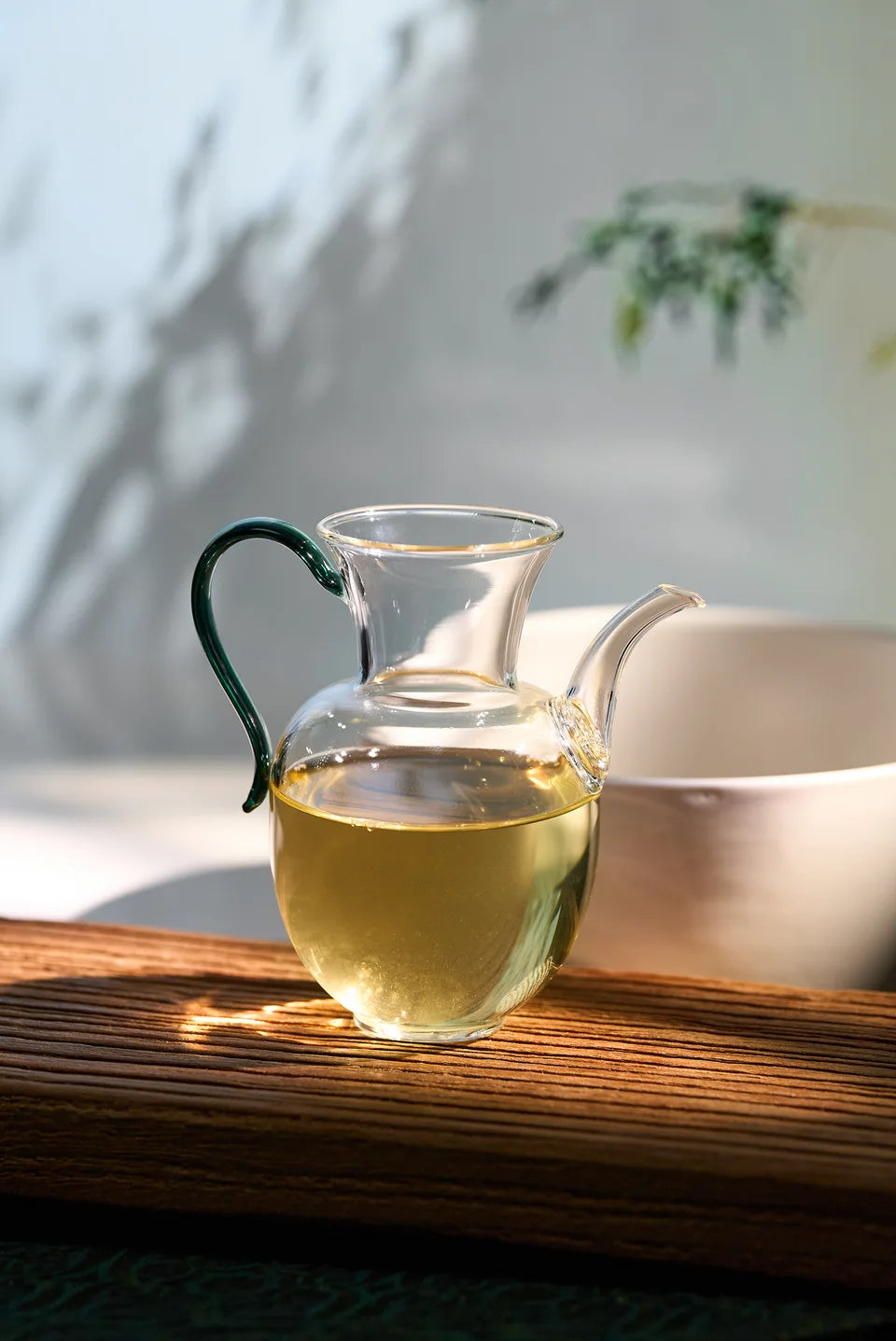
Start with the aroma. You might notice fresh leaves, flowers, or a warm, nutty note. Then take a sip and pay attention to the texture: does the tea feel light and lively, rounded, or gently drying?
Bitterness is a taste; astringency is the drying sensation in your mouth. Noticing the difference can help you describe a cup more clearly. Let the tea cool a little, then taste again. The aroma, sweetness, and finish may feel different.
You do not need to find every tasting note. Begin with what you enjoy and what you would change in the next cup.
Regions and Representative Styles
Chinese green tea includes several leaf shapes and making traditions. The examples below show different ways to explore the category.
| Tea | Origin to know | A useful distinction |
|---|---|---|
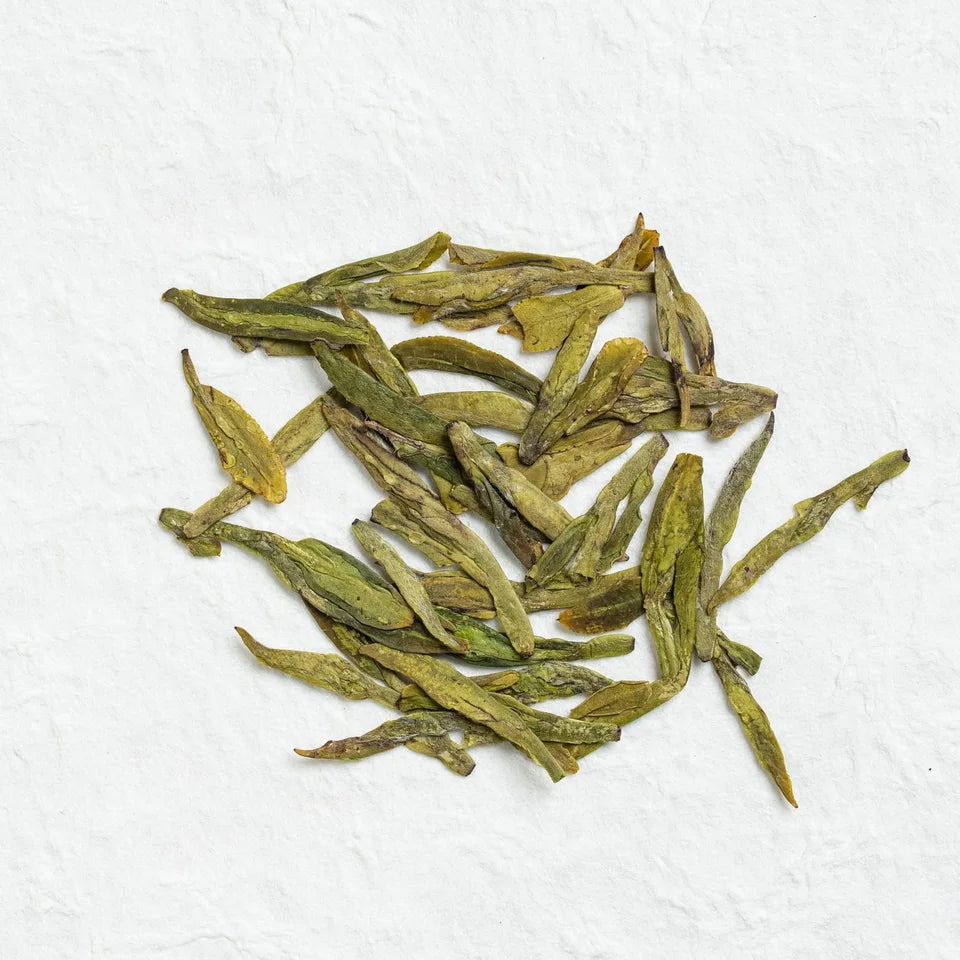
| Longjing, or Dragon Well | Zhejiang | Flat leaves; West Lake refers to a particular origin within the wider Longjing family. |
| Dongting Biluochun | Jiangsu | Fine, curled leaves with visible pale hairs; a contrast with Longjing's flat form. |
| Huangshan Maofeng | Anhui | Bud-and-leaf material with a gently curved appearance. |
| Lu'an Guapian | Anhui | A leaf-focused style shaped into individual pieces; buds are removed in the traditional making described for this tea. |
| Taiping Houkui | Anhui | Large, flat, elongated leaves; a useful reminder that a larger leaf can be part of a tea's intended style. |
| Anji Bai Cha | Zhejiang | Pale spring growth behind the name; the finished tea belongs to the green-tea category. |
| Enshi Yulu | Hubei | Steam is used for fixation, showing that Chinese green tea is not limited to pan heating. |
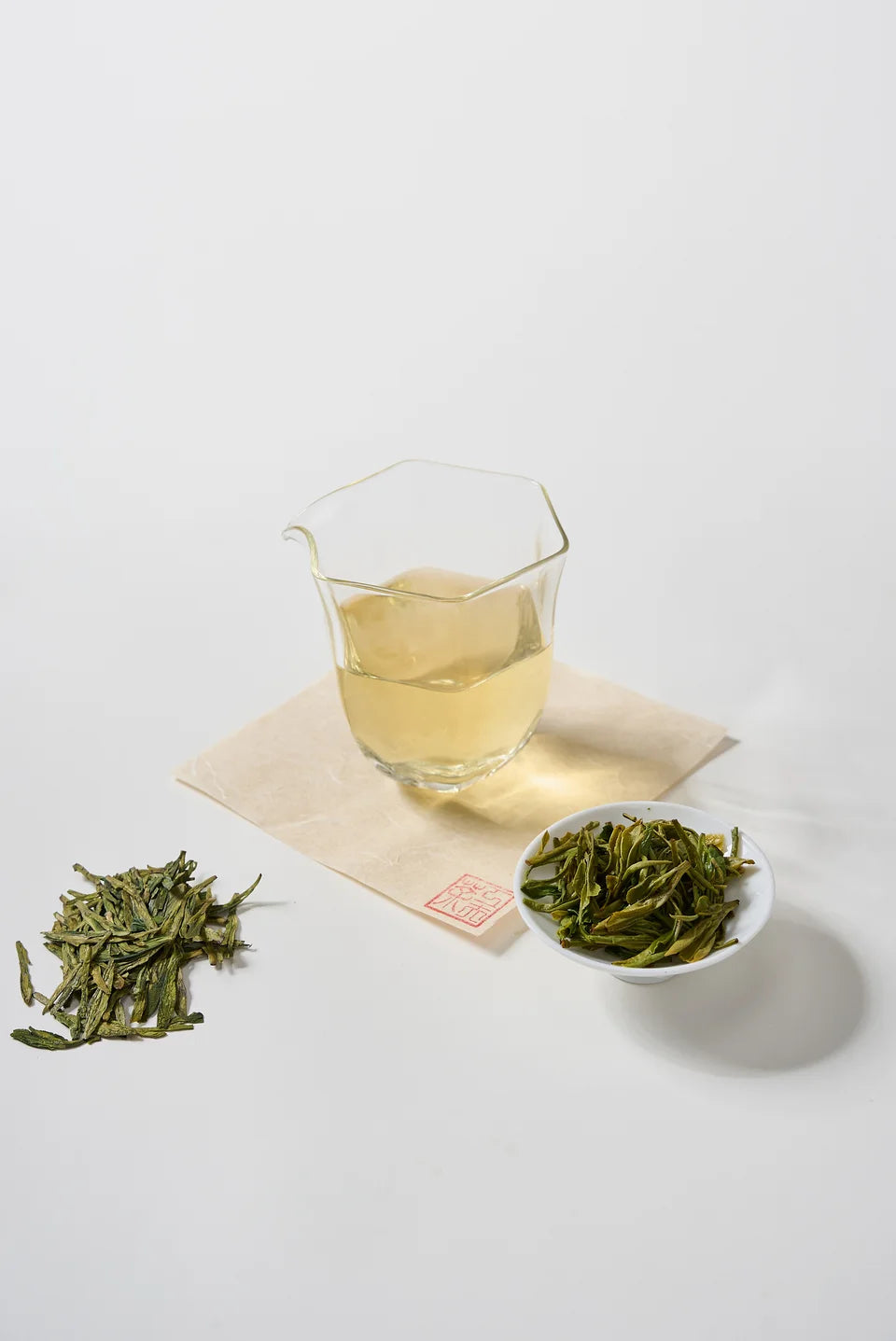
Leaf shape can help you identify a style and understand how it was made. It cannot tell you everything about quality or taste. Compare the dry leaves, how they open, and the cup itself.
From Fresh Leaf to Finished Tea
Fixation is one important step, but the finished tea also reflects how the leaves are handled, shaped, and dried.
Pan heating and steaming are two ways to apply heat during fixation. Enshi Yulu provides a Chinese example of steam fixation. Drying later in the process can use pan heat, baking, or sun drying in different green-tea styles. A term describing fixation does not necessarily describe the whole process.
As you explore a tea, connect the making to something you can observe—the outline of the dry leaf, the leaves opening in water, or the character of the cup. A process name gives you context; tasting helps you discover your preference.
Harvest, Cultivar, and the Name on the Tea
An origin name identifies a place; a cultivar identifies a cultivated variety of the tea plant. A harvest description adds information about when and what was picked. These details answer different questions.
A bud-focused tea and a leaf-focused tea are not trying to look the same. Lu'an Guapian is a useful example: removing buds is part of its traditional making, rather than evidence that something valuable is missing.
Look for a clear description of the particular tea. Leaf size, an early harvest, or a famous name can provide context, but none replaces evaluating the finished tea on its own terms.
Choosing Your First Chinese Green Tea
Begin with a few practical questions:
What kind of cup sounds appealing: fresh and lively, softly floral, or gently nutty?
Do you want to make a mug of tea, or compare several small infusions?
Does the tea have a clear description and brewing guidance you can follow?
Use those answers to narrow the choice. When comparing two teas, look at the origin and tasting notes alongside the leaf style. A famous name can be a starting point for learning; your own cup will tell you what you enjoy.
How to Start Brewing
Use the guidance supplied with your tea for the amount of leaf, water, temperature, and time. A mug with an infuser and a small gaiwan need different approaches. A gaiwan is a Chinese lidded bowl used to brew and pour tea.
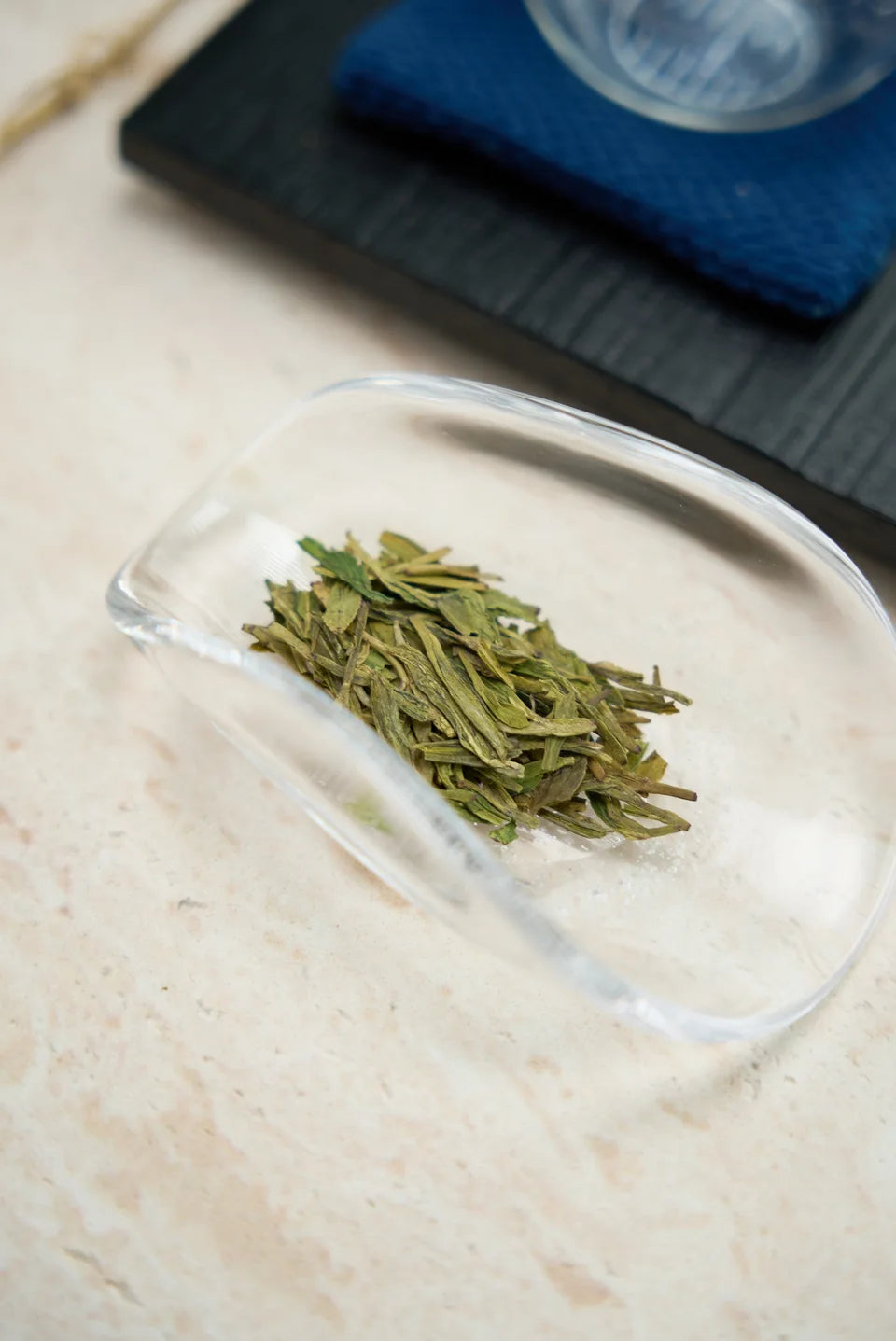
For a flat-leaf Longjing, these are two possible starting setups. Use one complete method rather than combining the leaf amount from one with the timing from the other.
| Method | Leaf and water | Water temperature | First infusion |
|---|---|---|---|
| Mug or small pot | 1.5 g in 250 ml, about 8.5 US fl oz | 185°F / 85°C | 3 minutes, then strain |
| Short, repeated infusions | 4 g in 110 ml | 185°F / 85°C | 15 seconds, then pour out completely |
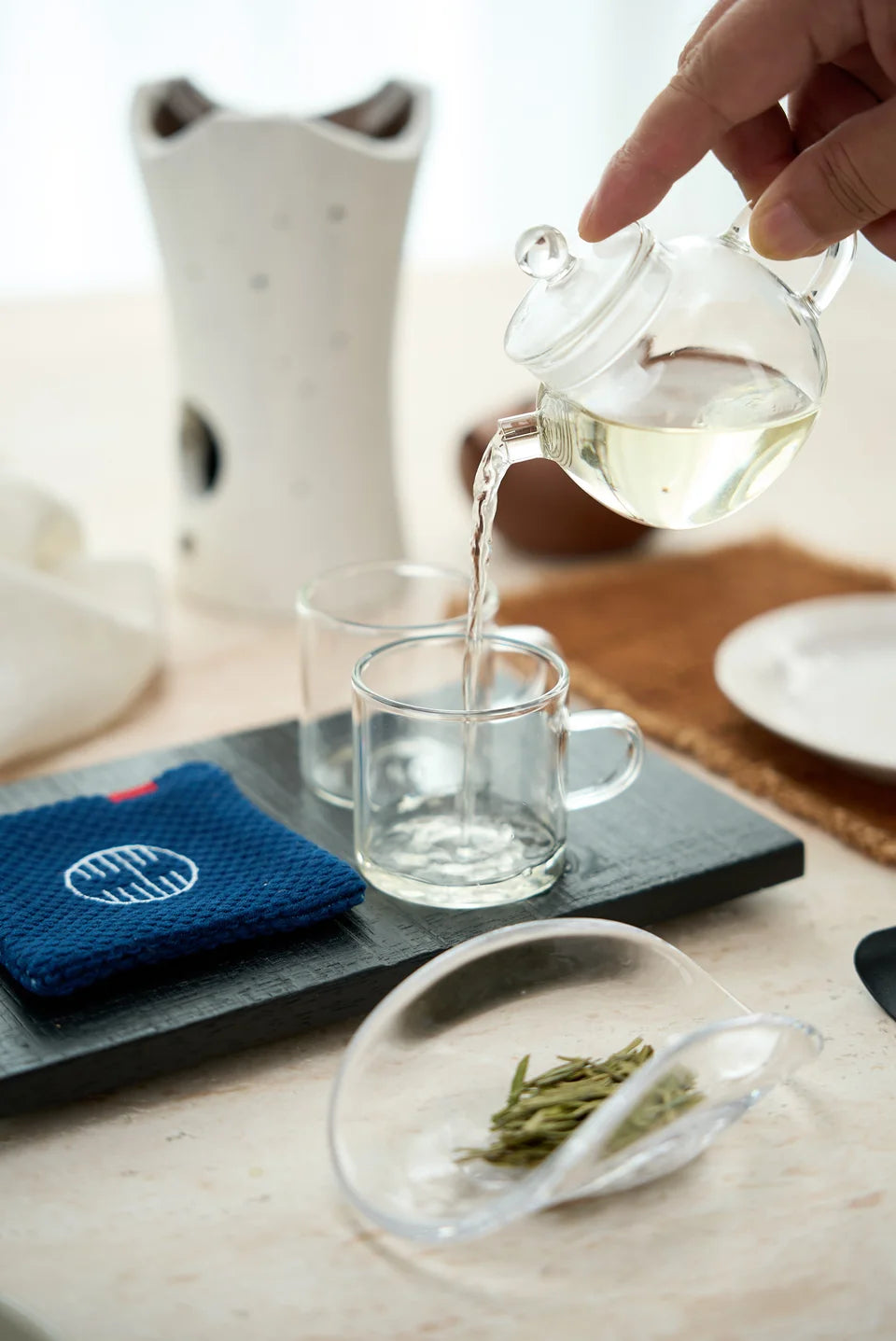
Measure the water you actually pour, add it to the leaves, and time the infusion. These examples are for a particular Longjing style, not a single recipe for every green tea. Follow the instructions for your tea if they differ; another leaf shape or making tradition can need a different approach.
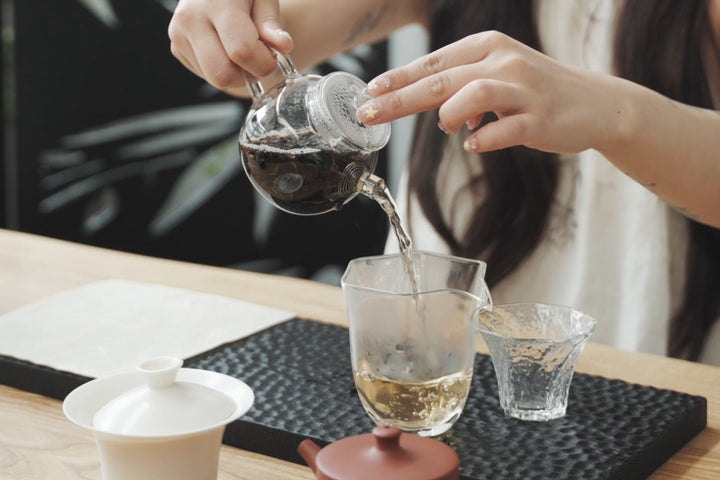
For a mug, give the leaves room to open and remove the infuser when the tea reaches a strength you enjoy. For a gaiwan, pour the tea fully into your cup or serving pitcher between infusions.
If the cup feels too strong or drying, try a shorter steep. If it tastes too light, give it a little more time. Change one thing at a time so you can tell what helped.
Water can affect the result, too. If the same tea tastes quite different in a new place, consider the water as well as the brewing. There is no single temperature that settles every question about green tea.
Keeping the Leaves Fresh
Keep the dry tea well closed, away from moisture, strong odors, light, and heat. Follow the storage instructions supplied with its packaging.
If you refrigerate a sealed package, allow it to reach room temperature before opening it to help limit condensation. There is no need to turn storage into a complicated ritual: protecting the leaves and keeping the package dry are useful places to begin.
A Cup to Pay Attention To
Chinese tea culture includes growing, making, drinking, and sharing tea. You can begin with the last two.
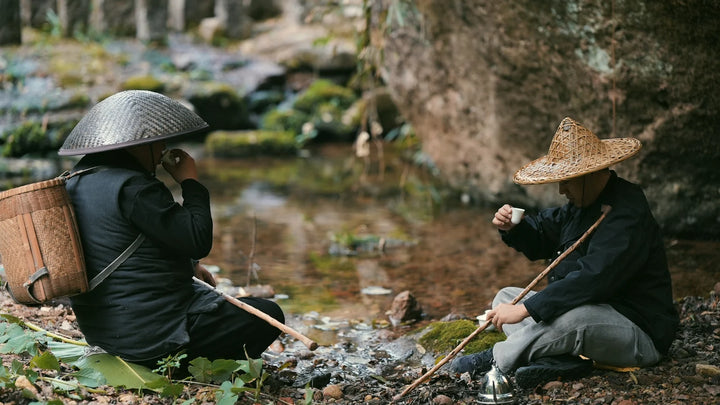
Watch the leaves open. Compare the first sip with a later one. Share a cup and notice how another person describes it. Learning the place names and craft becomes more rewarding when you have a cup of tea to connect them to.
Common Questions
Can I steep green tea more than once?
You can try another infusion with the same leaves and see how the flavor develops. The number of cups you enjoy will depend on the tea, how you brew it, and how light you like the result.
Is a grassy flavor the only thing to expect?
Green tea has a wider range of aromas and tastes. Use the individual tea’s description as a starting point, then notice its aroma, texture, and finish in your own cup.
Do I need to start with expensive teaware?
Begin with a vessel that lets you control the brew. A mug with a removable infuser is one option; a gaiwan is another way to explore separate infusions.
Does green tea contain caffeine?
Yes. Green tea contains caffeine. The name “green tea” and a pale-colored cup do not establish the amount; the particular leaves and brewing conditions matter.
Continue Exploring
Choose a difference to explore next: flat and curled leaves, a bud-and-leaf tea and Lu'an Guapian, or different methods of fixation. The Longjing and Anji Bai Cha guides offer further reading on two of these styles.
If you have a style in mind, browse Yunsho’s current green-tea selection.