



Tea knowledge 黄茶
Chinese Yellow Tea
Yellow tea is a category with its own making traditions, from slender bud-focused teas to larger-leaf styles. Its defining idea is yellowing: a controlled stage in production that helps develop the finished tea.
In this guide
What Makes a Tea Yellow?
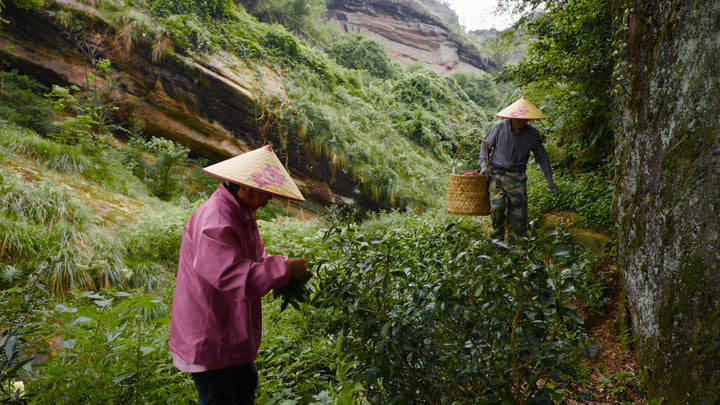
Yellow tea is made from Camellia sinensis, the same tea plant used for green, white, oolong, black, and dark tea. Its making includes an early heat treatment, often called fixation or sha qing, as well as a yellowing stage known as men huang.
During yellowing, the maker manages warmth and moisture in the leaves. Wrapping, piling, or other handling can be part of that work, depending on the style. This is a deliberate production stage, rather than simply leaving a green tea to become old.
The word “yellow” describes more than the color of a drink. Green, white, or other teas can produce yellow-looking liquor. Processing is the more useful starting point when you want to understand the category.
What Happens During Yellowing?
Yellowing is often introduced as the step that separates yellow tea from green tea. That is helpful, but it does not mean every yellow tea follows one identical sequence.
The stage can occur at different points after fixation, including around rolling or partial drying. The leaf’s moisture, the surrounding conditions, and the maker’s handling all matter. Some traditions repeat yellowing and drying rather than using one uninterrupted step.
Junshan Yinzhen, for example, has a documented tradition with two yellowing stages. That is a useful example of a particular craft, not a rule requiring every yellow tea to be wrapped twice.
A short description such as “lightly fermented” may appear in tea introductions. It does not supply a standardized oxidation percentage, nor does it make yellow tea the same process as a lightly oxidized oolong or a microbially fermented dark tea.
Three Groups to Explore
Yellow tea is often introduced through three groups: yellow bud tea, small-leaf yellow tea, and large-leaf yellow tea. These names provide a map of material and style, rather than a ladder from best to worst.
| Group | Representative names | What to notice |
|---|---|---|
| Yellow bud tea, or huang ya cha | Junshan Yinzhen in Hunan; Mengding Huangya in Sichuan | Bud-focused finished forms and the particular yellowing tradition behind each tea. |
| Small-leaf yellow tea, or huang xiao cha | Beigang Maojian and Weishan Maojian in Hunan | A way to explore yellow tea beyond the most familiar bud-focused examples. |
| Large-leaf yellow tea, or huang da cha | Huoshan Huangdacha in Anhui | A larger-leaf direction within the category; leaf size is part of the intended style. |
Junshan Yinzhen is associated with the Yueyang area of Hunan, including Junshan Island and surrounding production communities. Mengding Huangya provides a different regional tradition in the Ya'an area of Sichuan. Their shared place in the bud-tea group does not mean they are the same tea.
The larger-leaf direction matters too. If you know yellow tea only through fine buds, Huoshan Huangdacha broadens the picture. A complete introduction should include this contrast even when a shop offers only one style—or none at all.
Reading a Tea Name
A name may tell you about a place, a leaf shape, or a historical style without fully describing current processing. If a label uses huang ya, meaning “yellow bud,” ask how that particular tea was made.
Huoshan Huangya and Huoshan Huangdacha are different names; do not silently substitute one for the other. For a tea whose category is unclear from the label, look for an account of fixation, yellowing, and drying rather than deciding from the word “yellow” alone.
Likewise, Yinzhen means “silver needle” and appears in more than one tea name. Junshan Yinzhen is a yellow-tea example; Baihao Yinzhen, commonly called Silver Needle, is a white tea. Similar-looking English names do not make their processing identical.
What to Notice in the Cup
Begin with the aroma, then the taste and texture. Yellow tea is often introduced through a mellow, rounded cup, but one description cannot cover every regional style or brewing method.
Notice whether the aroma feels fresh or warm, whether sweetness seems clearer as the cup cools, and how drying or rounded the liquor feels. These observations are more useful than trying to find a tasting note you have been told must be present.
Compare the dry material with the brewed leaves. Buds and larger leaves create different visual starting points. The liquor’s color can be interesting to observe, but a deeper yellow is not by itself a quality score or proof of authentic yellowing.
Choosing a Place to Begin
Choose according to the question that interests you. A bud-focused tea can introduce you to Junshan or Mengding making. A small-leaf or large-leaf tea can help you see how much the category extends beyond those two names.
Look for a seller who explains the specific tea: its origin, material, production approach, and suggested brewing. A clear account of yellowing is more informative than a general claim that the tea is rare.
For comparison, you might try a clearly documented yellow tea alongside a green tea. Keep the brewing conditions recorded and notice the differences. Because the material and making may differ in several ways, the result is an exploration—not proof that yellowing alone caused every change you taste.
A Practical Brewing Start
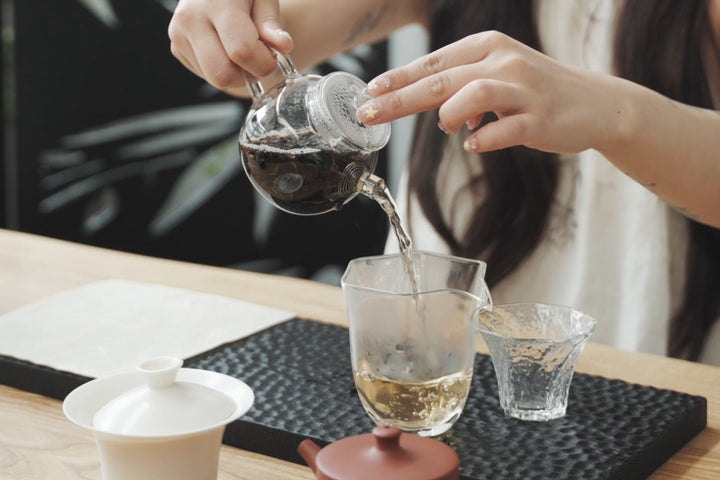
A mug with a removable infuser or a small teapot is enough to begin. Choose a vessel with room for the leaves to move, and use the amount of water you actually pour.
For a bud-focused Junshan Yinzhen, one possible cup-brewing starting point is:
| Leaf | Water | Temperature | First steep |
|---|---|---|---|
| 5 g | 355 ml, about 12 US fl oz | 185°F / 85°C | 3 minutes, then strain |
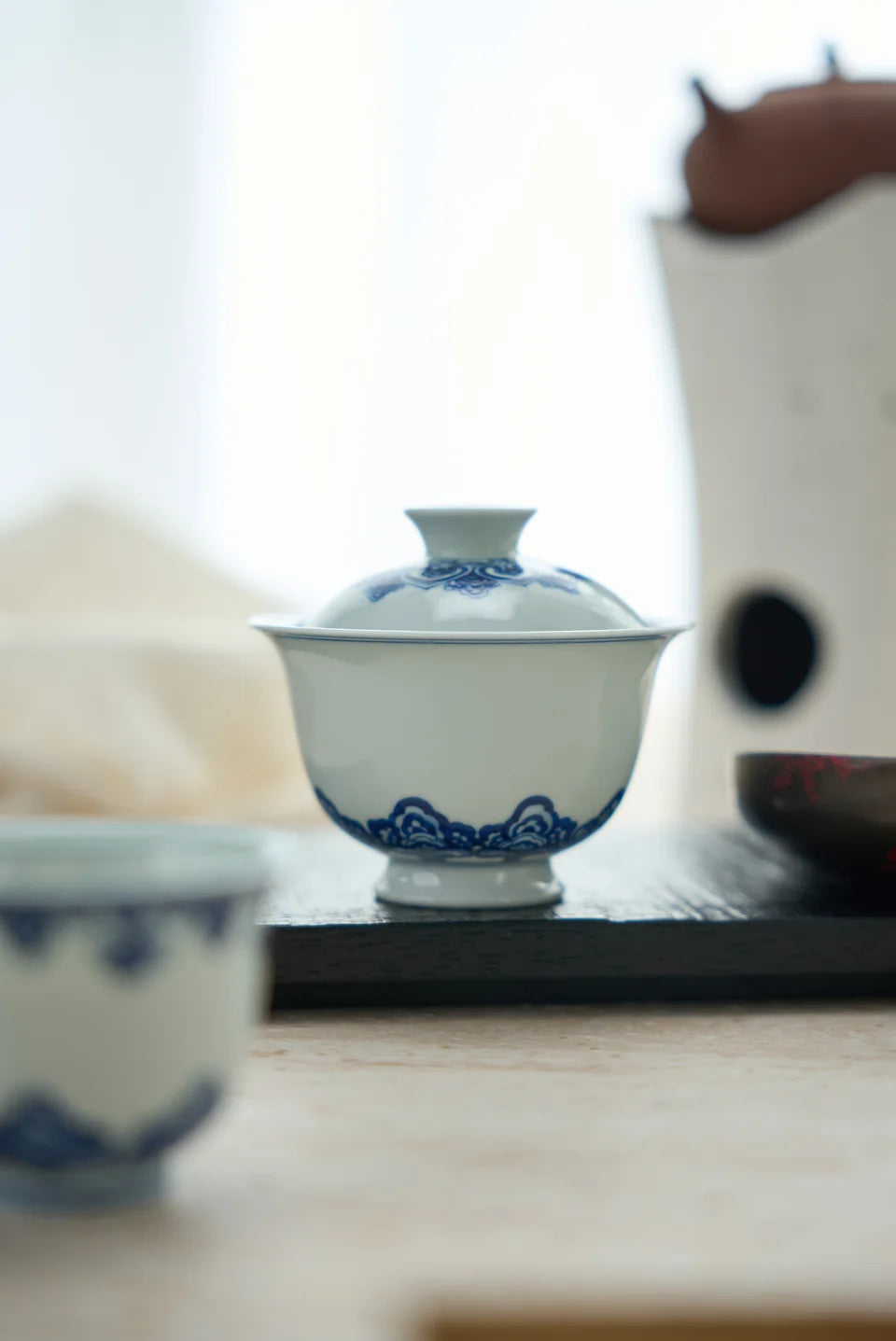
Add the water, time the steep, and separate the liquor from the leaves. Taste once it has cooled comfortably. Follow the instructions for your particular tea when they differ.
This example is not a universal recipe for small-leaf or large-leaf yellow tea. It is also different from short, concentrated gaiwan brewing. A gaiwan is a Chinese lidded brewing bowl; a method using more leaf in less water needs its own timing.
If the cup is too strong or drying, shorten the next steep. If it is too light, add a little time. Keep the leaf amount, water, and temperature steady while testing that change. You can try another infusion and compare it without expecting a guaranteed number of satisfying cups.
Keeping the Leaves at Home
Keep yellow tea well closed, dry, and protected from strong odors, light, and heat. Follow the supplier’s storage instructions and buy an amount you can use comfortably.
The warmth and moisture used by a maker during yellowing are not instructions for home storage. Adding humidity to a package does not continue the craft in a controlled way.
A harvest date and an opening date can help you keep track of the tea. There is no single household storage period that establishes the best flavor for every yellow tea.
Learning Through a Shared Cup
A simple tasting can connect the names to the craft. Brew one yellow tea, look at its leaves, and compare descriptions with someone else. Then read about the particular region or making tradition with that cup in mind.
If you later try another group, keep a short note of what changed. This makes the category more tangible than treating yellow tea only as an unusual name to collect.
Common Questions
Is yellow tea the same as aged green tea?
No. Yellow tea includes deliberate yellowing during making. Ordinary storage is not a substitute for that controlled production stage.
Is every Silver Needle a white tea?
No. Baihao Yinzhen is a white tea, while Junshan Yinzhen is a yellow-tea example. Read the full name and processing description.
Is yellow tea caffeine-free?
No. It is made from the tea plant and contains caffeine. A pale cup does not establish a low caffeine content.
Does rarity mean better quality?
Rarity can affect availability, but it does not tell you whether you will enjoy the tea. Look at the particular tea’s making, condition, and cup.
Continue Exploring
Use Types of Chinese Tea to compare yellow tea’s making with the other five categories. The Tea Guides directory offers closer reading on particular teas and their traditions.