


Tea guides / black tea

Feizi Xiao

Wuyi Black Tea with a Lychee-Like Aroma

Follow the literary name, Wuyi background and leaf-to-cup craft behind a fragrant black tea, then explore its fruit aroma and smooth texture.

What is Feizi Xiao?

Feizi Xiao is a Wuyi black tea described through a lychee-like aroma, ripe-fruit and honey notes, and a smooth, rounded cup. “Lychee-like” is a tasting comparison, not an ingredient declaration.

Explore Yunsho’s Feizi Xiao
Dry loose leaves of Feizi Xiao Wuyi Black Tea
Yunsho’s Feizi Xiao dry tea

Meet Feizi Xiao

Feizi Xiao is a fragrant expression of Wuyi black tea. Its tasting language often starts with lychee-like fruit, then moves toward honeyed sweetness and a smooth, rounded cup.

If you usually drink black tea with milk, try a small cup on its own first. Let it cool slightly, take another sip, and notice how the aroma and texture change.

Explore the six Chinese tea categories
Dark twisted tea leaves on a patterned white plate
Dark rolled tea leaves (illustrative scene)

A Name Borrowed from a Poem

Feizi Xiao means the smile of an imperial consort. The name recalls Du Mu’s Tang-dynasty poem about a rider bringing lychees to the court, an image associated with Yang Guifei.

For the tea, that literary image offers a way to imagine its fruit-led fragrance. It describes an association with lychee; it is not an ingredient list or a claim that this tea was served at the Tang court.

Wuyi and Its Black-Tea Tradition

Wuyi, in northern Fujian, is closely connected with black-tea history. Tongmu in the Wuyi mountain area is associated with the origins of Lapsang Souchong.

That regional background helps place Feizi Xiao within a wider tea tradition. A tea’s name alone, however, does not identify its particular village, garden or batch. Yunsho’s linked product is described as Wuyi black tea.

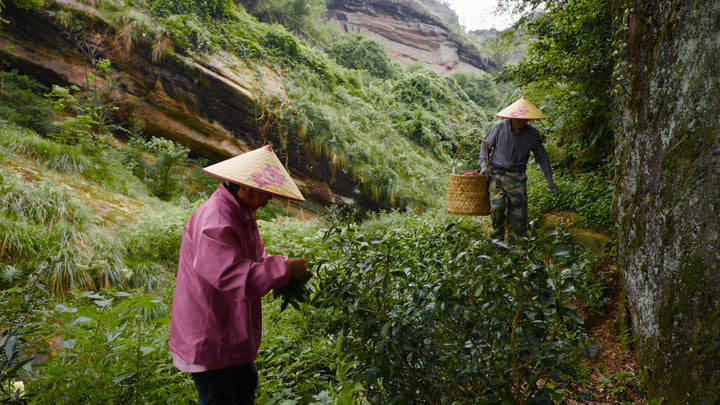
People carrying baskets through tea bushes between rocky slopes
A rocky tea-growing landscape (illustrative scene)

Understanding the Lychee-Like Aroma

Tea leaves contain many aroma compounds, and processing changes the fragrance that reaches the cup. Floral, fruity and honey-like impressions can arise in black tea without those foods appearing as pieces in the brew.

Think of the light, sweet fragrance of a freshly peeled lychee as a tasting reference. “Lychee-like” describes a resemblance in aroma; it does not establish whether a particular product contains added ingredients. Use the product’s ingredient information for that question.

Dry loose leaves of Yunsho’s Feizi Xiao Wuyi black tea
Dry leaves from Yunsho’s Feizi Xiao

From Fresh Leaves to Rolled Leaves

Black-tea making commonly begins with withering: the leaves lose moisture and become softer. Their changing condition prepares them for the next stages.

Rolling shapes the leaves and disrupts some of their cells, bringing enzymes and other leaf compounds into contact. The photographs here illustrate leaf handling; they do not identify the maker or production batch of Yunsho’s tea.

Fresh green leaves spread across a bamboo tray
Fresh leaves spread on a tray (illustrative scene)
Hands handling curled leaves in a wooden container
Leaves being handled by hand (illustrative scene)

Oxidation and Drying

After rolling, oxidation develops the color, aroma and taste associated with black tea. The stage often called fa jiao, or fermentation, in tea making is mainly enzymatic oxidation in this context.

Drying reduces moisture and helps finish the tea’s character. Makers adjust their handling to the leaves and the intended style. These are general black-tea stages; a smoky aroma or its absence should not be inferred from a photograph of processing equipment.

Dark rolled tea leaves being lifted over a metal surface
Dark leaves being handled (illustrative scene)

What to Notice in the Cup

Begin with fruit aroma, then pay attention to texture and the sweetness that remains after swallowing. Yunsho’s product description highlights lychee, ripe fruit and honey, with a soft, rounded feel and a clean finish.

The depth of the amber or orange-red color changes with the infusion. Try another sip as the tea cools and compare the fragrance above the cup with the aroma you notice while drinking.

Amber tea being poured into a clear glass pitcher
Amber tea in a glass pitcher (illustrative scene)
Brewed Feizi Xiao Wuyi black tea
Yunsho’s Feizi Xiao in the cup

How to Start Brewing

A mug gives you a simple everyday cup. A small teapot or gaiwan lets you explore several short infusions and compare the tea’s changing character.

Separate the tea from the leaves when it reaches the strength you enjoy. With a gaiwan or small pot, pour promptly and drain well; adjust later infusions according to taste. Use the linked product’s current brewing guidance for its dose, water temperature and timing.

Smell the empty cup, too. Let the tea cool a little and notice which fruit or honeyed impression stays with you.

Get to know the gaiwan Getting started with gongfu brewing
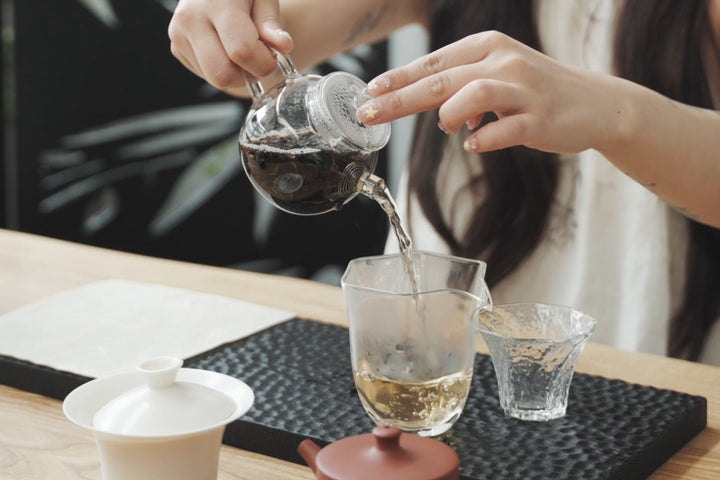
Tea being poured from a glass pitcher into a small ceramic cup
Pouring tea into a small cup (illustrative scene)

Common Questions

Does “lychee-like” mean lychee has been added?

“Lychee-like” is a tasting description, not an ingredient declaration. Tea aromas can resemble fruit, flowers or honey. Check the particular product’s ingredient information rather than inferring its ingredients from the tasting note.

Is all Wuyi black tea smoky?

Wuyi is a region, not a single smoke profile. Lapsang Souchong is familiar to many drinkers in a smoked style, but a regional name alone does not tell you how a particular tea was processed. Read the specific product description and taste the tea.

Should I brew it in a mug or a gaiwan?

Both are useful. A mug makes a straightforward daily cup; a gaiwan or small pot supports several short infusions. Keep the vessel, tea amount and steeping time consistent when comparing cups, then adjust one variable at a time.

Explore this tea

Feizi Xiao

View Feizi Xiao Browse Chinese Black Tea