



Tea knowledge 红茶
Chinese Black Tea
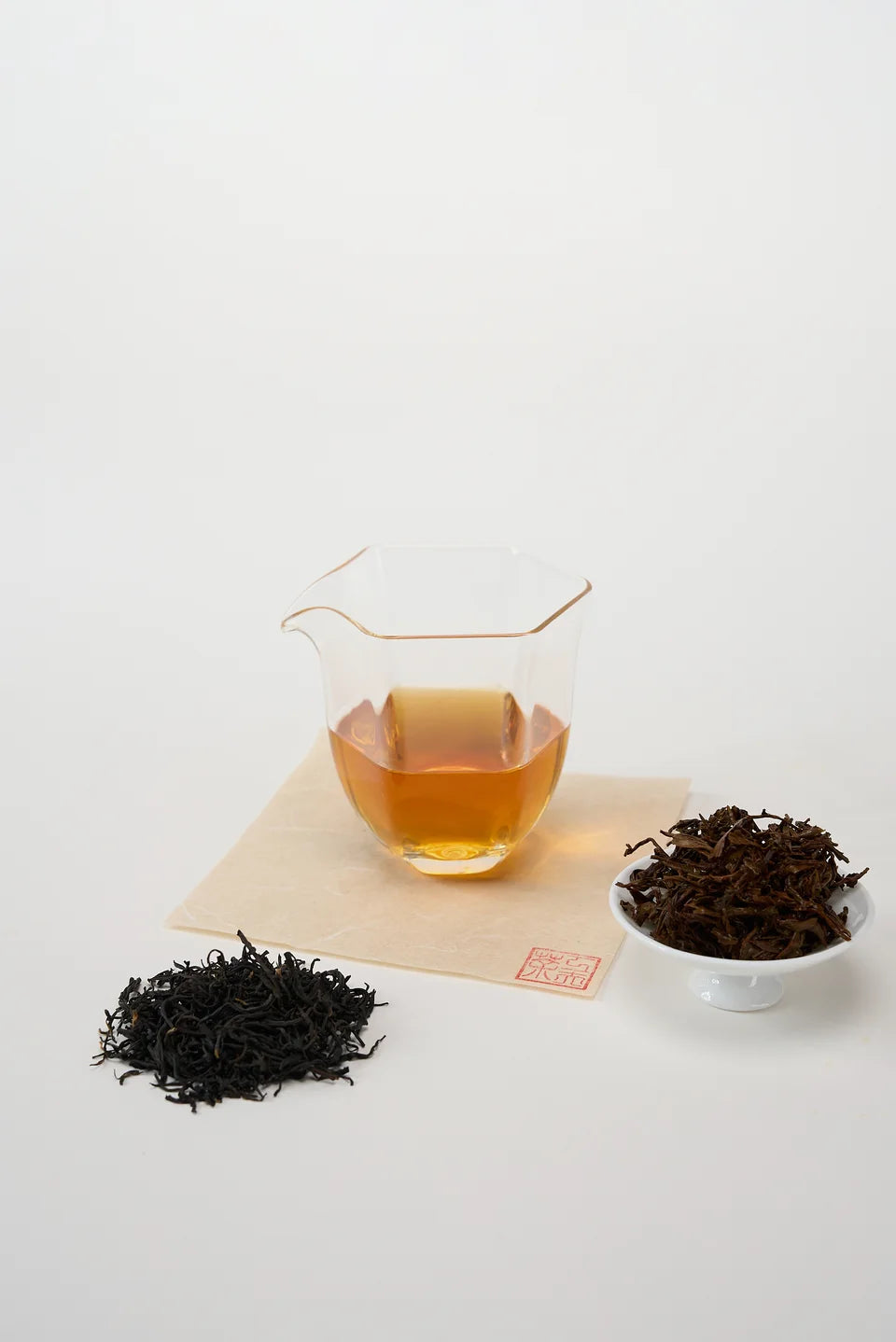
Chinese black tea offers more than one kind of strong, dark cup. Its regional traditions include different leaf materials, shapes, drying choices, and approaches to aroma.
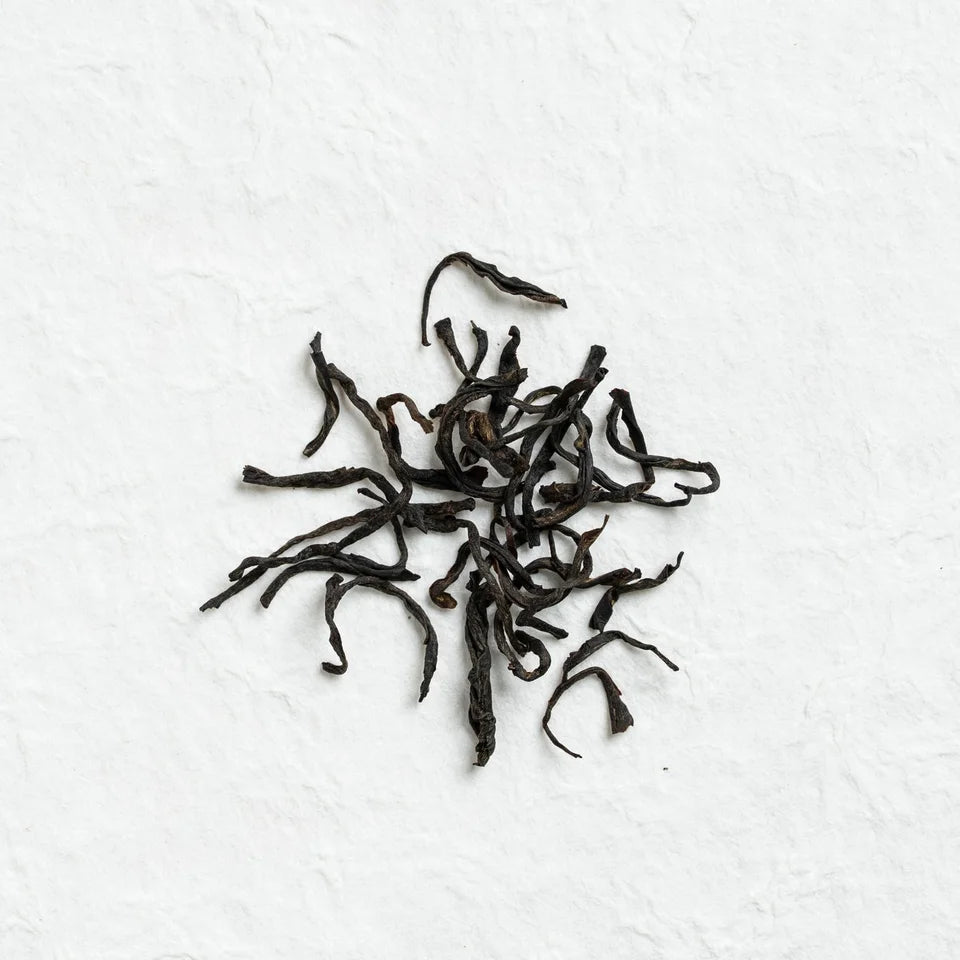
In this guide
Black Tea in English, Hong Cha in Chinese
The tea usually called black tea in English is hong cha—literally “red tea”—in Chinese. These names refer to the same broad category. Chinese hei cha, usually translated as dark tea, is a different category associated with microbial post-fermentation.
Black tea is made from Camellia sinensis. Its making develops substantial oxidation before drying. That process helps distinguish it from green tea, in which an early heat treatment limits the enzyme activity involved.
The familiar phrase “fully oxidized” describes the category broadly. It should not be read as a laboratory measurement proving that every possible change has reached exactly 100 percent.
How the Leaves Become Black Tea
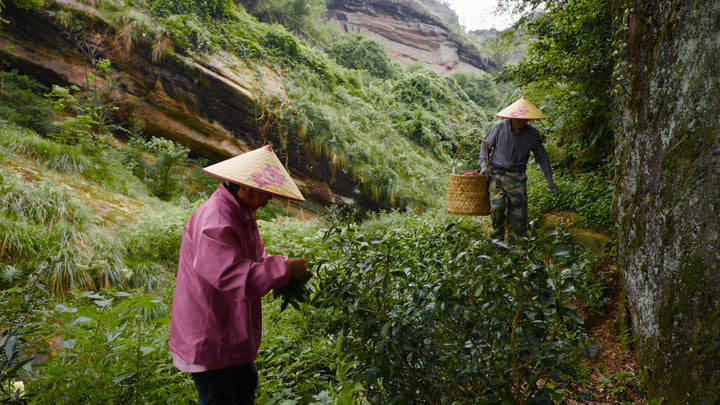
A common outline is withering, rolling, oxidation, and drying. Withering changes the moisture and condition of the leaf. Rolling shapes and disrupts it, helping the changes associated with oxidation develop. Drying brings the tea toward its finished state.
Chinese descriptions may call the oxidation stage “fermentation.” In this context, the main distinction is the leaf’s enzyme-driven oxidation, rather than the microbial processing central to many dark teas.
Making may continue beyond the initial tea. Qimen’s traditional craft, for example, includes refinement such as sorting and blending as well as the initial processing. A neat finished appearance can reflect this later work.
Drying choices also matter. Sun-dried black tea has already undergone black-tea oxidation before its final drying. Sun drying describes a stage of making, rather than a separate seventh category or a guarantee of greater sweetness.
Names You Will Encounter
Some names identify a region, others a making tradition, raw material, or leaf format. A useful description tells you which of these it means.
| Name or family | Region or context | A useful distinction |
|---|---|---|
| Qimen, also spelled Keemun | Anhui | A well-known gongfu black-tea tradition with initial processing and later refinement. |
| Dianhong | Yunnan | A regional black-tea family associated with large-leaf material; Fengqing is an important producing area. |
| Zhengshan Xiaozhong, often called Lapsang Souchong | Fujian | A black-tea tradition with smoked and unsmoked production practices. Read the individual tea’s description if smoke matters to you. |
| Jin Jun Mei | Fujian making tradition | A modern bud-focused tea associated with the Zhengshan Xiaozhong production background; it is not a generic name for every golden-tipped black tea. |
| Sun-dried black tea | A drying description, including Yunnan examples | Useful for comparing finishing methods, alongside origin, cultivar, and the individual tea’s flavor. |
| Broken-leaf black tea | A leaf format and production family | Smaller pieces need a brewing approach suited to their size; they are not interchangeable with a whole-leaf recipe. |
Gongfu black tea is a name for a making tradition; gongfu brewing refers to a way of preparing tea in small, repeated infusions. You may encounter the same word in both contexts, but one does not require the other.
A golden tip tells you something about appearance, not everything about quality. A bud-focused tea and a leafier tea use different materials. Neither the number of visible tips nor a famous place name replaces tasting the particular tea.
Other regional names include Chuanhong and Yingde black tea. The examples here introduce major distinctions; a regional family can contain several different individual styles.
Smoked and Unsmoked Styles
If you are curious about smoke, choose a tea explicitly described as smoked. Do not assume that every tea sold with a Lapsang Souchong translation will have the same smoke intensity.
Smoke, roast, and oxidation are separate things to ask about. A warm aroma does not prove that a tea was smoked, and a dark-colored leaf does not tell you the fuel or drying method used.
For a first comparison, pair a clearly described smoked tea with an unsmoked black tea. Keep the brewing setup similar, then compare aroma before drawing conclusions about which style you prefer.
What to Notice in the Cup
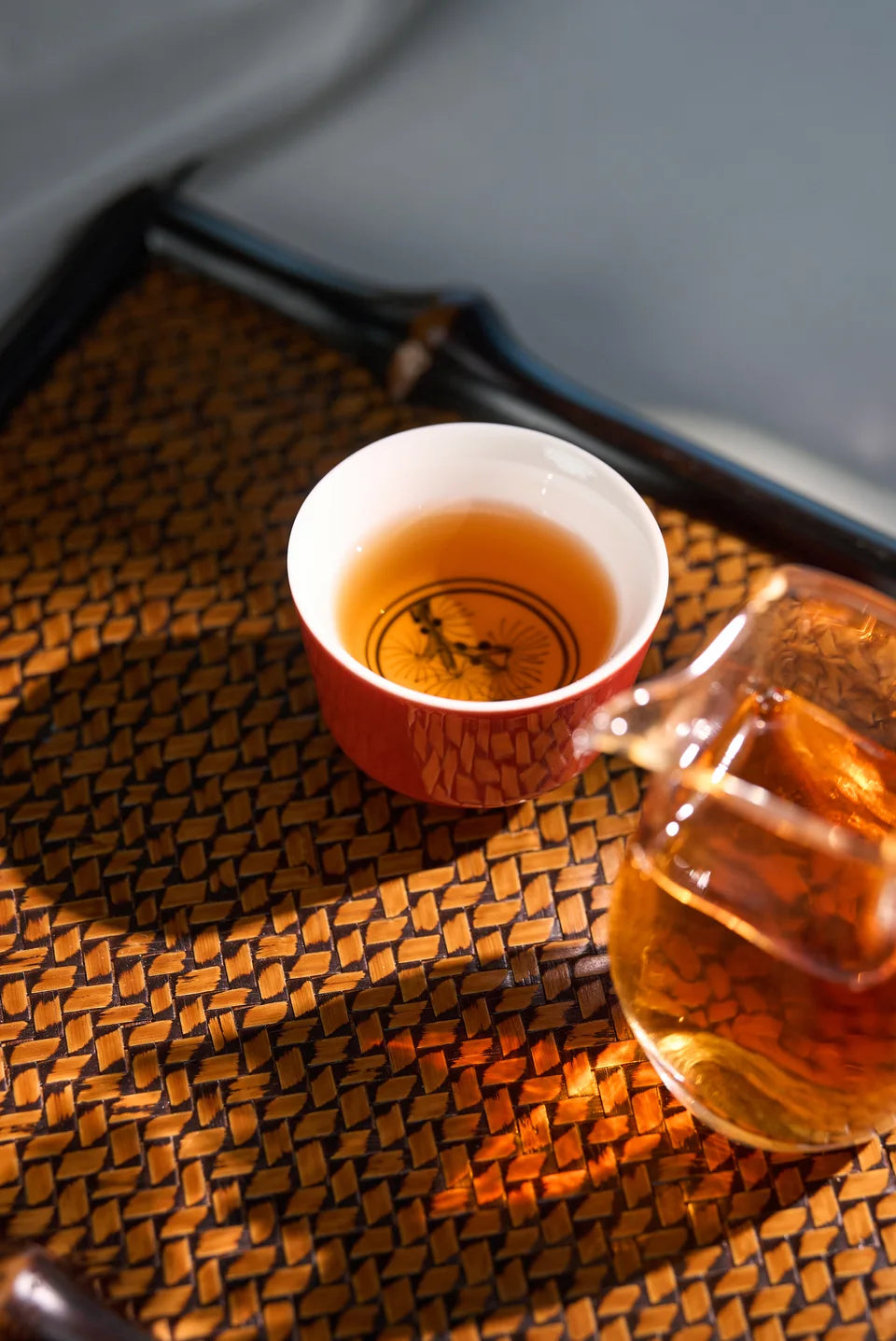
Descriptions of Chinese black tea may mention flowers, fruit, honey-like aromas, malt, or smoke. These are ways to describe a sensory impression; they do not necessarily identify added ingredients. Check the ingredient list when you want to distinguish plain tea from a flavored blend.
Smell the cup first. Then notice whether the liquor feels light, rounded, brisk, or drying. Sweet-smelling aroma and sweetness on the tongue are different observations, so it can help to name them separately.
Taste a second sip after the tea cools a little. A cup that seems simply strong at first may reveal more detail. If bitterness or dryness dominates, try adjusting the brew before deciding that the whole category is not for you.
Choosing Your First Tea
Begin with a preference you can describe. For a smoke-focused comparison, use the tea’s stated processing. For a comparison of regional traditions, choose a Qimen and a Dianhong with clear origin and flavor descriptions. For an interest in finishing methods, compare a sun-dried black tea with another clearly documented black tea.
Choose one or two differences at a time. If origin, cultivar, harvest, leaf grade, and drying method all change together, you can still enjoy the comparison, but you cannot confidently attribute the result to just one of them.
You do not have to add milk or sugar, and you do not have to avoid them. Taste the first cup plain if you want to learn its character, then prepare later cups to your preference. For a tea intended for milk, the supplier’s guidance can help you choose an appropriate strength.
The Sun-Dried Black Tea guide explores one finishing approach. The Feizi Xiao guide offers a closer look at a particular aromatic style.
A Practical Brewing Start
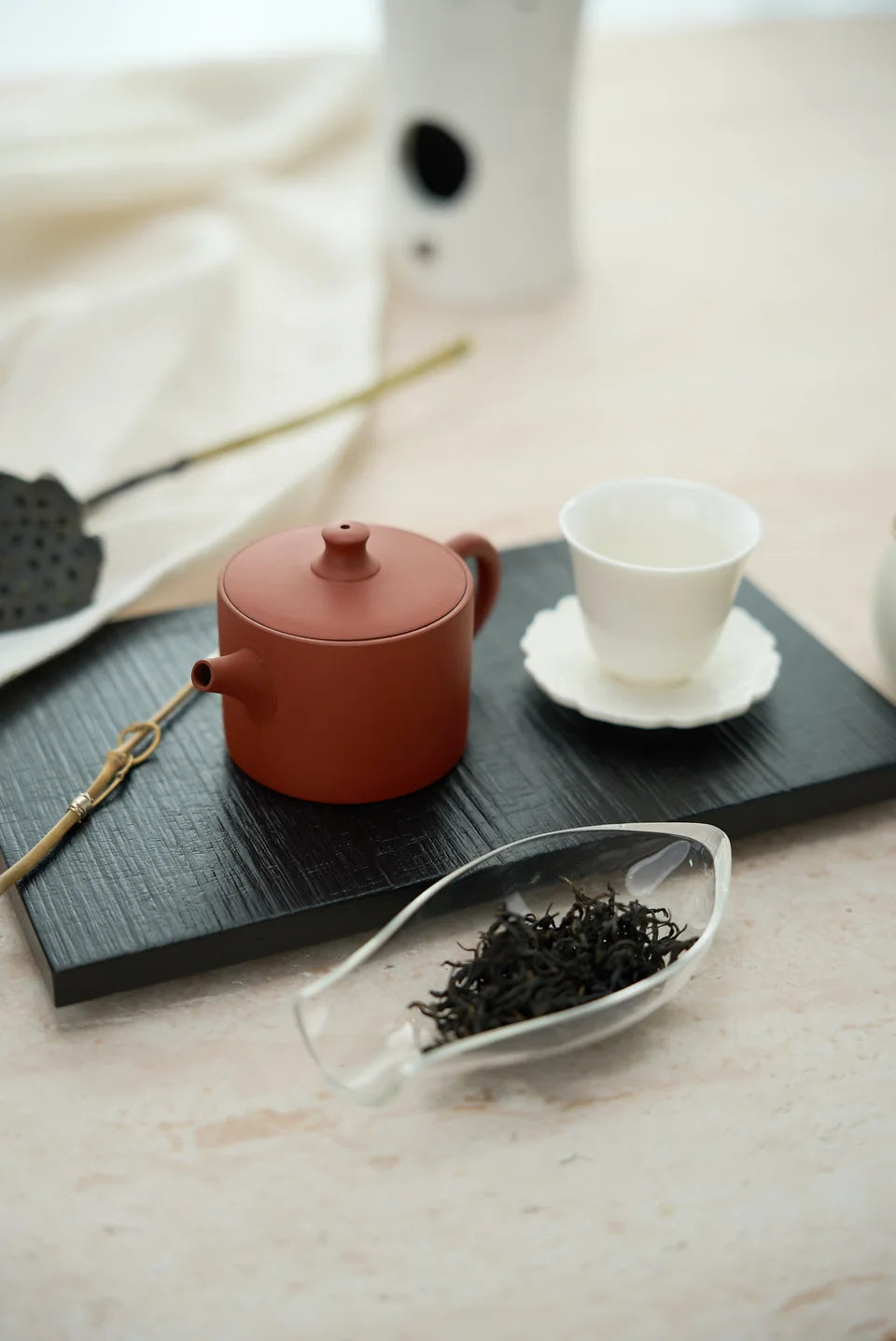
Use the individual tea’s instructions when available. Leaf size, the amount of leaf, and your brewing vessel all affect how quickly a cup becomes strong.
For a whole-leaf Qimen, one possible mug-brewing starting point is:
| Leaf | Water | Temperature | First steep |
|---|---|---|---|
| 2.5 g | 355 ml, about 12 US fl oz | 185°F / 85°C | 2 minutes, then strain |
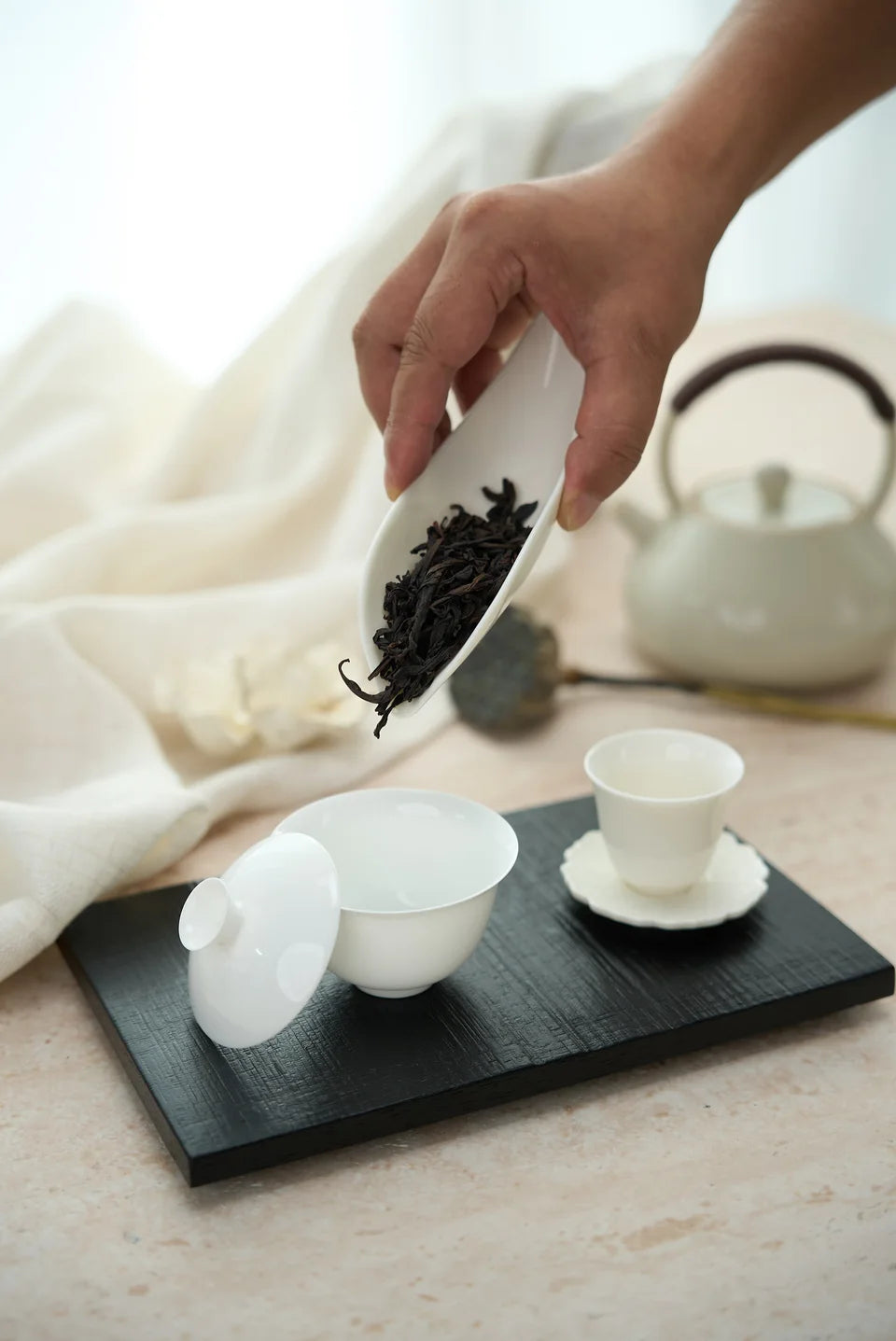
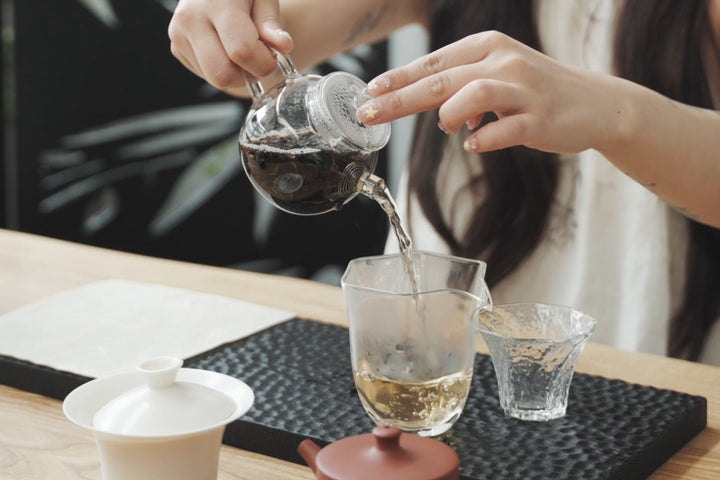
Put the leaves in a spacious infuser or pot. Add the measured water, time the steep, and separate the liquor from the leaves. Taste before changing the next cup.
This is a gentle starting example for a particular tea style, not an upper temperature limit for black tea. Other whole-leaf teas may be prepared with hotter water, and broken leaves may need less time or a different amount. Follow their own guidance.
If the cup is thin, try a longer steep first. If it is too strong or drying, shorten the steep or reduce the leaf amount in the next session. Keep the other conditions steady while making an adjustment. Water can affect the result too, so consider it if the same tea changes noticeably between locations.
For short, repeated infusions, use a recipe suited to that method. A much higher leaf-to-water ratio needs much shorter steeps; a mug recipe cannot simply be moved into a small gaiwan.
Keeping the Tea at Home
Keep dry tea well closed and protected from moisture, strong odors, light, and heat. Store it away from coffee, spices, or scented household products, and follow the package guidance.
The fact that some teas can be stored for years does not make every black tea an aging project. Buy an amount you can use comfortably. Record the opening date if it helps you compare freshness and changes in aroma.
A Simple Way to Share a Comparison
Brew two teas with measured leaf and water, serve them in similar cups, and let each person describe the aroma before sharing the names. This can make the difference between a regional label and an actual sensory preference easier to understand.
You can also repeat the same tea with one change in brewing. Learning what a shorter steep does is useful knowledge, even when you are using an ordinary mug.
Common Questions
Is Chinese red tea different from black tea?
In this context, hong cha and English “black tea” name the same broad category. Dark tea, or hei cha, is the separate category that often causes confusion in translation.
Does every Lapsang Souchong taste smoky?
Smoked and unsmoked production practices exist. Look for explicit information about the tea being offered rather than relying on the English name alone.
Does a darker cup contain more caffeine?
Cup color is not a caffeine measurement. Black tea contains caffeine, but the particular tea and brewing conditions matter more than a simple color or category ranking can show.
Continue Exploring
Follow the specific tea guides to deepen an interest in aroma or drying, or return to Types of Chinese Tea to compare black tea with green, white, oolong, yellow, and dark tea.
If you have a style in mind, browse Yunsho’s current black-tea selection.