



Tea knowledge 黑茶
Chinese Dark Tea
Dark tea brings together distinctive regional making traditions. To explore it well, separate three questions: how the tea was made, how it has been stored, and how it tastes now.
In this guide
What Is Dark Tea?
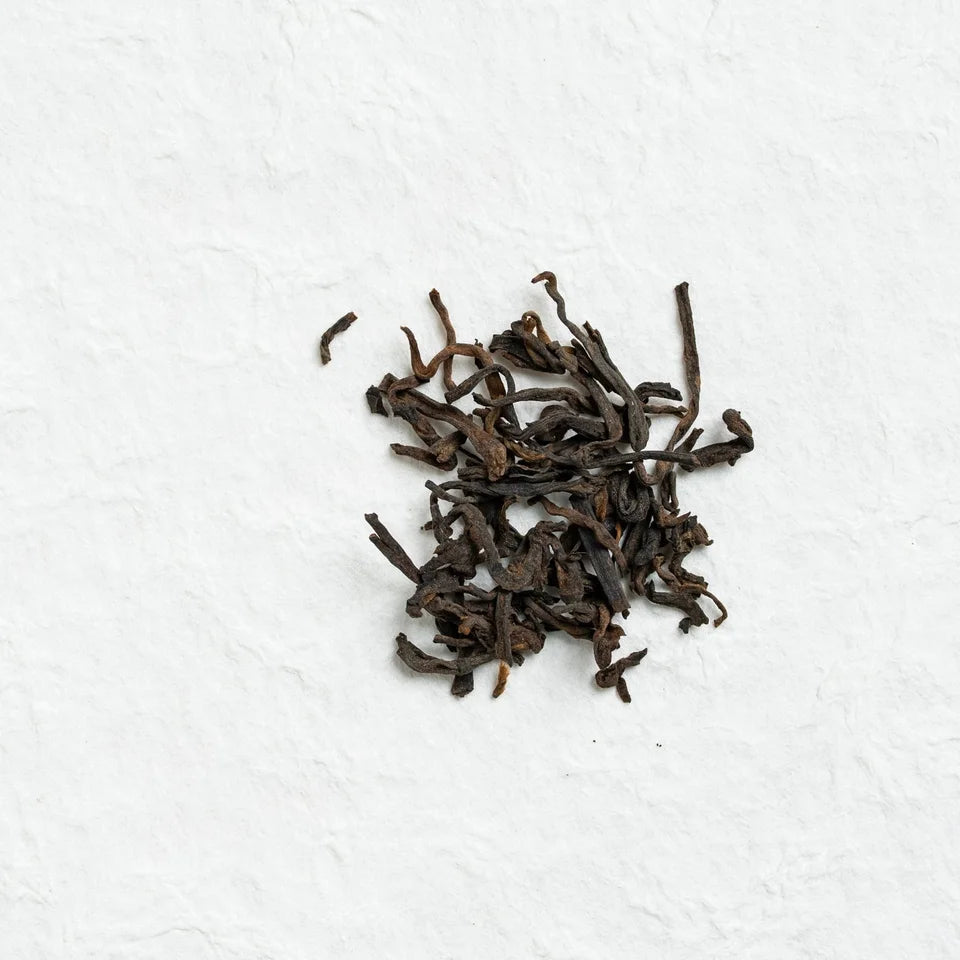
Chinese dark tea, or hei cha, is associated with microbial post-fermentation. It is different from the tea called black tea in English, which is hong cha in Chinese and develops its character largely through oxidation during making.
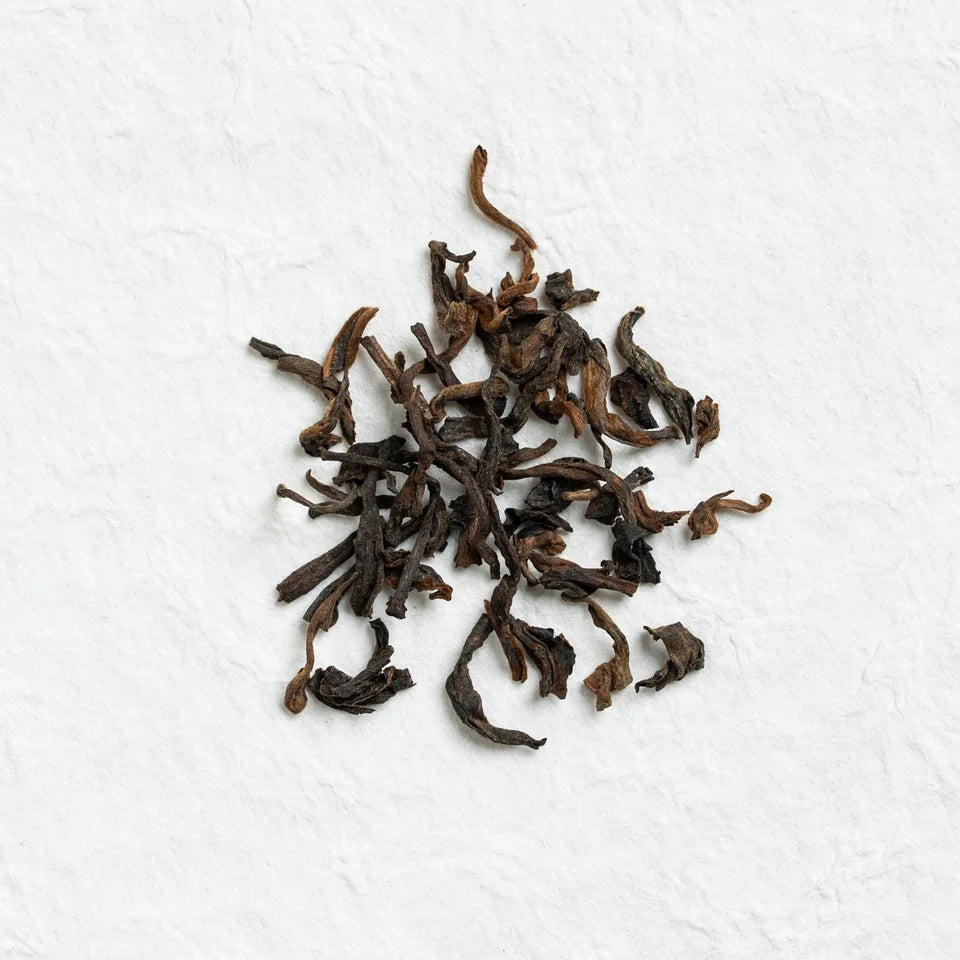
This distinction is about processing, rather than simply dark leaves or dark liquor. Black tea, roasted oolong, and ripe Pu-erh can all make a deep-colored cup without belonging to the same production category.
Dark-tea making is not one universal recipe. Initial processing, later fermentation treatments, compression, and storage differ between regional traditions. Understanding a particular tea means asking which of these steps it actually received.
A Regional Map
Pu-erh and Liubao are useful starting points, but they do not describe the whole field. These examples introduce important regional branches.
| Family or style | Region to know | A useful distinction |
|---|---|---|
| Anhua dark tea, including Qianliang | Hunan | Initial dark-tea making and later processing can be separate stages; Qianliang has a distinctive compressed form. |
| Fu brick tea, or Fuzhuan | Hunan and other producing traditions | Controlled fungal development called fa hua is an important feature of this style; it is not a feature of every dark tea. |
| Qingzhuan, or green brick tea | Hubei | A dark-tea brick tradition. “Green brick” is a style name, not proof that the finished tea is ordinary green tea. |
| Southern-route border tea | Ya'an, Sichuan | A regional tradition connected with Tibetan tea consumption, including preparation in butter tea. |
| Liubao | Guangxi | Traditional and modern processing routes need to be distinguished; the name alone does not explain every fermentation treatment. |
| Ripe Pu-erh, or shu | Yunnan | Made using a managed pile-fermentation process, distinct from raw Pu-erh. |
A brick is a shape, not a category. The Zhaoliqiao making tradition in Hubei, for example, includes green brick tea and a separate mi zhuan brick made with black-tea material. A tea can also be sold loose, in a cake, or in another pressed form. Start with its material and processing description.
Where Raw and Ripe Pu-erh Fit
Pu-erh is commonly presented as a family containing raw, or sheng, and ripe, or shu, tea. Both are connected with Yunnan sun-dried green-tea material, often called shaiqing maocha.
Ripe Pu-erh undergoes managed pile fermentation. Raw Pu-erh does not receive that same ripe-tea processing step. Raw tea can change during storage, but simply keeping it for years does not reproduce the making of ripe tea.
This is why classification needs context. Ripe Pu-erh fits the microbial post-fermentation idea used to explain dark tea. Raw Pu-erh is often sold beside it under the Pu-erh family, while its placement within a six-category processing system requires a separate explanation. Young raw tea should not automatically be described as already having undergone ripe-style fermentation.
For a shopper, the useful questions are direct: Is it raw or ripe? What is the production year? What is known about its storage? Those answers tell you more than a broad claim that all Pu-erh is the same type of fermented tea.
Making, Fermentation, and Storage
In a dark-tea tradition, the initial leaf processing may already include a piling stage. Later refinement can add other treatments, and compression may occur at a different point. The sequence depends on the tea.
Modern Liubao offers a useful example. Documented factory practice includes cold-water piling, steaming, pressing, and subsequent aging. That route should not be copied onto every tea described as traditionally made or farmhouse Liubao.
Storage is another part of a tea’s history. The same production year does not mean the same storage conditions, and a warehouse label alone may leave important details unanswered. Age is useful information when it comes with a clear account of the tea.
What About the “Golden Flowers”?
Some Fu brick teas develop visible golden-colored fungal structures during the controlled fa hua process. That is a specific production feature, not a requirement for all dark tea.
A reader should not use color alone to identify microorganisms or to decide that an unexplained growth is an intended feature. The useful information comes from the tea’s documented identity, making, and storage—not a promise that anything yellow on a brick is desirable.
For the same reason, “fermented” does not mean any storage condition is acceptable. Do not treat an unknown musty smell or unexpected growth as evidence that a tea has matured well.
What to Notice in the Cup
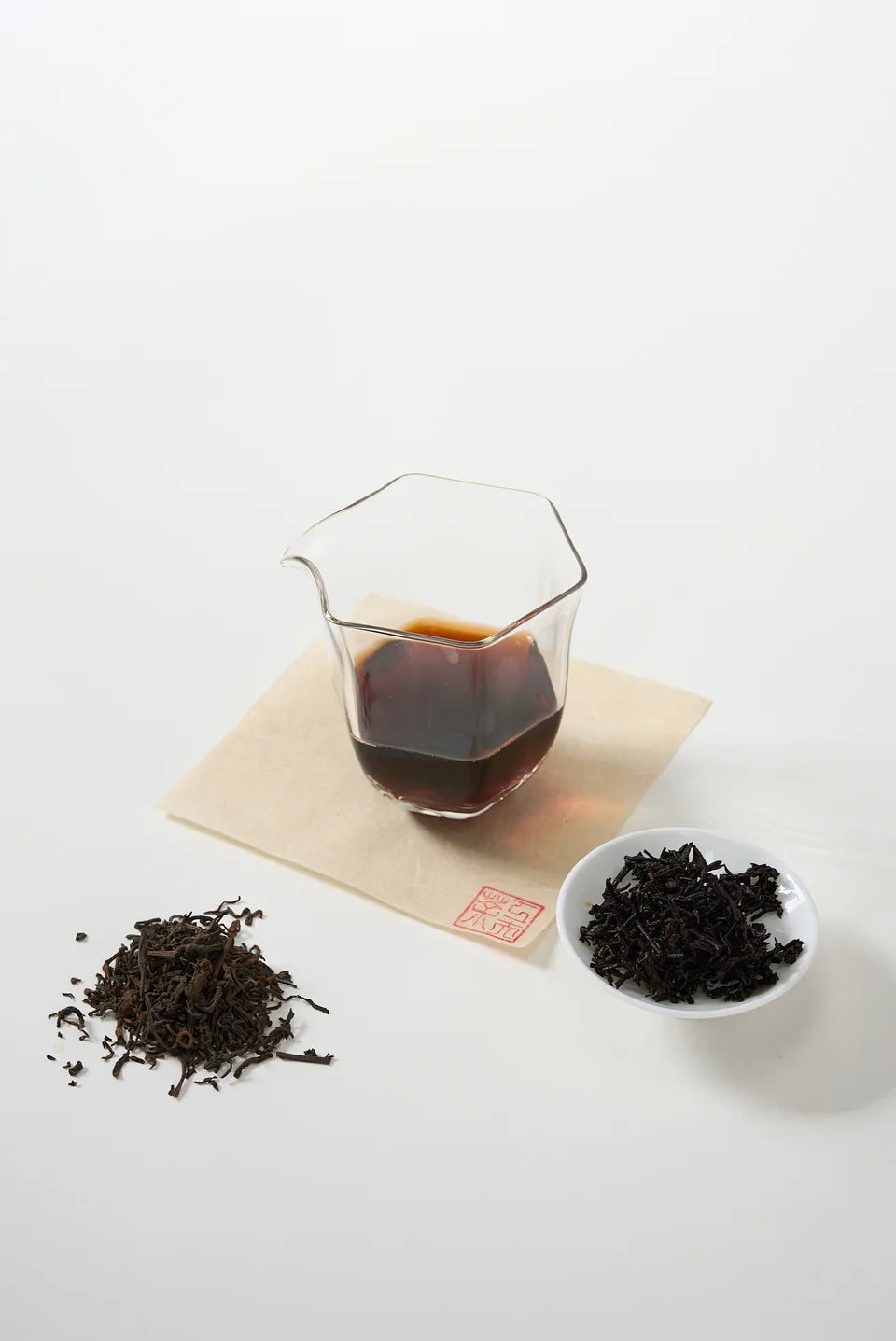
Descriptions may mention wood, earth, sweetness, or a rounded texture. The range varies with the tea and its history, and raw Pu-erh can present a very different cup from ripe Pu-erh or Liubao.
Separate aroma, taste, and texture. Is the aroma clear and distinct, or difficult to describe? Does the liquor feel light, dense, smooth, or drying? Does the finish change as the cup cools? A darker color is not automatically a fuller body or better tea.
If you are comparing teas, record the brewing conditions as well as the names. A densely compressed piece can open differently from loose leaf. A long steep can also make two otherwise different teas seem dominated by strength.
Choosing a First Tea
Start with a clearly described tea and a manageable amount. If you want to understand the difference between raw and ripe Pu-erh, choose one of each with straightforward production and storage information. If your interest is regional craft, compare a Liubao with a Hunan style.
For an aged tea, ask what the seller can actually document. A production date is not the same as a complete storage history, and a story about age cannot replace the condition and taste of the tea.
The Raw Pu-erh guide, Ripe Pu-erh guide, and Farmhouse Liubao guide offer specific examples within this wider picture.
How to Start Brewing
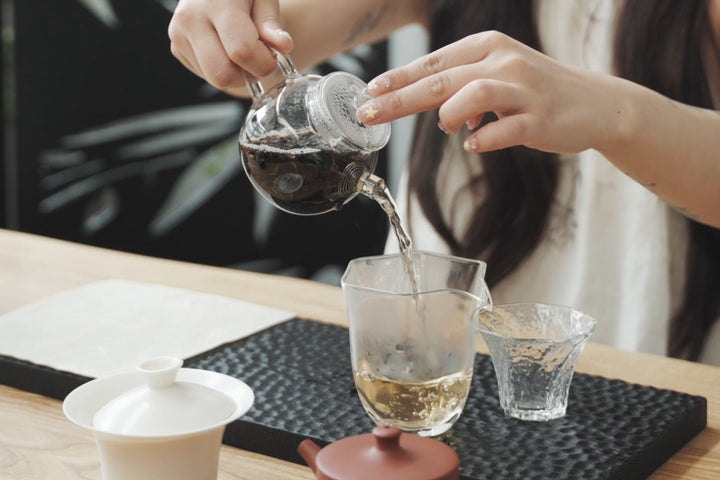
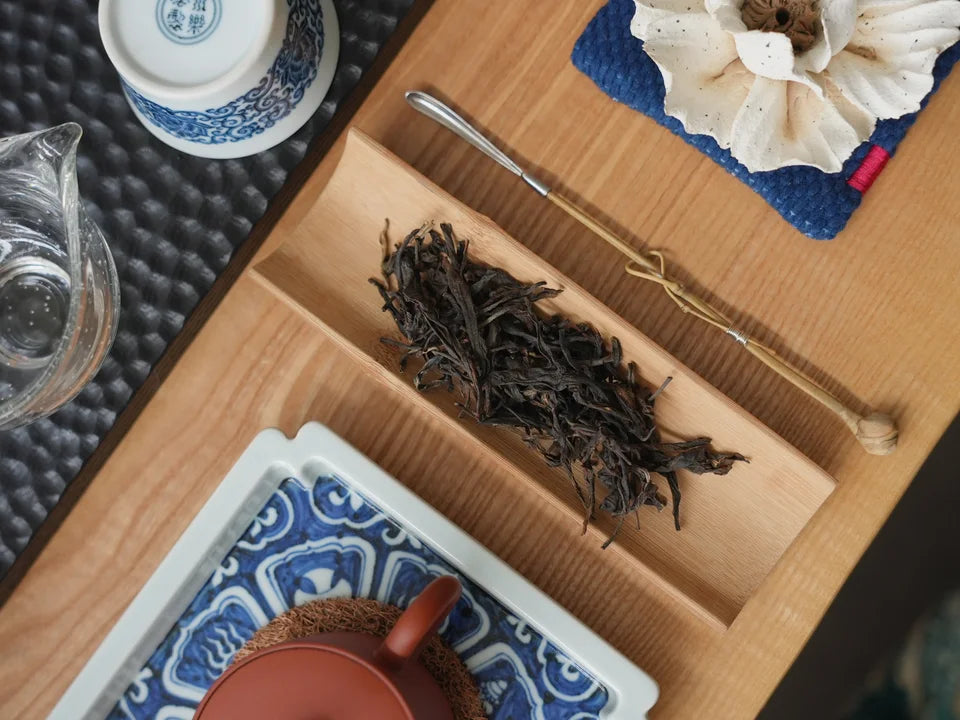
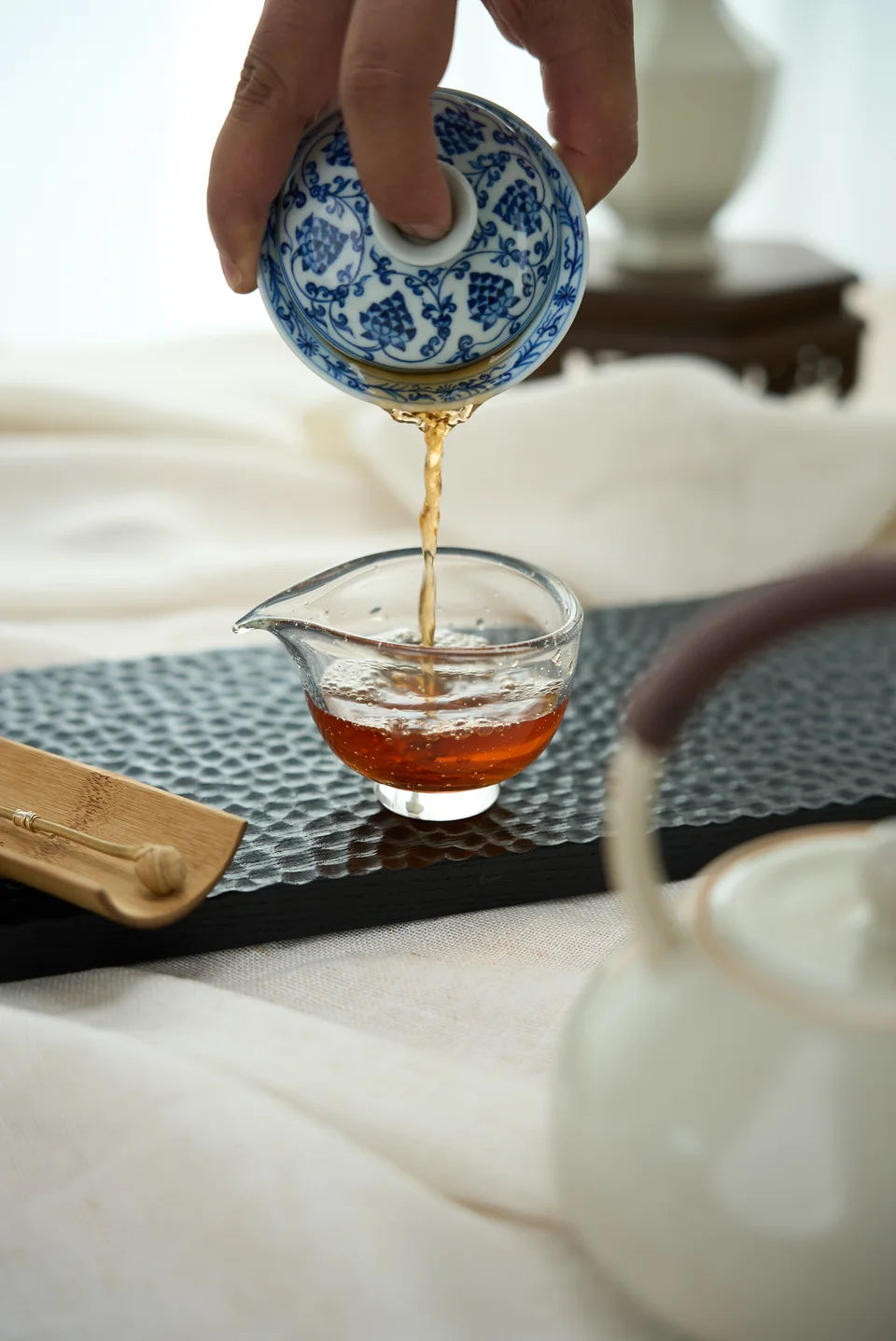
You can begin with a mug or small pot and a removable infuser. A gaiwan, a Chinese lidded brewing bowl, is useful for short, separate infusions. Use the instructions for your particular tea, especially when moving between raw Pu-erh and post-fermented styles.
For loose Liubao, these are two possible starting setups:
| Method | Leaf and water | Water temperature | First steep |
|---|---|---|---|
| Mug or small pot | 3 g in 250 ml, about 8.5 US fl oz | Boiling water, about 212°F / 100°C at sea level | 3 minutes, then strain |
| Short, repeated infusions | 5 g in 100 ml | Boiling water | 10 seconds, then pour out completely |
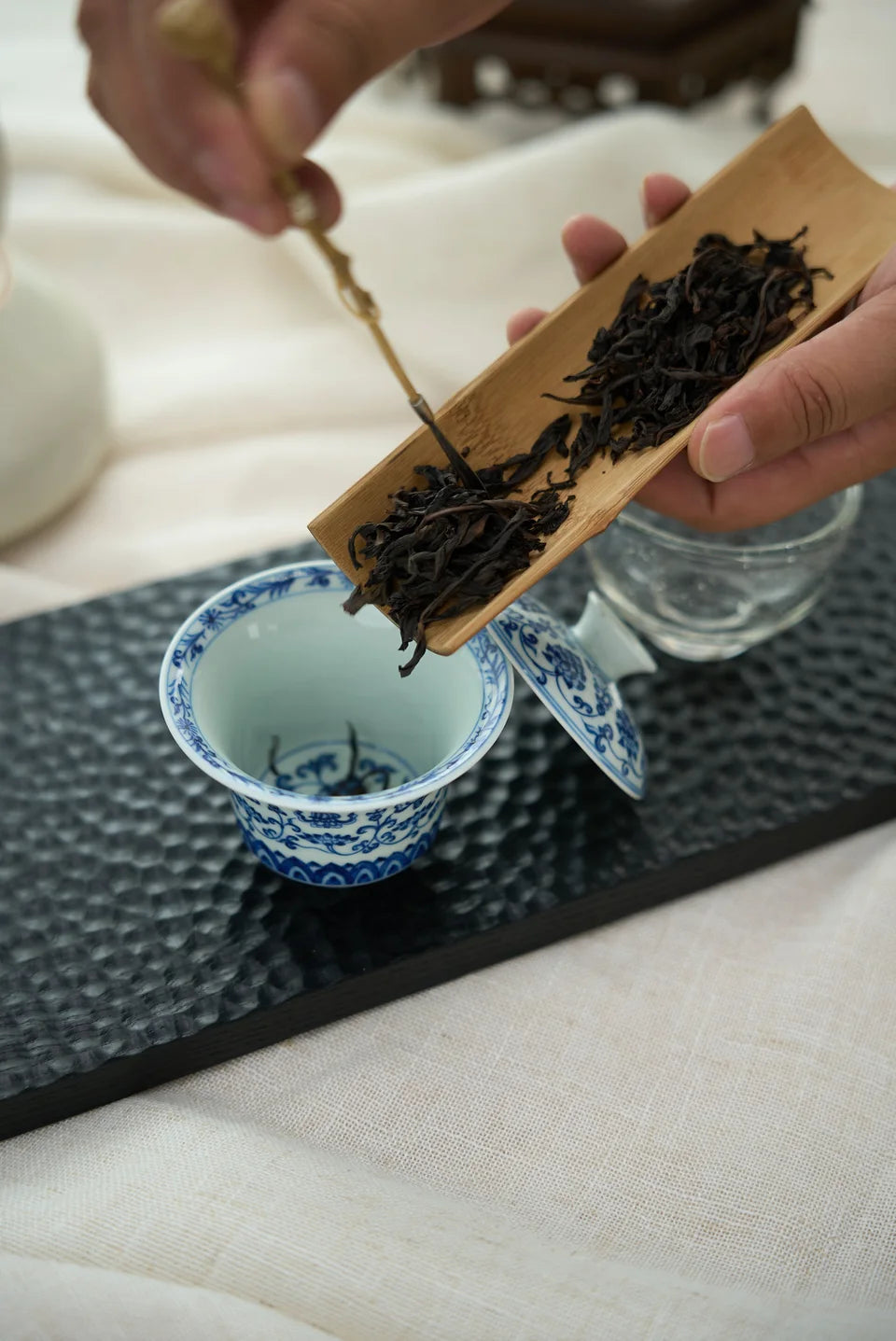
These methods use different ratios. Keep the short time with the higher leaf concentration, rather than combining it with the long mug steep.
For compressed tea, use a suitable tea tool to ease off a portion at an edge or seam, keeping the point directed away from your hand. Weigh the portion instead of judging by the size of the chunk. Follow that tea’s brewing guidance; the loose-Liubao example is not a recipe for every brick or cake.
Pour out the liquor fully between infusions. If the cup is too strong, shorten the steep; if it is light, extend it gradually. A rinse is not a way to repair questionable tea or establish that it is suitable to drink.
Keeping Dark Tea at Home
Choose a dry, clean place without strong odors, direct sun, or excessive heat, and follow the supplier’s packaging guidance. Protect the tea from accidental moisture and from nearby spices, perfume, or household smells.
Do not add humidity simply because a tea is described as suitable for aging. Professional storage conditions and an ordinary home cupboard are different settings. If you want to study change over time, begin by recording the tea, its packaging, and the actual conditions you can observe.
Storage can change tea without improving it. There is no universal number of years at which every dark tea becomes better.
Tea in Different Everyday Settings
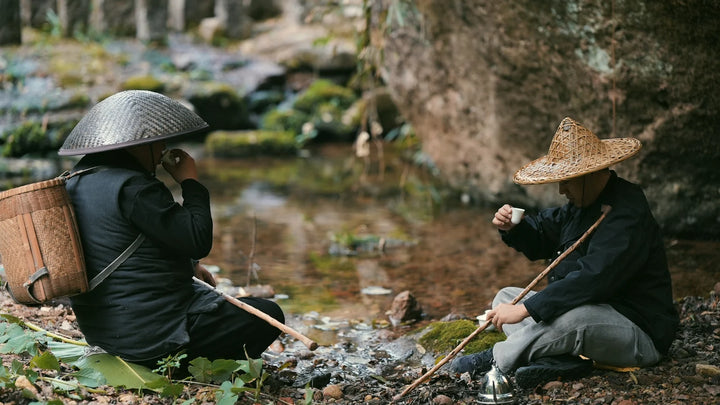
Dark-tea traditions include different forms of drinking and sharing, rather than one required ceremony. Sichuan border tea has a connection with Tibetan butter-tea preparation; a small pot of Liubao offers another way to experience a regional tea.
At home, a simple comparison can be enough: use the same cups, note how the leaves open, and discuss the aroma and texture. Keep the regional context while allowing your own practical way of drinking.
Common Questions
Is all Pu-erh ripe tea?
No. Raw and ripe are distinct processing routes within the Pu-erh family. Aging raw tea does not make its production history the same as ripe tea.
Does all dark tea have golden flowers?
No. Fa hua is associated with particular styles, notably Fu brick tea. Its appearance is not a universal marker of dark-tea quality.
Is older always better?
Age alone does not establish quality. Raw material, making, storage, and the tea’s present condition all matter.
Is dark tea caffeine-free?
No. Dark tea contains caffeine; fermentation and a dark-colored cup do not establish a fixed caffeine amount.
Continue Exploring
Choose a particular regional tradition or compare raw and ripe Pu-erh through the guides above. For the wider framework, return to Types of Chinese Tea.
To compare the teas currently offered, browse Yunsho’s Pu-erh and Liubao selection. This selection represents part of the wider field described here.