


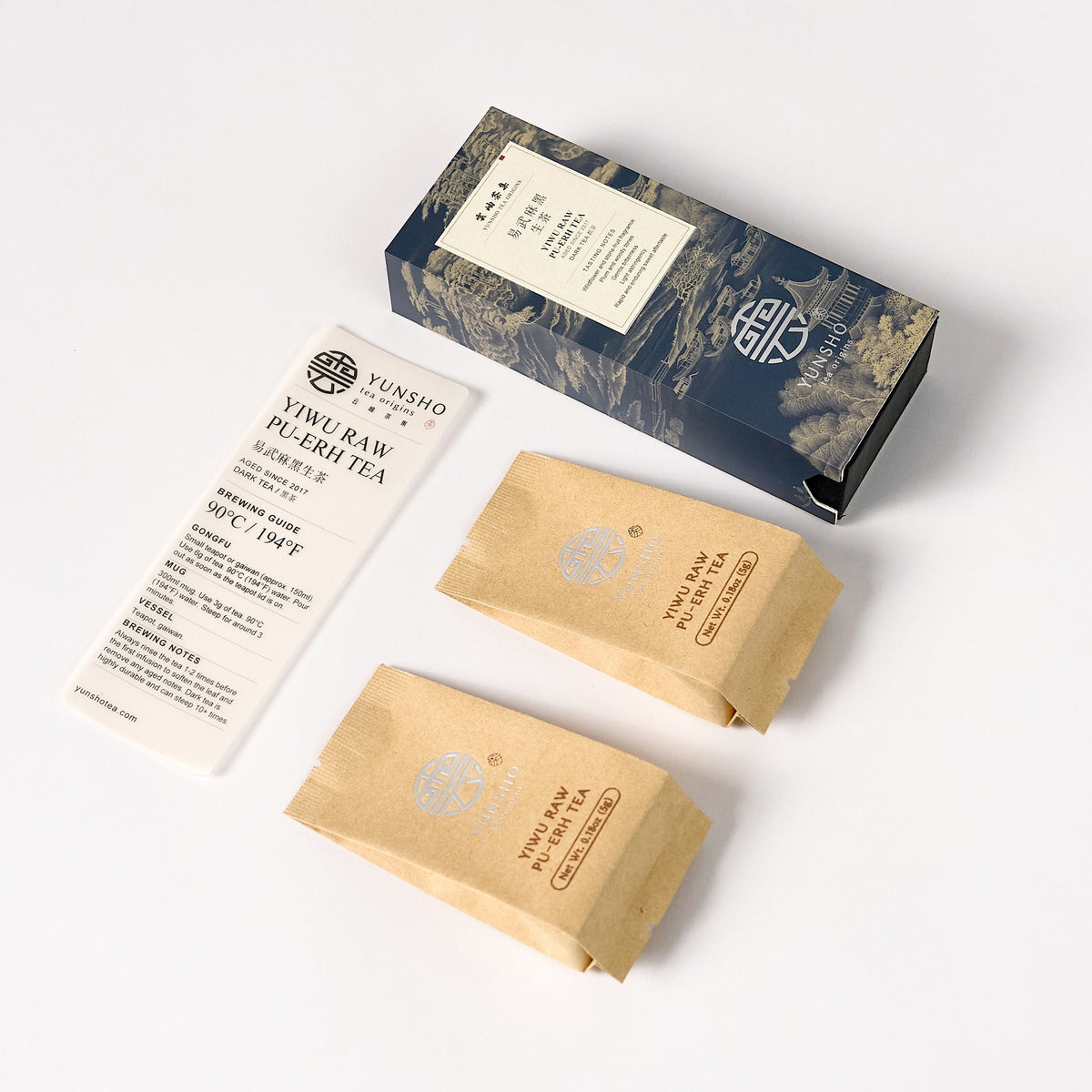
yiwu raw pu erh tea Tasting Pack with visual references to its tasting notes
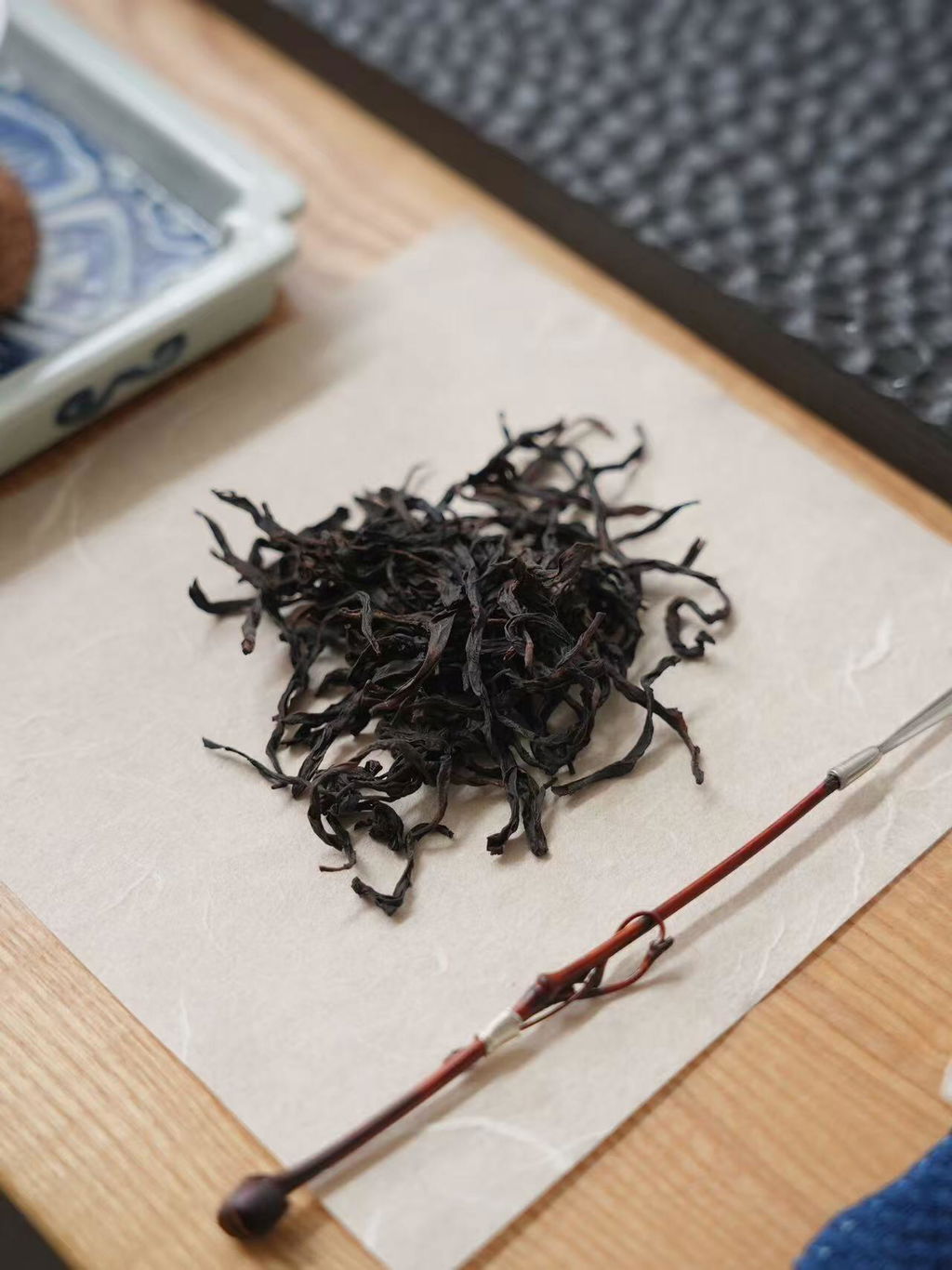
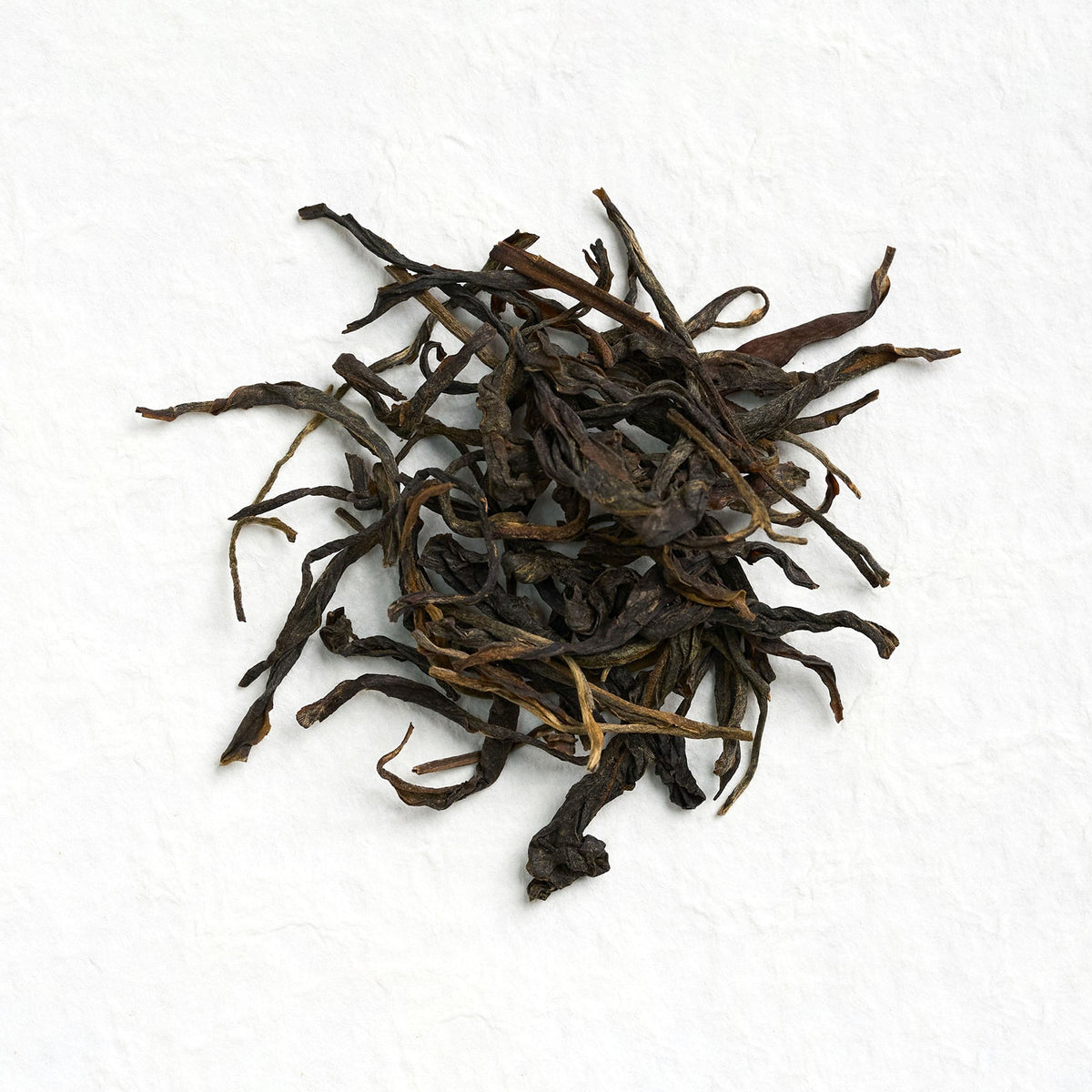
Dry loose leaves of Yiwu Raw Pu-erh Tea
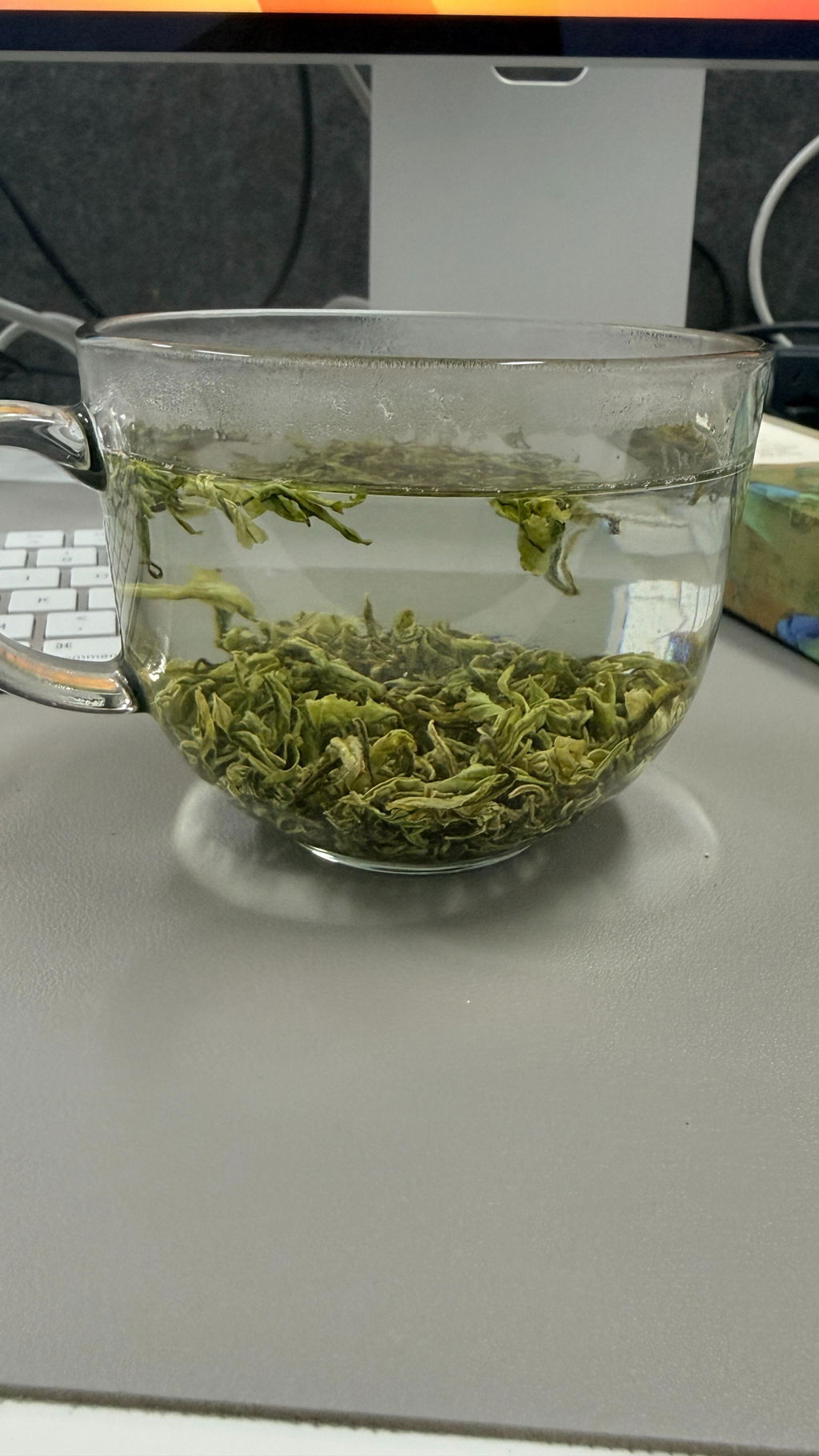
Brewed tea liquor of Yiwu Raw Pu-erh Tea
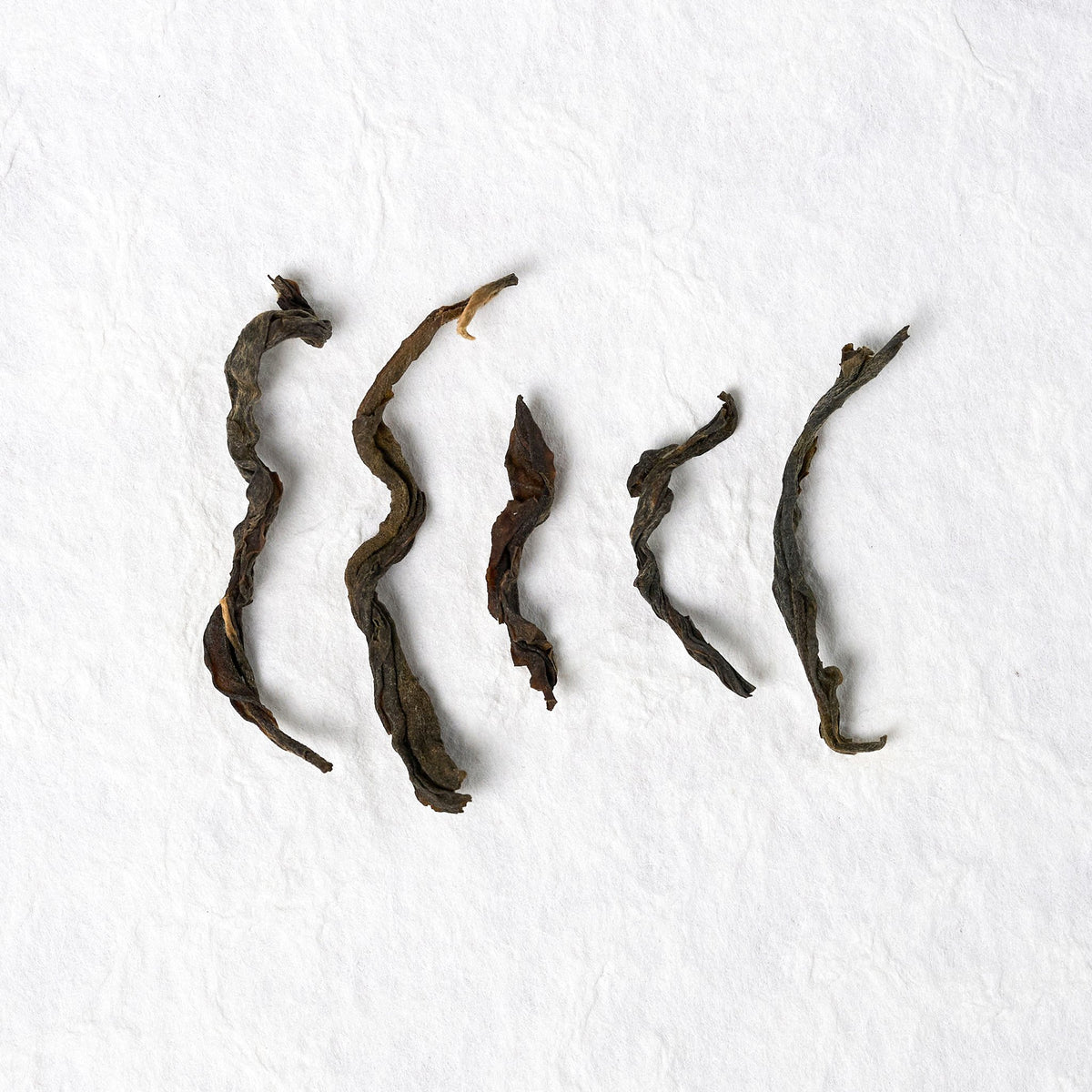
Close-up of Yiwu Raw Pu-erh Tea loose tea leaves
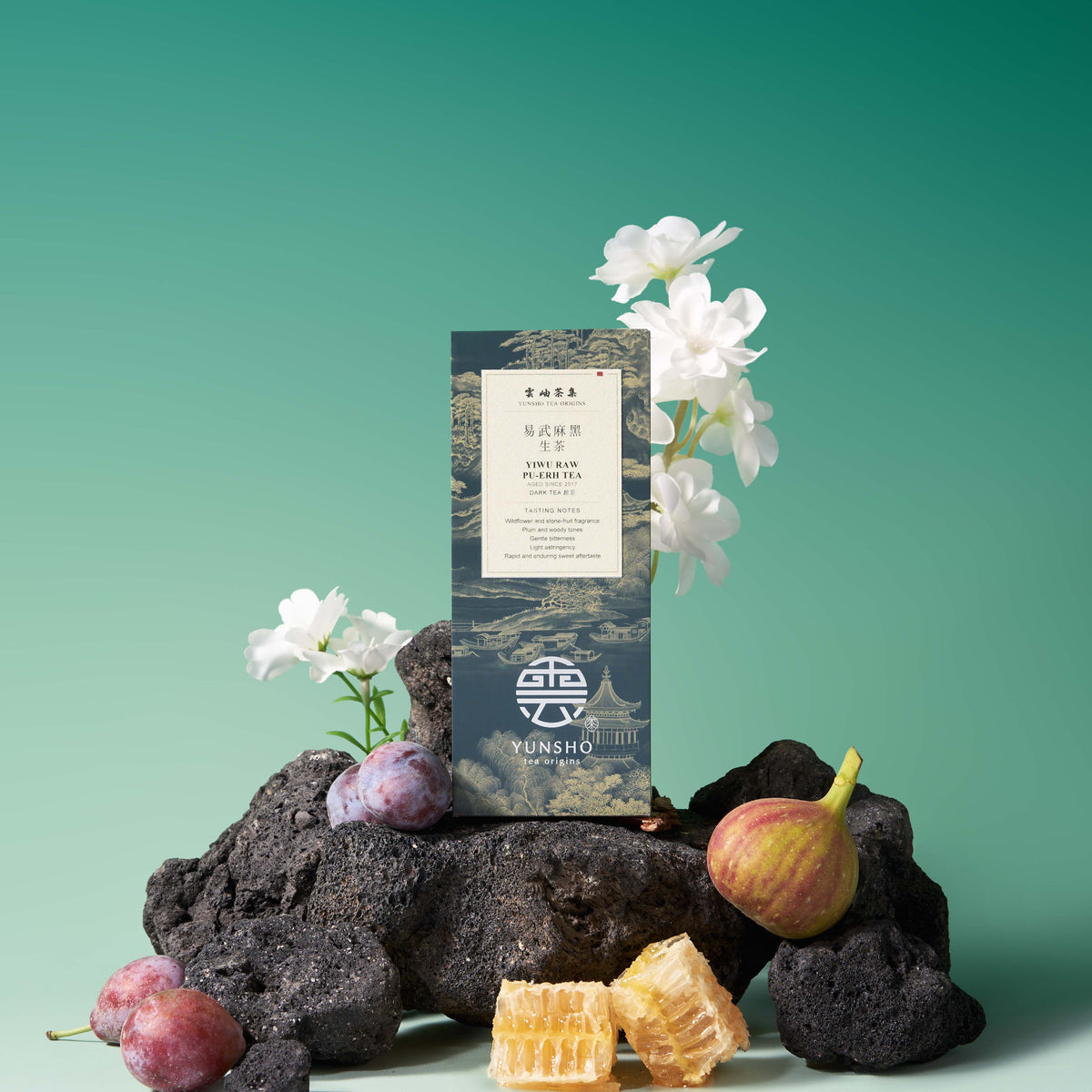
Yiwu Raw Pu-erh Tea tasting pack with 2 individually wrapped tea pouches

Pu-erh Tea

Yiwu Raw Pu-erh Tea

Yiwu · Xishuangbanna, Yunnan

5.0 (4 reviews)
$9.80

Wildflowers · Ripe Plum · Sweet Finish

A lively raw pu-erh with wildflower and ripe-plum notes, gentle woody depth, and sweetness that returns quickly.

Caffeine level: MediumCompared with regular coffee.

10 g · 2 pouches × 5 g

$4.90 per pouch

Enjoy 5 infusions per pouch (150 ml each).

Ships in 1–3 business days.

Free U.S. shipping on $49+ · $5.90 below $49

Tea profile

Dark plums on a leafy branch; a visual tasting reference
A fragrant plum note.
Stacked cut wood; a visual tasting reference
A woody note beneath the brightness.
Dark and pale liquid swirling together; a visual tasting reference
A gentle bitterness balanced by sweetness.

Fragrant plum and woody notes meet a gentle bitter edge.

Tasting profile chart for Yiwu Raw Pu-erh Tea

Tasting Profile

Wildflowers, stone fruit, and ripe plum give the cup a bright opening over soft woody depth. A hint of bitterness and a light drying feel quickly give way to a long, sweet finish.

Naturally in the Leaf

Raw Pu-erh retains familiar tea-leaf compounds alongside the natural caffeine found in tea.

CATECHINS — These tea-leaf polyphenols are retained in raw Pu-erh, studied for antioxidant activity.

L-THEANINE — A naturally occurring tea amino acid, studied alongside caffeine for its role in attention and alertness.

CAFFEINE — A natural stimulant in tea that can help you feel more alert.

Origin

Rooted in Place

Yiwu Raw Pu-erh Tea regional origin map

Yiwu · Xishuangbanna, Yunnan

A Place with History

Yiwu was a major tea center among Yunnan’s historic Six Tea Mountains. Old tea roads and surviving tea houses tell the story of leaves gathered here and carried outward for generations, giving Yiwu a lasting place in Pu-erh history.

Tea plants growing beneath taller trees
Tea plants growing beneath taller trees.
A spreading tree among surrounding foliage
A spreading tree among surrounding foliage.
A village sign set into a stone wall
A village sign beside a stone pathway.

Tea plants beneath taller trees, a spreading tree canopy, and a village sign by a stone path.

Yiwu · Xishuangbanna, Yunnan

Growing Environment

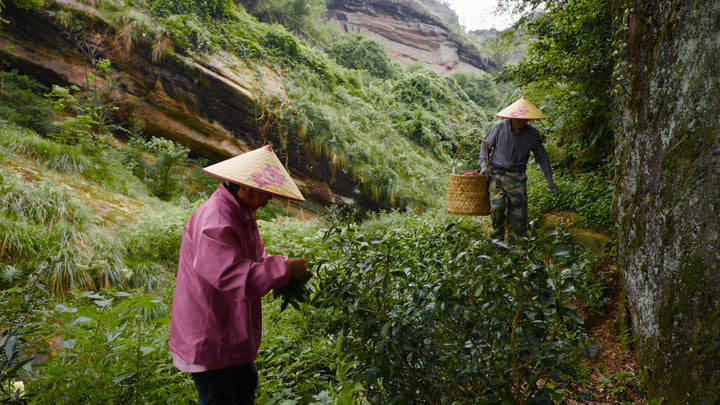
Yiwu’s forested hills rise through a warm, humid climate with generous rainfall. This varied mountain environment supports tea growth across the region and provides the fresh leaf from which raw Pu-erh begins.

Rooted in Place

A Local Tea Tradition

Yiwu was a major tea center among Yunnan’s historic Six Tea Mountains. Old tea roads and surviving tea houses tell the story of leaves gathered here and carried outward for generations, giving Yiwu a lasting place in Pu-erh history.

Growing Environment

Yiwu’s forested hills rise through a warm, humid climate with generous rainfall. This varied mountain environment supports tea growth across the region and provides the fresh leaf from which raw Pu-erh begins.

Tea plants growing beneath taller trees
Tea plants growing beneath taller trees.
A spreading tree among surrounding foliage
A spreading tree among surrounding foliage.
A village sign set into a stone wall
A village sign beside a stone pathway.

Tea plants beneath taller trees, a spreading tree canopy, and a village sign by a stone path.

Pu-erh tea

Brewing guide

in chinese gongfu way

Brewing Guide

Quality leaves and traditional craftsmanship let you enjoy more from every pouch. Brew each pouch of Yiwu Raw Pu-erh 5 times, using 150 ml of water for each infusion.

QUICK BREWING REFERENCE

  1. 01

    ADD THE TEA

    Use one pouch in a gaiwan or small teapot.

  2. 02

    ADD THE WATER

    Pour in 150 ml at 212°F / 100°C.

  3. 03

    STEEP & POUR

    Steep for about 20 seconds, then pour out completely.

Lengthen later steeps gradually, adjusting to taste.

    View step-by-step brewing

      Frequently Asked Questions

      What is raw Pu-erh tea?

      Raw Pu-erh is made from sun-dried Yunnan tea leaves. It is not put through the moist pile fermentation used for ripe Pu-erh.

      What does Yiwu Raw Pu-erh taste like?

      Look for wildflowers, stone fruit and ripe plum, gentle bitterness and light astringency, then a quick, lingering return of sweetness.

      How should I brew it?

      Use one pouch in a gaiwan or small teapot. Brew 5 infusions from the same leaves, using 150 ml of water at 212°F / 100°C each time. Start with about 20 seconds, pour out completely, and lengthen later steeps to taste.

      How should I store this tea?

      Keep it sealed in a cool, dry, odor-free place, away from heat, humidity, and direct sunlight.

      What does my chosen pack contain?

      Tasting Pack contains 2 individually wrapped 5 g pouches, for 10 g of tea. Use one pouch per gongfu brewing session and enjoy several infusions from the same leaves.

      Reviews

      Customer Reviews

      From the Yunsho Tea Community

      Experiences shared by customers across our tea collection.

      Reviewed: Wild Forest Sun-Dried Black Tea

      Ripe fruit, a little honey warmth. This is very much my kind of morning tea. No milk needed.

      Nathan

      Customer photo of Wild Forest Sun-Dried Black Tea

      Reviewed: Anji Bai Cha Green Tea

      Nice with a simple lunch. The fresh, savory taste works well alongside rice and vegetables.

      Andrews

      Customer photo of Anji Bai Cha Green Tea
      Dry loose leaves of Yiwu Raw Pu-erh Tea

      Get to Know Yiwu Raw Pu-erh

      Explore Yiwu and Mahei’s regional tea story, follow the making of raw pu-erh, and learn what to notice in its texture and returning sweetness.

      • The tea’s origin and local traditions
      • How the leaves are crafted
      • What to notice in your cup